文化篇。論十二生肖(II) 12 Chinese Zodiac (2)
欽定協紀辨方書。三十六卷。第一冊
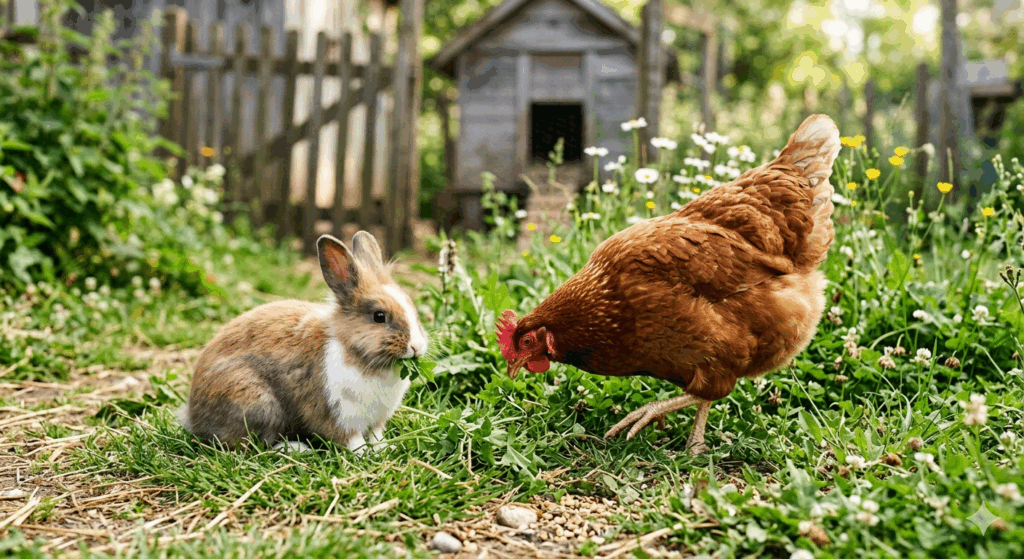
卯酉為日月之門。二肖皆一竅兔舐雄毛。則孕感而不交也。雞合踏而無形。交而不感也。
辰巳陽起而變化。龍為盛。蛇次之。故龍蛇配辰巳。龍蛇者變化之物也。
戌亥陰斂而持守。狗為盛。豬次之。故狗豬配戌亥。狗豬者。鎮靜之物也。
Mao wood and You metal are two directions where the sun and the moon come out. They refer to rabbit and rooster.
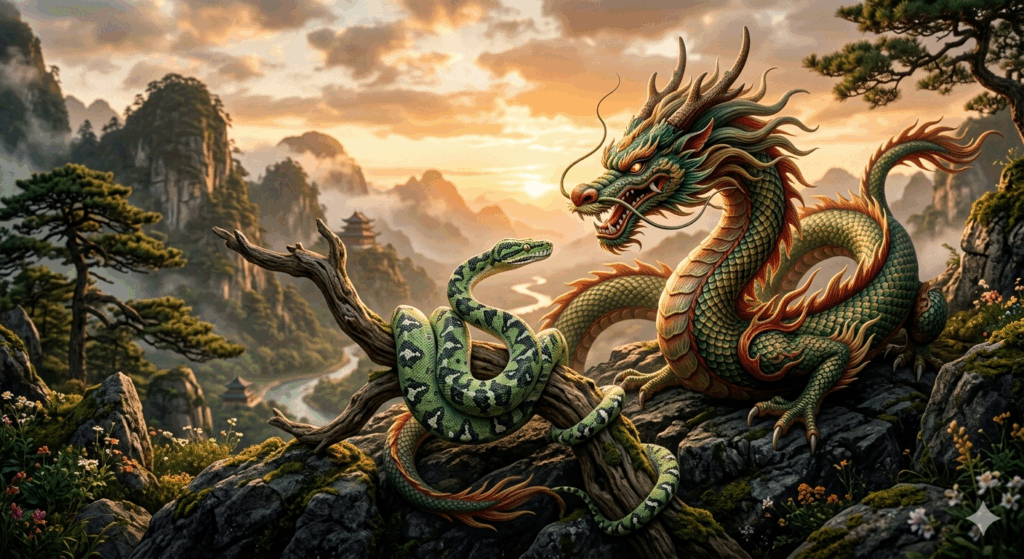
Chen earth and Si fire refer to dragon and snake. To ancient thinking, they stand for changing and unstable status. Dragon exceeds snake as counting the non-stable feature.
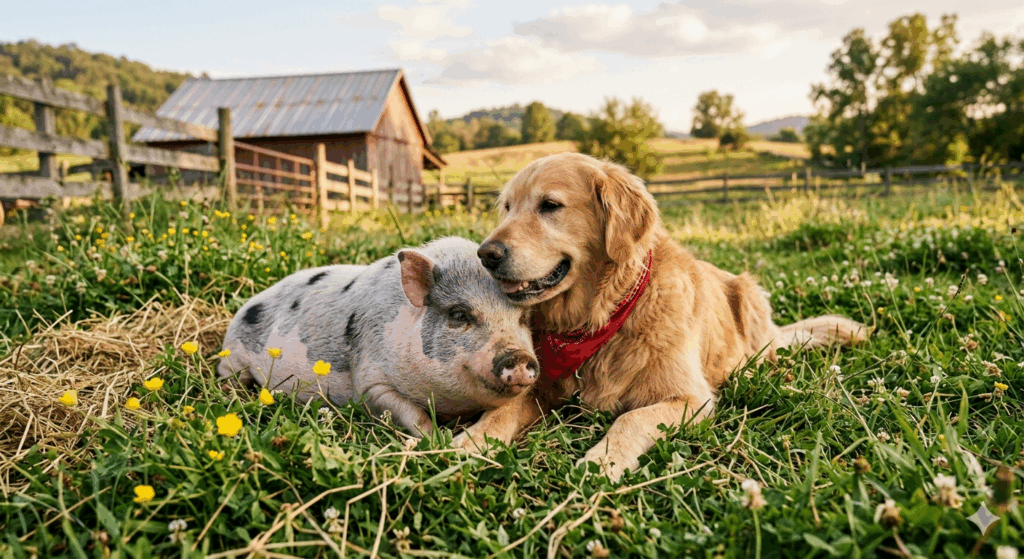
Xu earth and Hai water are both with introvert feature and quiet. They are corresponding to Dog and Pig in chinese zodiac.
文化篇。論十二生肖(I) 12 Chinese Zodiac (1)
欽定協紀辨方書。三十六卷。第一冊
蠡海集曰。
十二肖屬。
子為陰。極幽潛隱晦。以鼠配之藏鼠跡。
午為陽極。顯易剛健。以馬配之馬快行。
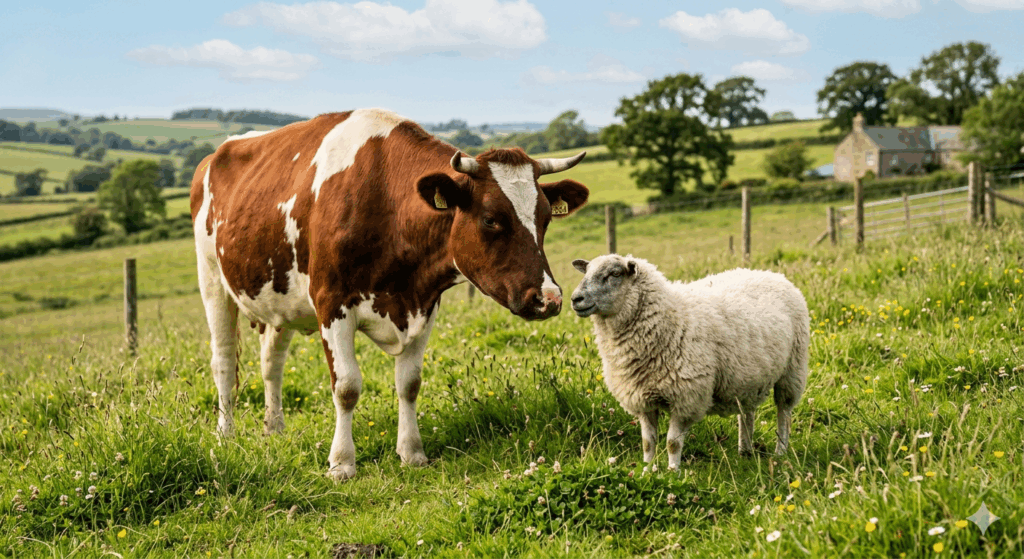
丑為陰。俯而慈愛。以牛配牛舐犢。
未為陽。仰而秉禮。以羊配之羊跪乳。
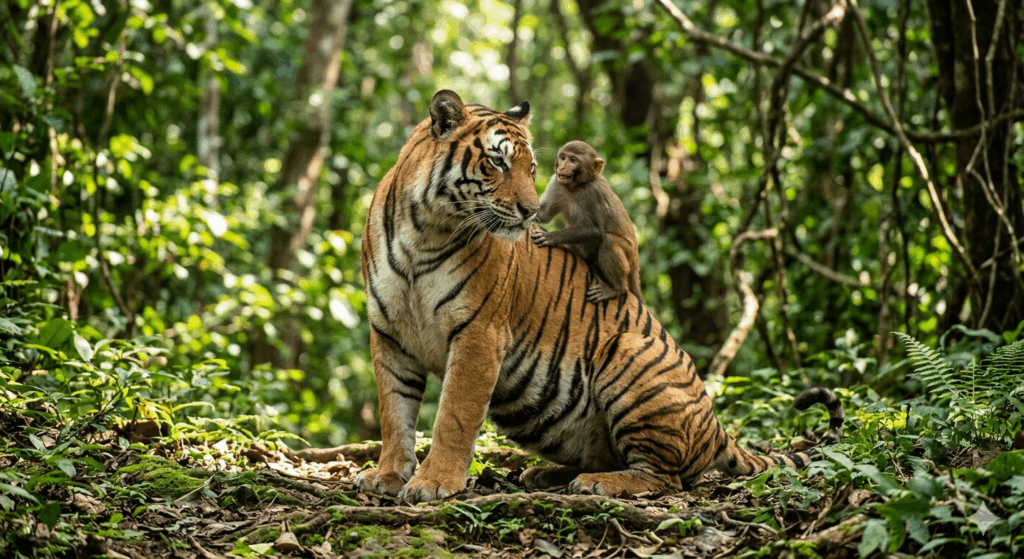
寅為三陽。陽勝則暴。以虎配之虎性暴。
申為三陰。陰勝則黠。以猴配之猴性黠。
This is the first half of this post. The flow of the explanation is based on the destruction modes of the twelve earthly branches.
Zi water yin mode and is Rat zodiac, since the nature of Rat is living in the darkest place and hiding all the time.
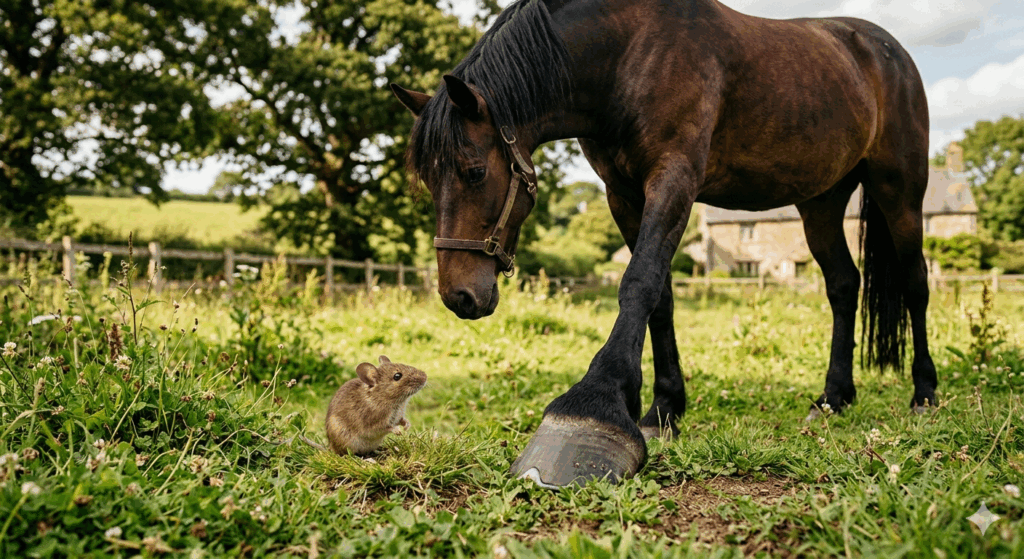
Wu first is the extreme yang mode. It refers to horse. The nature of horse is fast and very strong, so it matches with Wu fire.
Chou earth is yin mode and is Cow zodiac. Cow is kind and gentle so it matches with Chou earth.
Wei earth is yang mode and is Lamb zodiac. Lamb is patient and gentle. It milk from mother with knees down, so it matches with the nature of Wei earth.
Yin wood is with three yang lines and the strength is strong and fierce so it matches with the nature of tiger in nature.
Shen metal is with three yin lines and this introvert is deep and not showing on the outside, so it represents the monkey in nature feature.
文化篇。冬至。南極長。晝漏短。建子月Daily culture series ~ Solar term Winter Solstice, longest day, shortest day, Zi month
禮記集說一百。經部。戰國 (公元前475年 – 公元前221年)
南極長
左傳。冬至日南極。景極長。陰陽日月之始。律當黃鍾。其管最長。故有履長之賀。杜甫詩。冬至至後日初長。
晝漏短
月令章句。冬至日有三極。晝漏極短。去北極遠。晷景極長。
建子月
玉燭寶典。十一月建子。周之正月也。老杜詩云。荒村建子月。王昌齡詩云。駕幸溫泉日。嚴霜子月初。
“At the winter solstice, the sun reaches its southernmost point, and shadows are at their longest. This marks the beginning of a new cycle of yin and yang, of the sun and moon. The regulating pitch corresponds to the note Huangzhong, whose pipe is the longest; hence there is the traditional celebration known as ‘the greeting of the lengthening days.’ As Du Fu wrote, ‘After the winter solstice, the days begin to grow longer.’”
“On the day of the winter solstice there are three ‘extremes’: the length of daylight is at its shortest, the sun is farthest from the North Pole, and the gnomon’s shadow (ancient time clock by measuring the length of the sun shadow to know the time) is at its longest.”

生活文化篇。月令。申月 First autumn month ~ Shen month
禮記集說一百。經部。戰國 (公元前475年 – 公元前221年)
孟秋之月,日在翼,昏建星中,旦畢中。其日庚辛。其帝少皞,其神蓐收。其蟲毛。其音商,律中夷則。其數九。其味辛,其臭腥。其祀門,祭先肝。
涼風至,白露降,寒蟬鳴。鷹乃祭鳥,用始行戮。
天子居總章左个,乘戎路,駕白駱,載白旗,衣白衣,服白玉,食麻與犬,其器廉以深。
是月也,以立秋。先立秋三日,大史謁之天子曰:某日立秋,盛德在金。天子乃齊。立秋之日,天子親帥三公、九卿、諸侯、大夫,以迎秋於西郊。還反,賞軍帥武人於朝。天子乃命將帥,選士厲兵,簡練桀俊,專任有功,以征不義。詰誅暴慢,以明好惡,順彼遠方。
是月也,命有司修法制,繕囹圄,具桎梏,禁止奸,慎罪邪,務搏執。命理瞻傷,察創,視折,審斷。決獄訟,必端平。戮有罪,嚴斷刑。天地始肅,不可以贏。
是月也,農乃登穀。天子嘗新,先薦寢廟。命百官,始收斂。完堤防,謹壅塞,以備水潦。修宮室,壞墻垣,補城郭。
是月也,毋以封諸侯、立大官。毋以割地、行大使、出大幣。
孟秋行冬令,則陰氣大勝,介蟲敗穀,戎兵乃來。行春令,則其國乃旱,陽氣復還,五穀無實。行夏令,則國多火災,寒熱不節,民多瘧疾。
Features:
In the first month of autumn, the heavenly stems corresponding to this period is Geng and Shen. Among living beings, it governs the hair-covered creatures (animals). Its governing number is nine. Its flavor is spicy and odor is fishy. The ancestral sacrifice of this month is offered at the gate and the liver is presented first.
Weather:
Cool winds arrive, white dew descends, the cold cicadas begin to sing. The hawks offer birds as their sacrifice and begin their season of hunting and killing.
Emperor:
The Emperor resides in the Left Hall of the Zongzhang Palace. He rides in a war chariot, drawn by white camels, bearing a white flag. He wears white robes, adorns himself with white jade, eats ham and dog meat, and uses vessels that are plain and deep in shape.
Solar Term:
Solar term is ‘Beginning of Autumn’. On such day, autumn will begin, its predominant virtue is Metal energy. The emperor upon returning to court, he rewards the generals and military men. He will issues commands to important and worthy officials and who have proven merit. He sends forth to punish injustice and suppress violence.
Agriculture activities:
In this month, farmers begin to harvest the grain. The emperor tastes new harvest and first offering it in the ancestral temple. He orders all officials to begin gathering and storing the harvest. They repair the dikes and embankments, carefully block leaks and drains to guard against floods. He also renovates palaces and houses, tears down ruined walls and mends the city fortifications.

文化篇。冬至。陰氣竭。陽氣萌 Daily culture series ~ Solar term Winter Solstice, Yin & Yang force circulation
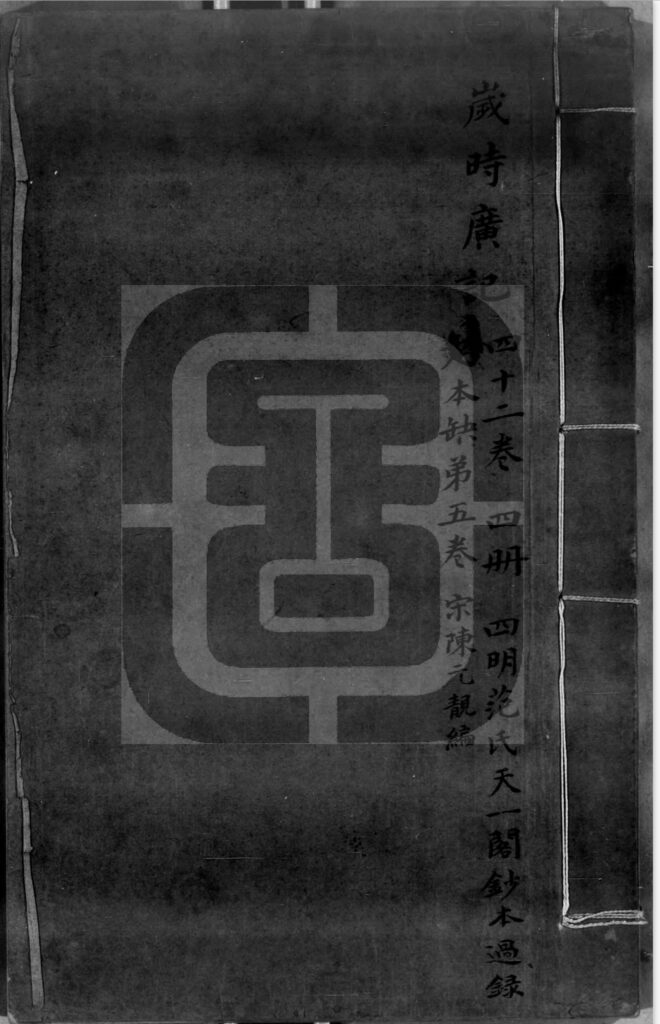
歲時廣記。四十卷。南宋。陳元靚撰
陰氣竭
淮南志天文訓曰。冬至則斗北中繩。陰氣竭。陽氣萌。故曰冬至為德。萬物閉藏。蟄蟲首穴。
Fading away of the Yin force
When the Winter Solstice arrives, the Dipper points to the north. The yin energy is exhausted, and the yang energy begins to emerge.
陽氣萌
後漢陳寵奏。冬至之日。陽氣始萌。故有芸荔之應(“芸荔之應” 出自漢代陳寵的奏疏,描述冬至後陽氣初萌之象徵。十一月有蘭、射干、芸、荔等植物應時而生,象徵天道運行與季節轉換。)。月令曰。芸始生。荔挺出。注云。芸香荔。馬薤是也。(「芸香」即芸香草(Artemisia argyi),一種芳香驅蟲植物,古人視其初生為陽氣初現徵象。)宋博亮冬至詩云。柔荔迎時萋。芳應節馥。

文化篇。冬至。一陽生 Daily culture series ~ Solar term Winter Solstice, First trace of Yin force
歲時廣記。四十卷。南宋。陳元靚撰
冬至
通曆及高氏小史曰。地皇氏(地皇氏是中國上古神話中的三皇之一,繼天皇氏之後,以火德統治天下。)以十一月為冬至。曆義疏云。冬至十一月之中氣也。言冬至者。極也。太陰之氣上於陽。太陽之氣下極於地。寒氣已極。故曰冬至氣當易之。是以王者閉門閭。商旅不行。以其陽氣乘踴。君壽益長。是以冬賀也。亦以日之行。至於𢁉維東南角。極之於此。故曰冬至。
According to the General Calendar, the eleventh lunar month was designated as the time of the Winter Solstice. The Winter Solstice is the major solar term with the eleventh month, and it signifies the utmost limit. The vital energy of the ‘yin’ force rises upward towards ‘yang’, while the vital energy of the ‘yang’ force descends deep into the earth. When the cold energy reaches its extreme, it is called Winter Solstice, at this point, the ‘qi’ or energy of Heaven and Earth is about to change.
一陽生
易復卦疏。陽氣始於剝盡之後。至陽氣來復時。凡經七日。如褚氏。莊氏並五云。五月一陰生。十一月一陽生。凡七月。而云七日不云月者。欲見陽長湏(須)速。故變月言日。易通卦驗云。冬至一陽生。配乾之初九。
The yang energy begins after the yin energy has been completely exhausted. When this moment comes that yang energy returns, it follows a course of seven periods. When the first trace of yin appears at Wu month, Summer Solstice and the first trace of yang appears at Zi month, Winter Solstice, altogether spanning seven months.

生活文化篇。月令。未月 Third summer month ~ Wei month
禮記集說一百。經部。戰國 (公元前475年 – 公元前221年)
季夏之月,日在柳,昏火中,旦奎中。其日丙丁。其帝炎帝,其神祝融。其蟲羽。其音徵,律中林鐘。其數七。其味苦,其臭焦。其祀灶,祭先肺。
溫風始至,蟋蟀居壁,鷹乃學習,腐草為螢。
天子居明堂右个,乘朱路,駕赤騮,載赤旗,衣朱衣,服赤玉。食菽與雞,其器高以粗。命漁師伐蛟取鼉,登龜取黿。命澤人納材葦。
是月也,命四監大合百縣之秩芻,以養犧牲。令民無不咸出其力,以共皇天上帝名山大川四方之神,以祠宗廟社稷之靈,以為民祈福。
是月也,命婦官染采,黼黻文章,必以法故,無或差貸。黑黃倉赤,莫不質良,毋敢詐偽,以給郊廟祭祀之服,以為旗章,以別貴賤等給之度。
是月也,樹木方盛,乃命虞人入山行木,毋有斬伐。不可以興土功,不可以合諸侯,不可以起兵動眾,毋舉大事,以搖養氣。毋發令而待,以妨神農之事也。水潦盛昌,神農將持功,舉大事則有天殃。
是月也,土潤溽暑,大雨時行,燒薙行水,利以殺草,如以熱湯。可以糞田疇,可以美土強。
季夏行春令,則穀實鮮落,國多風咳,民乃遷徙。行秋令,則丘隰水潦,禾稼不熟,乃多女災。行冬令,則風寒不時,鷹隼蚤鷙,四鄙入保。
At Wei month, the third and final month of summer season, the ruling heavenly stems of its days are Bing and Ding fire. It’s ruling emperor is Yan Di 炎帝 (the Flame Emperor), and its divine minister is Zhu Rong 祝融. It’s creature is the feathered kind birds. It’s number is seven, flavor is bitter and odor is scorched.
Weather changes:
Warm winds begin to arrive. Crickets take shelter within the walls. The hawks begin their training in flying. Decayed grasses transform into fireflies.
The Emperor :
The son of heaven (emperor) resides in the right chamber of the Bright Hall. He rides in a red-orange carriage, drawn by red horses, bearing crimson banners. He wears red garments and adorns himself with red jade. He eats beans, chicken, his vessels are tall and slightly coarse in texture. He commands the fishermen to hunt water dragons and alligators. He orders the marsh people to gather reeds and timber from the wetlands.
Women duties:
In this month, women’s officials are commanded to engage in dyeing and weaving, decorating the fabrics with patterns of axes and dragon. All must follow the established standards, no deviation or negligence is permitted. The colors – black, yellow, blue-green and red, must all be pure and of fine quality. None may use deceit or inferior materials. These garments are to be supplied for the ceremonial garments in ancestral sacrifice and in order to distinguish ranks and degrees of nobility.
Wild nature:
In this month, trees are flourishing. The foresters are instructed to enter the mountains to inspect the trees but none may be cut or felled. No major undertakings should be initiated, so as not to disturb the nourishing of life’s vital energy.

生活文化篇。月令。午月 Third spring month ~ Wu month
禮記集說一百。經部。戰國 (公元前475年 – 公元前221年)
仲夏之月,日在東井,昏亢中,旦危中。其日丙丁。其帝炎帝,其神祝融。其蟲羽。其音徵,律中蕤賓。其數七。其味苦,其臭焦。其祀灶,祭先肺。
小暑至,螳蜋生。鵙始鳴,反舌無聲。
天子居明堂太廟,乘朱路,駕赤騮,載赤旗,衣朱衣,服赤玉,食菽與雞,其器高以粗。養壯佼。
是月也,命樂師修鞀鞞鼓,均琴瑟管簫,執干戚戈羽,調竽笙篪簧,飭鐘磬柷敔。命有司為民祈祀山川百源,大雩帝,用盛樂。乃命百縣,雩祀百辟卿士有益於民者,以祈穀實。農乃登黍。
是月也,天子乃以雛嘗黍,羞以含桃,先薦寢廟。令民毋艾藍以染,毋燒灰,毋暴布。門閭毋閉,關市毋索。挺重囚,益其食。游牝別群,則縶騰駒,班馬政。
是月也,日長至,陰陽爭,死生分。君子齊戒,處必掩身,毋躁。止聲色,毋或進。薄滋味,毋致和。節嗜欲,定心氣,百官靜事毋刑,以定晏陰之所成。鹿角解,蟬始鳴。半夏生,木堇榮。
是月也,毋用火南方。可以居高明,可以遠眺望,可以升山陵,可以處臺榭。
仲夏行冬令,則雹凍傷穀,道路不通,暴兵來至。行春令,則五穀晚熟,百螣時起,其國乃饑。行秋令,則草木零落,果實早成,民殃於疫。
In this month of mid-summer, the heavenly stems are Bing Ding fire. The ruling emperors the Flame Emperor and the corresponding spirit is the Fire God. Its associated creature is the feathered kind birds. Its number is seven, the taste is bitter and smell is scorned.
It is the time for solar term, minor heat. Mantises birth during this time and their eggs laid in previous autumn and hatch in response to the newly emerging yin energy.
The shrike birds begins to sing, responding to the growing yin energy.
The mockingbirds stopped its singing as a signal the subtle rise of yin energy under the intense yang summer heat, representing a natural transition in the season.
The emperor resides in the Ming Tang, places of supreme ritual and governance, riding on a chariot symbolizing auspicious fire energy and summer. Driving a reddish horse also symbolizes fire and visually, carrying a red flag, reinforcing the fire element theme associated with mid-summer.

生活文化篇。月令。巳月 Third spring month ~ Si month
禮記集說一百。經部。戰國 (公元前475年 – 公元前221年)
孟夏之月,日在畢,昏翼中,旦婺女中。其日丙丁。其帝炎帝,其神祝融。其蟲羽。其音徵,律中中呂。其數七。其味苦,其臭焦。其祀灶,祭先肺。
螻蟈鳴,蚯螾出,王瓜生,苦菜秀。
天子居明堂左个,乘朱路,駕赤騮,載赤旗,衣朱衣,服赤玉。食菽與雞,其器高以粗。
是月也,以立夏。先立夏三日,大史謁之天子曰:某日立夏,盛德在火。天子乃齊。立夏之日,天子親帥三公、九卿、大夫以迎夏於南郊。還反,行賞,封諸侯。慶賜遂行,無不欣說。乃命樂師,習合禮樂。命太尉,贊桀俊,遂賢良,舉長大,行爵出祿,必當其位。
是月也,繼長增高,毋有壞墮,毋起土功,毋發大眾,毋伐大樹。
是月也,天子始絺。命野虞出行田原,為天子勞農勸民,毋或失時。命司徒巡行縣鄙,命農勉作,毋休于都。
是月也,驅獸毋害五穀,毋大田獵。農乃登麥,天子乃以彘嘗麥,先薦寢廟。
是月也,聚畜百藥。靡草死,麥秋至。斷薄刑,決小罪,出輕系。蠶事畢,后妃獻繭。乃收繭稅,以桑為均,貴賤長幼如一,以給郊廟之服。
是月也,天子飲酎,用禮樂。
孟夏行秋令,則苦雨數來,五穀不滋,四鄙入保。行冬令,則草木蚤枯,後乃大水,敗其城郭。行春令,則蝗蟲為災,暴風來格,秀草不實。
This is the first month of summer and the days are governed by Bing and Ding fire. The ruling emperor is Yan Di 炎帝 (fire element). The associated creature is feathered birds. Its number is seven and its flavor is bitter and its smell is scorched. The sacrifice is offered to the hearth, with the lungs presented first.
The three pentads are, when the mole crickets sing, the earthworm come out, the bottle gourds grow and the bitter herbs flourish in bloom.
The emperor rises in the left chamber of the Bright Hall, drives red horses, carries red banners, adorns himself with red jade. His food consists of beans, chicken, and his vessels are tall and coarse.
In this month, solar term ‘Start of Summer’ arrives. Three days prior, officials reported to the emperor saying ‘On such day, it is the beginning of summer and fire element dominates’. Then the emperor purifies himself through fasting.

生活文化篇。月令。辰月 Third spring month ~ Chen month
禮記集說一百。經部。戰國 (公元前475年 – 公元前221年)
季春之月,日在胃,昏七星中,旦牽牛中。其日甲乙。其帝大皞,其神句芒。其蟲鱗。其音角,律中姑洗。其數八。其味酸,其臭膻。其祀戶,祭先脾。
桐始華,田鼠化為鴽,虹始見,萍始生。
天子居青陽右个,乘鸞路,駕倉龍,載青旗,衣青衣,服倉玉。食麥與羊,其器疏以達。
是月也,天子乃薦鞠衣于先帝。命舟牧覆舟,五覆五反。乃告舟備具於天子焉,天子始乘舟。薦鮪于寢廟,乃為麥祈實。
是月也,生氣方盛,陽氣發泄,句者畢出,萌者盡達。不可以內。天子布德行惠,命有司發倉廩,賜貧窮,振乏絕,開府庫,出幣帛,周天下。勉諸侯,聘名士,禮賢者。
是月也,命司空曰:時雨將降,下水上騰,循行國邑,周視原野,修利堤防,道達溝瀆,開通道路,毋有障塞。田獵罝罘、羅網、畢翳、餧獸之藥,毋出九門。
是月也,命野虞毋伐桑柘。鳴鳩拂其羽,戴勝降於桑。具曲植籧筐。后妃齊戒,親東鄉躬桑。禁婦女毋觀,省婦使以勸蠶事。蠶事既登,分繭稱絲效功,以共郊廟之服,無有敢惰。
是月也,命工師令百工審五庫之量:金鐵,皮革筋,角齒,羽箭干,脂膠丹漆,毋或不良。百工咸理,監工日號;毋悖于時,毋或作為淫巧以蕩上心。
是月之末,擇吉日,大合樂,天子乃率三公、九卿、諸侯、大夫親往視之。
是月也,乃合累牛騰馬,游牝於牧。犧牲駒犢,舉,書其數。命國難,九門磔攘,以畢春氣。
季春行冬令,則寒氣時發,草木皆肅,國有大恐。行夏令,則民多疾疫,時雨不降,山林不收。行秋令,則天多沉陰,淫雨蚤降,兵革并起。
The last month of spring, the days are regulated by Jia and Yi wood. The creatures corresponding to this time are those with scales. The number is eight, flavor is sour and odor is rank.
The paulownia (flame tree) starts to blossom, field mice transform into quails. Rainbows first appear and duckweed begins to grow.
The emperor resides in the Right Hall of Green Yang (representing springtime), adorned with blue banners, wears blue garments and is girded with azure jade. He eats wheat and mutton and his vessels are simple and open in design.
In this month, the emperor presents mulberry-leaf-coloured robes (silkworm ceremony garments) as an offering to the late emperor. He ordered the boat-keeper to overturn the boats five times in succession, and report the readiness of these boats to the Son of Heaven. The emperor also offered dried fish as a sacrifice in the ancestral temple and then prays for abundance in the wheat heaven.
In this month, the emperor patrol the city and villages, inspected the field and plains, repair and strengthen the dams and embankments, clear and open the ditches and canals, and unblock the roads, so that no obstructions remain. Hunting traps, nets, snares and poisons used for feeding beasts must not pass beyond the city gates.
In this month, the emperor commands the wild guards not to cut mulberry, called dove flutters its wings. Prepared woven baskets. The empress and consorts observe ritual discipline, personally tending mulberry trees in the eastern village. Women are forbidden to watch, and female officials supervise to encourage silkworm cultivation.

生活文化篇。月令。卯月 Mid spring month ~ Mao month
禮記集說一百。經部。戰國 (公元前475年 – 公元前221年)
仲春之月,日在奎,昏弧中,旦建星中。其日甲乙,其帝大皞,其神句芒。其蟲鱗。其音角,律中夾鐘。其數八。其味酸,其臭膻,其祀戶,祭先脾。
始雨水,桃始華,倉庚鳴,鷹化為鳩。
天子居青陽大廟,乘鸞路,駕倉龍,載青旗,衣青衣,服倉玉,食麥與羊,其器疏以達。
是月也,安萌芽,養幼少,存諸孤。擇元日,命民社。命有司省囹圄,去桎梏,毋肆掠,止獄訟。
是月也,玄鳥至。至之日,以大牢祠于高禖。天子親往,后妃帥九嬪御。乃禮天子所御,帶以弓韣,授以弓矢,于高禖之前。
是月也,日夜分。雷乃發聲,始電,蟄蟲咸動,啟戶始出。先雷三日,奮木鐸以令兆民曰:雷將發聲,有不戒其容止者,生子不備,必有凶災。日夜分,則同度量,鈞衡石,角斗甬,正權概。
是月也,耕者少舍。乃修闔扇,寢廟畢備。毋作大事,以妨農之事。
是月也,毋竭川澤,毋漉陂池,毋焚山林。天子乃鮮羔開冰,先薦寢廟。上丁,命樂正習舞,釋菜。天子乃帥三公、九卿、諸侯、大夫親往視之。仲丁,又命樂正入學習舞。
是月也,祀不用犧牲,用圭璧,更皮幣。
仲春行秋令,則其國大水,寒氣總至,寇戎來征。行冬令,則陽氣不勝,麥乃不熟,民多相掠。行夏令,則國乃大旱,暖氣早來,蟲螟為害。
In the mid-spring month, the symbolic insect in the scaled insect 鱗. The number connected to this period is number eight. It’s predominant flavor is sour and it’s distinct odor is strong. It is also the time to offer sacrifices to the ancestors spleen 祭先脾.
The emperor resides in the Qingyang Great temple during the spring season. He rides in a phoenix corridor, driven by a blue-green dragon horse, carrying a green flag, wearing green gown and adorned with a blue-green jade. His good consists of wheat and mutton.
During this time, taking care of the budding growth, caring for the youth and orphans. Choose an auspicious day to order the community to hold sacrifices. Command the officials to inspect the prisoners, remove restraints and cease lawsuits and litigation.
The ritual involves the emperor personally going to the shrine to perform sacrifices with his empress which is associated with fertility and renewal.
Farmers took a short rest from plowing. During this time, people repair doors and shutters and complete preparations for the ancestral temple and dwellings. Major construction or large projects are forbidden as they would interfere with farming activities.

生活文化篇。月令。寅月 First spring month ~ Yin Month
禮記集說一百。經部。戰國 (公元前475年 – 公元前221年)
孟春之月,日在營室,昏參中,旦尾中。其日甲乙。其帝大皞,其神句芒。其蟲鱗。其音角,律中大蔟。其數八。其味酸,其臭膻。其祀戶,祭先脾。
東風解凍,蟄蟲始振,魚上冰,獺祭魚,鴻雁來。
天子居青陽左个。乘鸞路,駕倉龍,載青旗,衣青衣,服倉玉,食麥與羊,其器疏以達。
是月也,以立春。先立春三日,大史謁之天子曰:某日立春,盛德在木。天子乃齊。立春之日,天子親帥三公、九卿、諸侯、大夫以迎春於東郊。還反,賞公卿、諸侯、大夫於朝。命相布德和令,行慶施惠,下及兆民。慶賜遂行,毋有不當。乃命大史守典奉法,司天日月星辰之行,宿離不貸,毋失經紀,以初為常。
是月也,天子乃以元日祈穀于上帝。乃擇元辰,天子親載耒耜,措之參保介之御間,帥三公、九卿、諸侯、大夫,躬耕帝藉。天子三推,三公五推,卿諸侯九推。反,執爵于大寢,三公、九卿、諸侯、大夫皆御,命曰:勞酒。
是月也,天氣下降,地氣上騰,天地和同,草木萌動。王命布農事,命田舍東郊,皆修封疆,審端經術。善相丘陵阪險原隰土地所宜,五穀所殖,以教道民,必躬親之。田事既飭,先定準直,農乃不惑。
是月也,命樂正入學習舞。乃修祭典。命祀山林川澤,犧牲毋用牝。禁止伐木。毋覆巢,毋殺孩蟲、胎、夭、飛鳥。毋麑,毋卵。毋聚大眾,毋置城郭。掩骼埋胔。
是月也,不可以稱兵,稱兵必天殃。兵戎不起,不可從我始。毋變天之道,毋絕地之理,毋亂人之紀。
孟春行夏令,則雨水不時,草木蚤落,國時有恐。行秋令則其民大疫,猋風暴雨總至,藜莠蓬蒿并興。行冬令則水潦為敗,雪霜大摯,首種不入。
This is the post about all the contents that happens during Yin month, which is the first month of the calendar year.
– first month of the spring season and it is about the wood energy, in term of heavenly stems, they are Jai and Yi wood, representing number 8, taste is sour
– solar term is Start of Spring
– During spring, the emperor will stay on the right hand side of his hall, which belongs to wood direction, in his green gown, green jade, also stands for the colour of spring. Seasonal foods are wheat, mutton.
– During this month, weather is still cool and temperature is still low. The ground is getting warmer as time goes, growing energy is starting to pick up. The emperor will give out order to start farming activities.

藝文類聚卷第一。天部上。風 Wind
藝文類聚。一百卷。歐陽詢編。明嘉靖時期天水胡纘宗刊本
爾雅曰。四氣和為通。正謂之景風。南風謂之凱風。東風謂之風。北風謂之涼風。西風謂之泰風。
尚書曰。休徵曰。聖時風若。(若順也。君能通理。則曰風順時也)
又曰。周公居東二年。天大風。禾盡偃。大木斯拔。王啓金縢之書。迎周公。天乃返風。未盡起。
左氏傳曰。六鶂退飛過宋都。風也。
老子曰。飄風不終朝。
毛詩曰習習谷風。以陰以雨。
又曰。終風且曀。(終日而風為終風。)
又曰。凱風自南。吹彼棘心。(南風謂之凱風。)
又曰。冬日烈烈。飄風發發。
禮記曰。立冬之日。東風解凍。
禮稽命徵曰。出號令。合民心。則祥風至。
孝經援神契曰。德至八方。則祥風至。
尚書大傳曰。舜將禪禹。八風脩通。
又曰成王時。越裳重譯而來朝。曰久矣。天之無烈風迅雨。意中國有聖乎。
莊子曰。列子御風而行。冷然旬有五日而後反。
國語曰。海鳥愛居。止於魯國東門之外。
三日。展禽曰令其有炎乎。是歲也。海多大風。
荊州星占曰。箕星一名舌。動則大風至。
Wind, when the air circulation is good and nice, then there is wind. Ancient people also interpret in this way. They named different wind manner in four different ways and according to features of the four seasons. Wind from the east is with rain and thunder, this is the same weather for spring season. Wind from the south is with hot, this is also an auspicious signal for smooth politics for the King. Wind from the west is strong and will dying growing energy, this matches with the weather in autumn and finally wind from the north is with cold and freezing temperature.

藝文類聚卷第一。天部上。雲 Cloud
藝文類聚。一百卷。歐陽詢編。明嘉靖時期天水胡纘宗刊本
《歸藏》曰。有白雲出自蒼梧。入于大梁(寓意祥瑞之象)
《周易》曰。雲從龍。(帶來祥瑞和影響力。如龍帶動雲氣一樣)
又曰。密雲不雨。自我西郊。(小畜卦。雖然有雲層聚集,但還未降雨。尚處于積蓄力量階段)
又曰。坎為雲。毛詩曰。英英白雲。露彼菅茅。(如清新幽靜的自然景致)
又曰。薈兮蔚兮。南山朝躋。(薈蔚。雲興也)(草木繁盛茂盛)
《左氏傳》。郯子曰。黃帝以雲紀官。故為雲師而雲名。
又曰。凡分至啟閉。必書雲物。為備故也。
《易通卦驗》曰。
冬至初陽。雲出箕。如樹木之狀。
立春青陽。雲出房。如積冰。
春分正陽。六出張。如白鵠。
穀雨太陽。雲出張。如車蓋。
立夏初陰。雲出觜。赤如珠。
夏至少陰。雲如水波。
寒露正陰。雲如冠纓。
霜降大陰。雲出。上如羊。下如磻石。
《禮統》曰。雲者。運氣。布恩普也。
《周禮》曰。保章氏。以五雲之物。辨吉凶水旱。降豐荒之祲。(二至二分觀雲色。青為禹。白為喪。赤為兵荒。黑為水。黃為豐。
Back in the old times, people saw clouds as a symbol of auspiciousness. They observed the shape of clouds according different times of the years. They divided the time period based on solar terms.
For example:
Winter Solstice, the cloud shape is long and lean, like the shape of a tree stem.
Start of Spring, the cloud shape is like a thin layer of ice.
Spring Equinox, the cloud shape is like a bird.
Grain Rain, the cloud shape is like the top of a cart.

藝文類聚卷第一。天部上。星 Stars
藝文類聚。一百卷。歐陽詢編。明嘉靖時期天水胡纘宗刊本
說文》曰。萬物之精。上為列星。
《尚書考靈曜》曰。五星若編珠。旋璣(北斗星)中星星調。則風雨時。
《春秋說題辭》曰。星之為言精也。陽之榮也。陽精為日。日分為星。故其字日生為星。
《尚書洪範》曰。庶民為星。星有好風。星有好雨。月之從星。則以風雨。(月經于箕則多風。離于畢則多雨也。)
《周禮》曰。保章氏。掌天星。以志日月星辰之變動。以觀天下之遷。辨其吉凶。以星土辨九州之地。所封之域。皆有分星。以觀妖祥。
《左氏傳》曰。魯莊公七年夏四月辛卯。夜。恆星不見。夜明也。夜中。星隕如雨。與雨偕也。
《春秋運斗樞》曰。北斗七星。第一天樞。第二旋。第三機。第四權。第五衡。第六開陽。第七搖光。第一至四為魁。第五至第七為摽。摽合為斗。居陰布陽。故稱北。
Ancient people observe the stars were mainly for weather forecasts. They will observe the stars changed in patterns to forecast for weather changes for the near future.
Big Dipper is an important stars for them. When the order of the various stars slightly altered, then they can foresee that the wind and storm are probably coming soon. In another occasion, when the stars order slightly changed, then they can foresee auspiciousness for the near future.

藝文類聚。卷一。天部上。月 The Moon
藝文類聚。一百卷。歐陽詢編。明嘉靖時期天水胡纘宗刊本
《釋名》曰。月。闕(缺)也。滿則缺也(月滿就要開始月缺)。晦(昏暗)。灰也。月死為灰(月光的消散)。月光盡似之也(月光全然相似)。朔(最初。初一)。蘇也。月死復蘇生也。弦。月半之名也。其形一旁曲。一旁直。若張弓弦也。望。月滿之名也。日月遙相望者也。
《廣雅》曰。夜光謂之月。
《山海經》曰。大荒之中。有方山。日月所出入也。
《五經通義》曰。月中有兔與蟾蜍何。月。陰也。蟾蜍。陽也。而與兔並明。陰係陽也。
《文選》。月上軒而飛光(月光透過窗軒照射進來)。
《乾鑿度》曰。月三日成魄。八日成光。蟾蜍體就。穴鼻始明。(穴。決也。決鼻。兔也)
《史記天官書》曰。月行中道。安寧和平。又曰。太陰之精上為日。月者。天地之陰。金之精也。
When the sun is the absolute energy of yang, then the moon is the ultimate energy of yin. During a calendar month, from the first day until the 30th, it goes through different moon phases. From full moon to quarters, this is a infinite cycle. The moon is the only light that lights up the sky at night time. People in ancient society believed there is a rabbit and toad in the moon. The rabbit is yin and the toad is yang.


藝文類聚卷第一。天部上。日 The Sun
藝文類聚。一百卷。歐陽詢編。明嘉靖時期天水胡纘宗刊本
《易》曰。日月麗乎天。又曰。離為日。又曰。日中則昃(太陽西斜。申時)。月盈則食。天地盈處。與時消息。而況於人乎。況於鬼神乎。
《毛詩》曰。日居(太陽高掛)月諸(月亮光輝的存在)。胡迭而微(光景反覆交替)。
《禮記》曰。玄端(古代深色禮服)而朝日於東門之外(迎接日出於東門外)。
《左氏傳》曰。趙衰,冬日之日也。趙盾。夏日之日也。
《五經通義》曰。日中有三足烏(太陽象徵三足烏)。
《春秋風事》曰。日者陽德(陽剛之氣的根源)之母。
《白虎通》曰。日行遲(日行穩定)。月行疾(月亮對恆星較快)者何。君舒臣勞也。日月所以懸著(天地有定理)何。助天行化。昭明下地也(日月光輝普照大地)。日月徑千里。
《說文》曰。日。實也。太陽之精。字從口一。象形也。又曰。初出為旭。
The Sun, in I-Ching, it is the Li Bagua. It means radiance, clarity, flaming, beauty and brightness. This the concept of the Sun in the sky. This pattern covers not only human but also other energy that exists in the world. According to the ancient tradition, they worship the sun as they wore special gown and gathered at the east entrance to welcome the first dawn light.
In another ancient book, it wrote that in old times, the sun also represents a special breed of crow with three legs.

藝文類聚卷第一。天部上。天 Sky
藝文類聚。一百卷。歐陽詢編。明嘉靖時期天水胡纘宗刊本
周易曰。大哉乾元。萬物資始。乃統天。雲行雨施。品物流形。大明終始。六位時成。時乘六龍以御天。乾道變化。各正性命。
又曰立天之道。曰陰與陽。又曰天行健。
尚書曰。乃命羲和。欽若昊天。又曰皇天震怒。命我文考。肅將天威。
禮記曰。天地之道。博也。厚也。高也。明也。悠也。久也。日月星辰繫焉。萬物覆焉。
論語曰。天何言哉。四時行焉。百物生焉。
老子曰。天得一以清。
春秋繁露曰。天有十端。天地陰陽,水土金木火人。凡十端。天亦喜怒之氣。哀樂之心。與人相副以類。合之天人一也。
爾雅曰。天不足西北。陽極於九。故天周九九八十一萬里。
渾天儀曰。天如雞子。天大地小。天表裏有水。地各乘氣而立。載水而浮。天轉如車轂之運。
黃帝素問曰。積陽為天。故天者清陽也。
Sky in the ancient times, they see it as the same as ‘Qian’ trigram. They interpret the meaning of Qian bagua as they see the sky.
According to I-Ching, the first bagua is Qian. It means the sky, it is the most important thing in the world, so it comes before everything. As soon as it exists, all the living energy and substances can live. It provides resources, energy for things to grow and it is the ultimate origin.
It can rain, there is wind and sunshine are natural phenomena let all living things to live under suitable environment. Since there is sky, then there is moon, star and then all living things. Four seasons then are possible.

歲時篇。冬 Winter Season
藝文類聚。一百卷。歐陽詢編。明嘉靖時期天水胡纘宗刊本
《爾雅》曰。冬為玄英(冬天)。一曰安寧
《禮記》曰。孟冬之月(亥月)。水始冰。地始凍。雉入大水為蜃(大蛤蜊)。虹藏不見。仲冬之月(子月)。冰益壯。地始坼(裂開)。鶡鳥不鳴。虎始交。荔挺出。丘蚓結。麋角解。水泉動。日短至。季冬之月(丑月)。鴈北向。鵲始巢。雉雊雞乳。日窮于次。月窮于紀。星迴于天。
《尚書大傳》曰。北方者。物之伏方也。何以謂之冬。冬。中也。物方藏於中也。故曰北方冬也。
《周書時訓》曰。小寒之日。鴈北鄉。又五日。鵲始巢。又五日。雉始雊。鴈不北鄉。民不懷生。鵲不始巢。國不安寧。雉不始雊。國乃大水。大寒之日。雞始乳。又五日。鷙鳥厲疾。又五日。水澤腹堅。雞不乳。淫女亂男。鷙鳥不厲。國不除兵。水澤不腹堅。言乃不從。
《逸禮》曰。冬則衣黑衣。佩玄玉。乘玄輅(車前橫木)。賀鐵麗。載玄旂(旗有眾鈴)。以迎冬于北效。其祭先豕(野豬)。居明堂後廟。啟北戶。
《毛詩》曰。冬日烈烈。飄風發發。
Winter season is the time for water energy. They are the Hai water, Zi water and Chou earth month. During these three months, the solar terms are:
Start of Winter 立冬
Minor Snow 小雪
Major Snow 大雪
Winter Solstice 冬至
Minor Cold 小寒
Major Cold 大寒
Winter season, the solar terms describe the weather as temperature is dropping, living energy are already slowed down. Upon the Zi month, the first yang energy resume, even the ground is still frozen, but living energy underground starts to resume and pick up their pattern. Finally its Chou month, migrate birds are returning, start to build nest again. Upon these nature scenery, we know its winter and spring is just round the corner.

歲時篇。秋 Autumn Season
藝文類聚。一百卷。歐陽詢編。明嘉靖時期天水胡纘宗刊本
《爾雅》曰。秋為白藏。一日收成。
《禮記》曰。孟秋(申月)之月。(立秋)涼風至。白露降。寒蟬鳴。鷹乃祭鳥。仲秋(酉月)之月。(白露)。鴻鴈來。玄鳥歸。群鳥養羞。季秋(戌月)之月。(寒露)鴻鴈來賓。雀入大水為蛤。菊有黃花。豺乃祭獸。
《尸子》曰。秋為禮。西方為秋。秋。肅也。萬物莫不禮肅。敬之至也。
《毛詩》曰。秋日凄凄。百草具腓。又曰。一日不見。如三秋兮。
《春秋考異郵》曰。立秋趣織鳴。
《尚書》曰。分命和仲。宅西(西方極遠之地)。曰昧谷(古代神話傳說中西方日入之處)。寅餞納日(恭敬送落日)。平秩西成(秋天莊稼已熟。農事告成)。宵中星虛(晝夜長短相等。陰陽平分。星虛。虛星。秋分之日。黃昏時分。出現在西方)。以殷仲秋。
《周書時訓》曰。立秋之日。涼風至。後五日。白露降。後五日。寒蜩鳴。涼風不至。國無嚴政。白露不降。民多欬病。寒蜩不"鳴。人臣力爭。白露之日。鴻鴈來。後五日。玄鳥歸。後五日。群鳥養羞。鴻鴈不來。遠人背叛。玄鳥不歸。室家離散。群鳥不羞。臣下驕慢。秋分之日。雷乃始收。後五日。蟄蟲坯戶。後五日。水始涸。雷乃不收。諸侯淫汰。蟄蟲不坯。民靡有賴。水不始涸。介蟲為害。
Autumn season is the season for metal energy and the corresponding colour is white, this is also the season for harvest. During the three months of autumn, the Shen metal, You metal and Xu earth months, the solar terms are:
Shen month ~ Start of Autumn 立秋
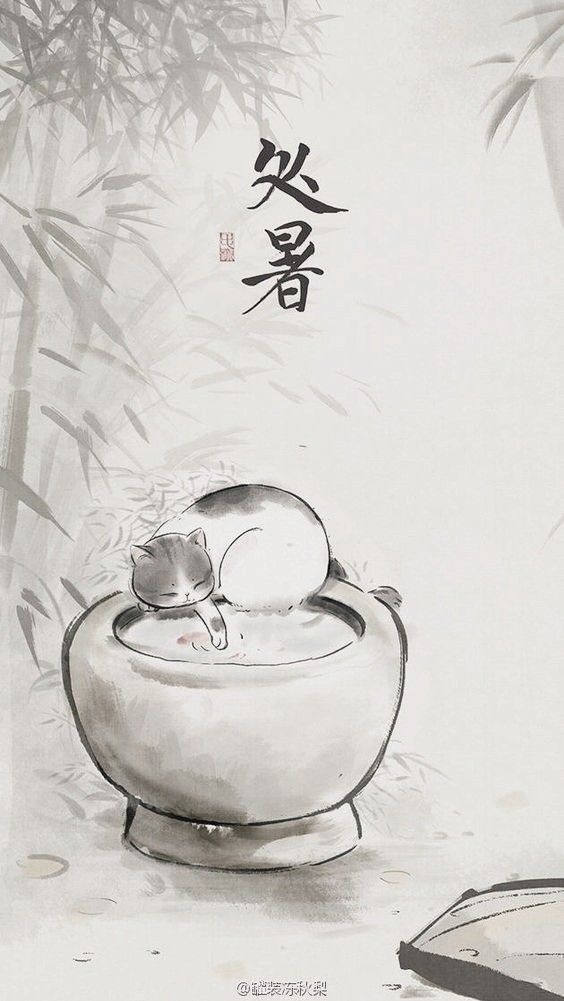
End of Heat 處暑
You month ~ White Dew 白露
Autumn Equinox 秋分
Xu month ~ Cold Dew 寒露
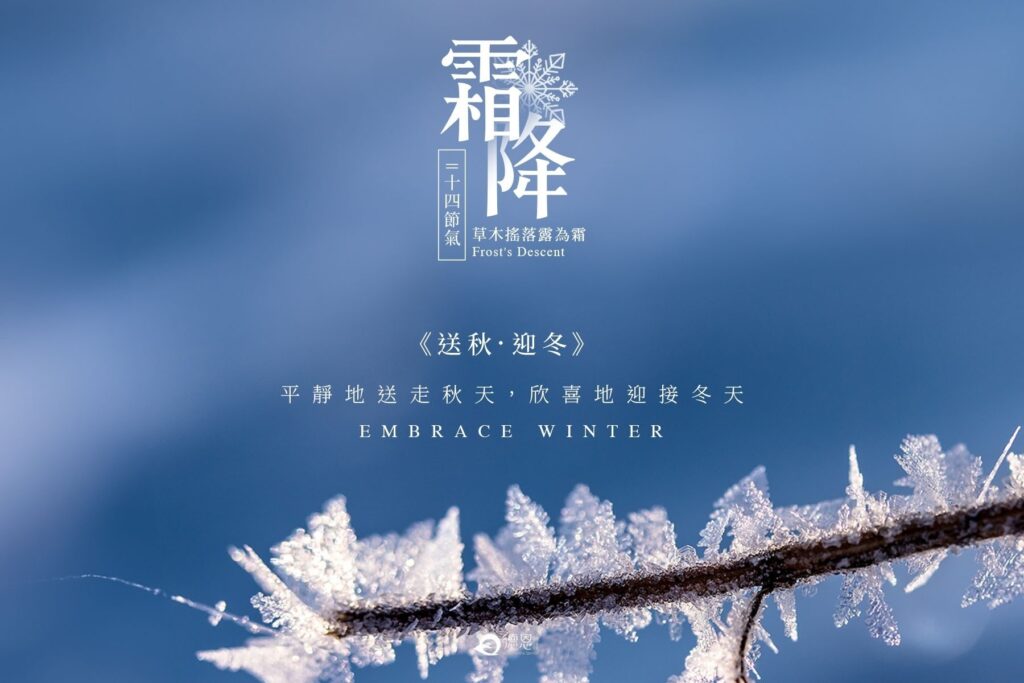
Frost’s Descent 霜降

歲時篇。夏 Summer Season
藝文類聚。一百卷。歐陽詢編。明嘉靖時期天水胡纘宗刊本
《爾雅》曰。夏為朱明(明朝夏稱)。一日長嬴(漢語中夏稱)。
《尸子》曰。夏為樂。南方為夏夏興也。南任(責任)也。是故萬物莫不任。興蕃殖(繁殖)充盈樂之至也。
《尚書》曰。(堯帝命)申命(再命)羲叔宅南交(南方極樂之地)。日永星火(夏至之日。火星心宿。出現在南方。以正仲夏。鳥獸希革(羽毛希疏)。
《周書時訓》曰。夏至之日。鹿角解。蜩始鳴。大暑之日。腐草化為螢。
《禮記》曰。孟夏之月(巳月)。盛德在火。天子迎夏於南郊。還反行賞封諸侯。慶賜逐行。靡草死。麥秋至(小滿)。薄刑决小罪(判決輕刑)。
仲夏之月(午月)。天子羞以含桃(天子用櫻桃作為祭品)。先薦寢廟(先供奉給宗廟)。日長至陰陽爭(夏至陰陽交替。互相爭奪)。君子處。必掩身無躁(在齋戒時。必定遮蔽身體。內心不躁動)。(夏至三候)蟬始鳴。木槿榮。可以居高明。可以遠眺望。可以升山陵(登上高山)。可以處臺榭(台上客室。宗廟)。
季夏之月。溫風始至。蟋蟀居壁。鷹乃學習。腐草化為螢。
Summer season is the season for fire energy and heat. With the already escalated temperature, the crops that were planted in spring season are nearly fully grown. In another word, summer is the time for growing energy in full swing.

文化篇。上古 Culture series ~ Ancient times in Chinese Society
史學提要。三卷。宋。黃繼善撰。元代建陽地區刋本
上古
《通略》天地未判之初。有太易有太初有太始。其說出於列子。皆強為之名。非初學所及本不取。
天地未分(此言天地未曾分判之時)
惟一氣耳(不過是一團氣而已)
一氣渾沌(《渾》上濁。《沌》豚上濁。渾沌者。言其清濁不分也)
形如雞子(渾沌之形如一枚完雞卵樣)
渾沌既判(渾沌之氣。逐漸分判)
兩儀奠位(分為天地謂之兩儀。奠者定也。上下自然有定位也)
陽清為天(陽氣輕清。上而為天)
陰濁為地(陰氣重濁。下而為地)
人生其中(天地之氣又凝合而成人。以生於其中)
負陰抱陽(人背負處屬陰。面抱處屬陽)
三才肇立(《肇》音兆。人與天地相參而立。謂之三才肇者初也)
世號鴻荒(三才初立之時。未有統紀。號為鴻荒之世。鴻者大也。荒者無條理也)
是謂上古(上古之時只是如此)
結繩而治(未有文字。結繩為記以識政事)
Ancient times from an ancient history book from Song Dynasty
Why we have to learn how people interpret ancient times when we learn fortune telling?
This is the origin of the concept and way of thinking of the ancient fortune telling studies. As the result, if we have a better understanding of how people think at those times, we can have a smoother way of learning.
This is the time before everything exists, sky and ground were not even separated, this was one mixture of energy happened in the space, this is just like raw eggs mixed together. Then sky and ground were divided. Sky’s energy is clear and light, and ground energy is heavy and complicated as it was holding various energy. Then human appeared in between the sky and ground. This is the general concept of ancient times within the Chinese society.

歲時篇。春 Spring season
藝文類聚。一百卷。歐陽詢編。明嘉靖時期天水胡纘宗刊本
《爾雅》曰春為青陽。一曰發生。
尚書曰。寅賓(恭敬地迎接)日出。平秩東作(從事春耕)日中星鳥(南朱雀之中)以殷仲春。
《禮記》月令曰。
孟春(寅)之月。(立春)東風解凍。蟄蟲始振。魚上水。
(雨水)冰獺祭魚。鴻鷹來。乃擇元辰天子躬耕。帝籍是月也。
天氣下降。地氣上騰。天地和同草木萌動。
仲春(卯)之月。(驚蟄)桃始華。倉庚鳴。鷹化為鳩是月也。
(春分)玄鳥至。之日祀于高禖(神名。祈子祈孫子祀)。
季春(辰)之月。(清明)桐始華。(穀雨)萍始生。
舟物覆舟。五覆五反。天子始乘舟。布德行惠。鳴鳩(斑鳩)拂其羽(雨水二候)。戴勝降于桑(蠶婦)。(雨水三候)
《周禮》曰。仲春詔後率外內命婦。始蠶于北效。帥六宮之夫人。人穜稑(成熟后谷類)之種而獻之于王。
釋名曰春之為。言蠢也物蠢而生。《尸子》曰春為忠。東方為春。春動也是故。鳥獸孕寧草木華生。萬物咸遂忠之至。
《尚書大傳》曰。東方者動方也。物之動也。何以謂之春。春出也物之出故。誯東方春也。
This book quote is from an encyclopedia from the Tang Dynasty. How did people from that time, they interpreted spring season?
Colour of spring is green and it is all about active growing energy. This flow of energy has been slowed down all through autumn and winter, it return to active cycle in spring time. This is the time for farm work again.
Agriculture is critical active for the economy at that time, so solar terms are another critical key for various season. At spring time, the solar terms are
Spring Commences 立春
Spring Showers 雨水
Insects Waken 驚蟄
Vernal Equinox 春分
Ring and Clean 清明
Corn Rain 榖雨
This is also the season for women falling pregnant, at that time, when people want to have a better chance of getting pregnant, they will go to temple to worship their God for reproduction.


文化篇。丑。臘月。二十二日。二十三日。二十四日Twenty-second, twenty-third and twenty-forth day of Chou month ~ 30 days countdown to the New Year
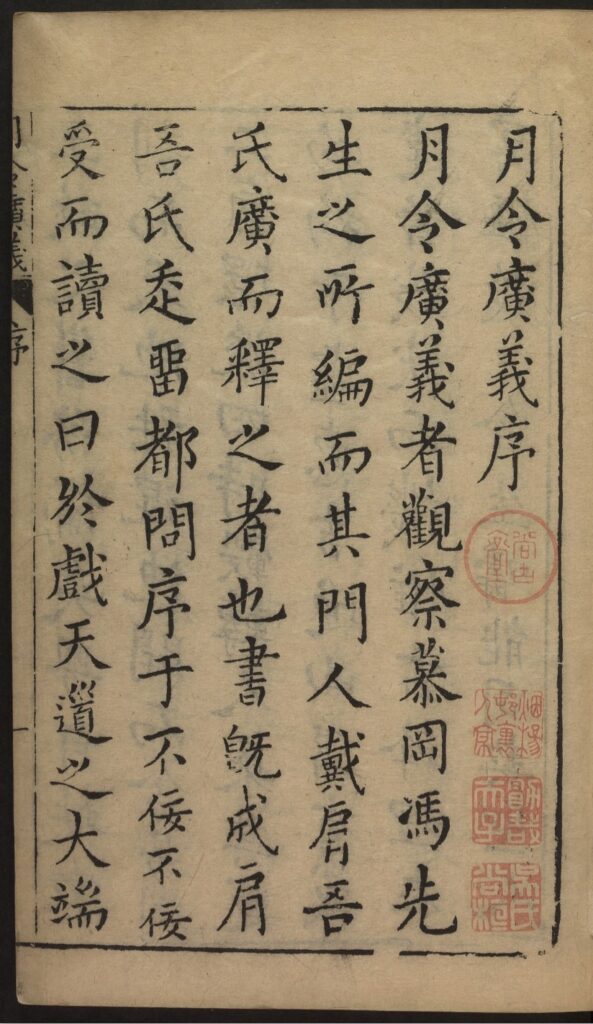
月令廣義。二十四卷。明。馮應京纂輯
二十二日
赤口。小空
(注:赤口指口舌是非)
天尊降
太平護國
(注:天尊意指古人對上天敬稱)
降生
重陽全真。開化真君
(注:道教全真派創始人。被尊為全真五祖之一)
二十三日
小吉。小空
岳降
五岳神君下降人間
(注:中國古代民間信仰的山神)
二十四日
空亡
交年節
《歲時記》是日為交年節
(注:意指新舊歲交替。宋代以十二月二十四為交年節)
祀鬼神
《大明一統賦》注臘月二十四日串交年。民間祭門。祭井。祭竈(灶)謂竈神是日上天奏事故禱之日。郡國俗尚不一。大扺于是日祭祀各從其所傳來為規。
祭祀祖先
東吳舊俗以是日供具。迎祀闔家祖宗。一切殤亡至除夕
送竈
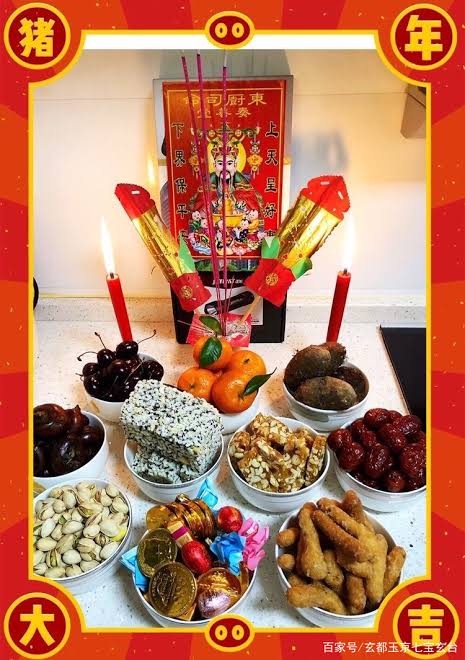
燕城俗刻馬印為竈。馬士民競鬻(煮)焚之竈前為送竈君。上天別具小糖餅奉竈君。具黑豆,寸草為秣馬具。合家少長羅拜。祝日辛甘臭辣竈君莫言至次年元旦。又具如前為迎新竈。
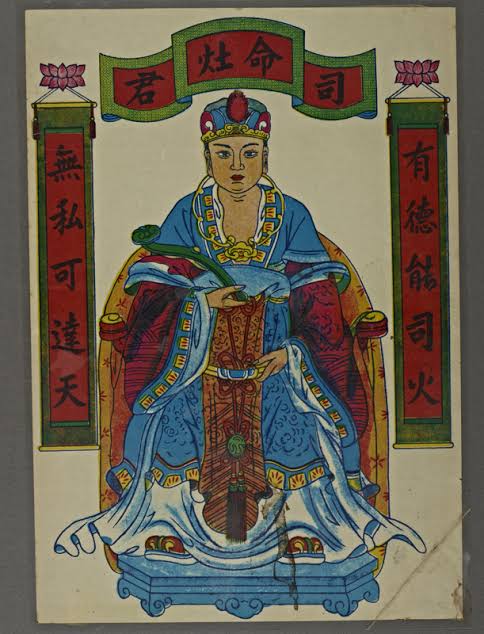
醉司命
《夢華錄》都人于交年日。以酒桮(同杯)供竈門謂之醉司命。又與除夕同。祀竈之儀有用牲者而通俗。惟齋供過半。今按太常用牲醴。而古人有黃羊白雞豬首之祀。况疾疪百味。而祀竈獨齋供乎。
Twenty-second day
Forecast: an argument day.
People in the ancient time, they worship and respect the sky at the upmost standard (this is due to their faith that all their resources are from the sky and if good weather thoughout the whole year then they can have a good harvest). They believed the Lord of Heaven visited them on this day for a year-end blessings.
One of the Taoist founder was born on this day too.
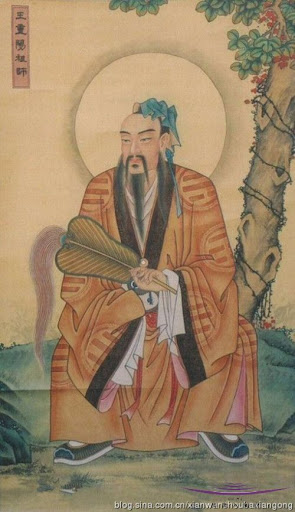
Twenty-third day
Forecast: slight auspicious
Apart from the Lord of Heaven, ancient people praised the Lord of Mountains too. The Lord of Mountains visited the people on this day for another year-end blessings.
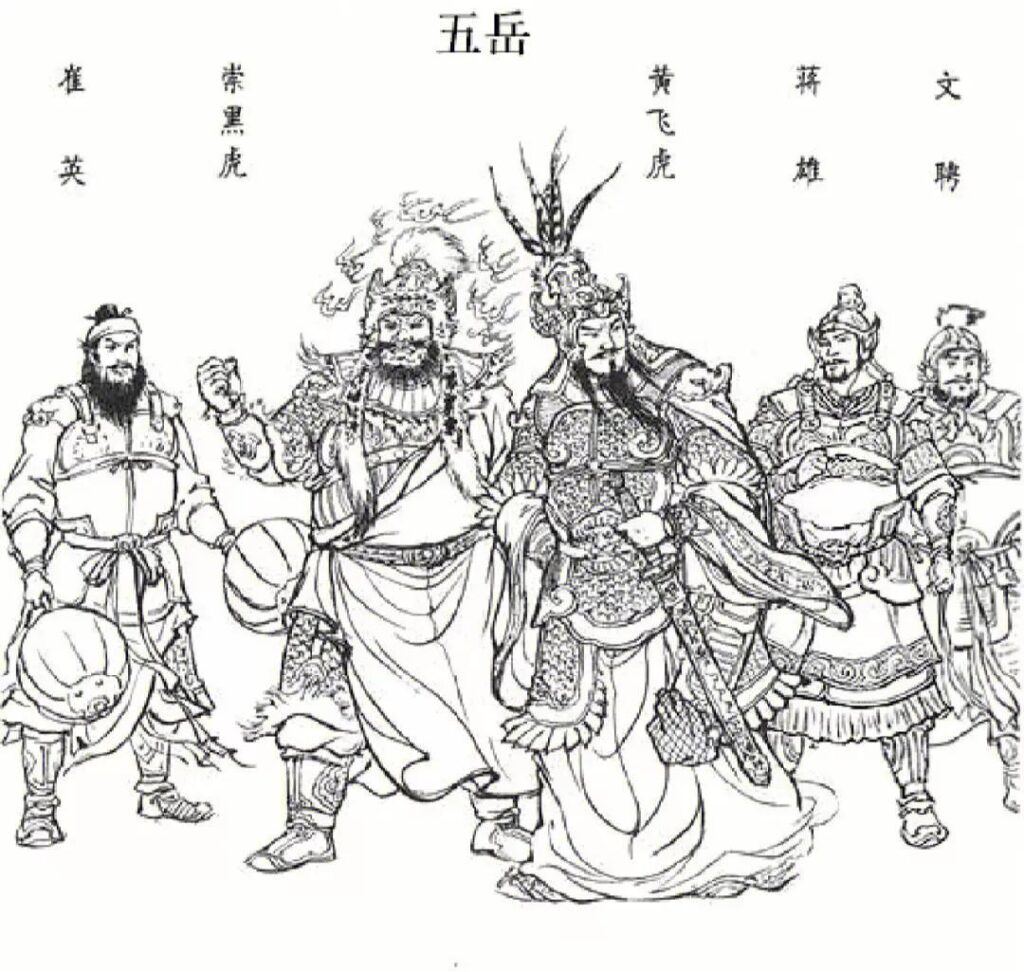
Twenty-forth day
Forecast: empty day
According to the Song Dynasty traditions, they set this day as the new years eve.
On this day, ancient people will praise the Lord of Stove at this time of the year annually. Since the stove is an important asset of every household at those times. If the status of their stoves were perfect, their food supplies were guaranteed and this is an successful year. At those times, techniques and resources were not as plenty as today.
On this time, ancient people believed the Lord of the Stove will go back to the heaven to report the performance of the household for the past year. As a result, people did not want the Lord of Stove to say something bad about them to the Lord of Heaven, they will use sweets and biscuits to praise the Lord of Stove and make him happy, this will last until the next year when the Lord of Stove return to guard their stove.
文化篇。丑。臘月。十九。二十日。二十一日 Nineteenth, Twentieth & Twenty-first day of Chou month ~ 30 days countdown to the New Year
月令廣義。二十四卷。明。馮應京纂輯
十九日
大安。大空。四不祥
(注:大空指空亡,大安指事事昌)
坡仙生日
蘇子膽十二月十九日生。置酒赤壁下酒酣。篴聲穿雲裂。石起江上使人問之。乃李進士聞坡生日。作鶴南飛曲以獻之。
(注:意指宋。蘇軾,號東坡居士。文才蓋世)
二十日
留連。竜禁
(注:指事難成)
天師交道
天師相交行道。忌戒夫婦同寢
二十一日
速喜
仙佛
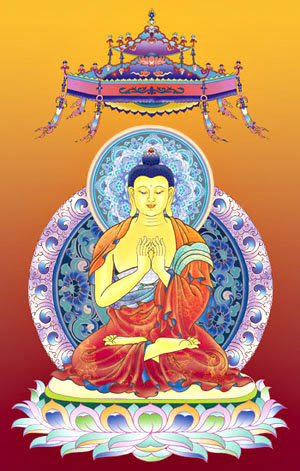
多寶佛生。諸天上真朝元始
蒙國起兵
詳雜紀中
On the nineteenth day, today is forecast a normal day, not to do anything brand new or risky.
On this day, is the birthday of a great writer of the Song Dynasty. On this birthday, a wine party was arranged in the wild and people were singing loudly too.
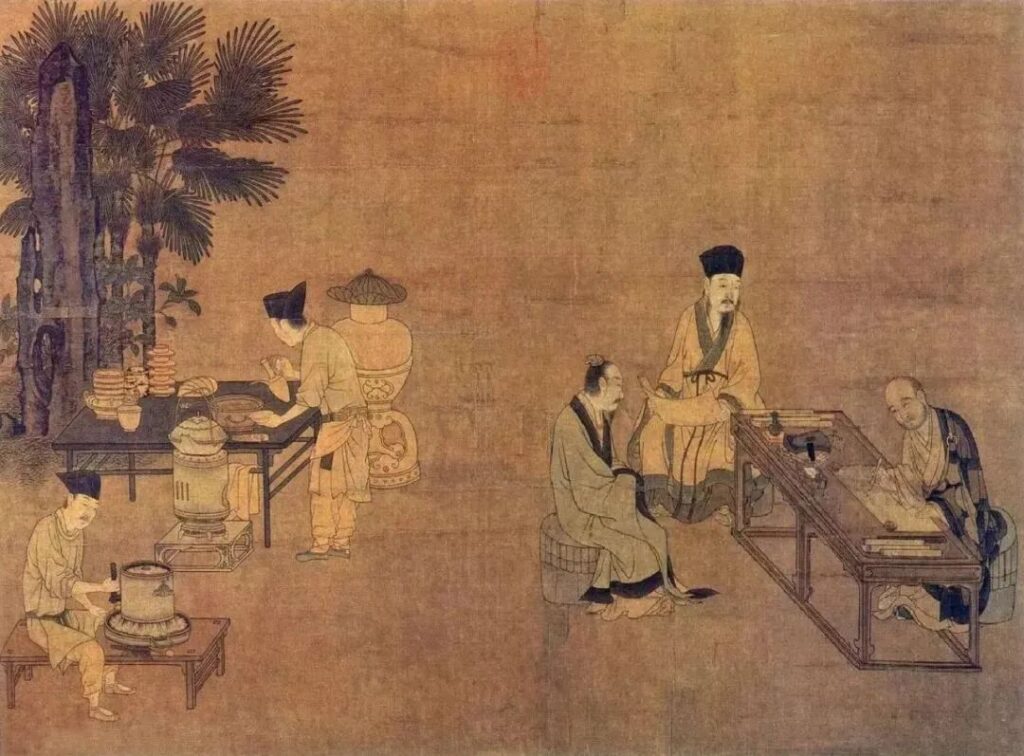
On the twentieth day, today is not an auspicious day too.
On the twenty-first day, today is the birthday is on of the Lord in the Buddhist religion.
文化篇。丑。臘月。十六日,十七日、十八日 Sixteenth, Seventeenth & Eighteenth day of Chou month ~ 30 days countdown to the New Year
月令廣義。二十四卷。明。馮應京纂輯
十六日
赤口。四不祥。忌上官
星迥節
《玉溪編事》南詔以十二月十六日為星迥節。是日登避風臺。命清平官賦詩。彼國謂詞臣曰。清平官天子曰震旦。
天竺臘日
《西域諸國志》天竺國以十二月十六日為臘則麥熟。
十七日
小吉。天乙。絕炁
仙降金壇
太微玄清左夫人與太天人降句曲之金壇
十八日
空亡
降聖
老君降。北斗降
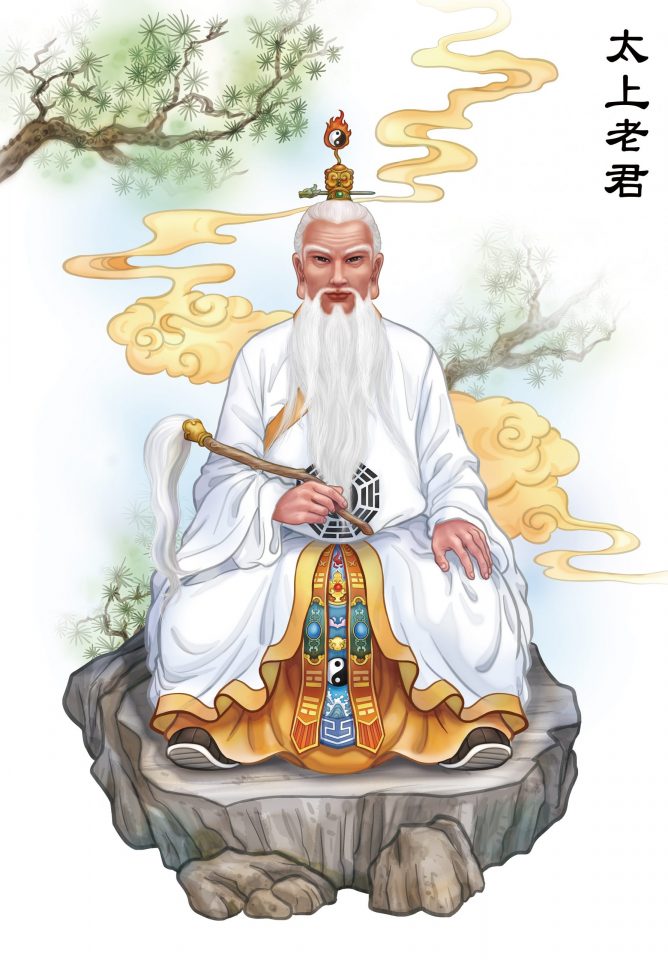
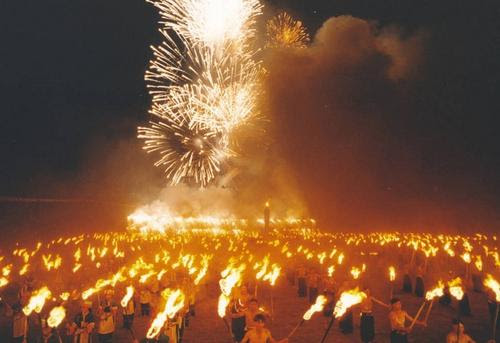
Sixteenth day of Chou month, this is the second half of the last month of the year. On this day, it is forecast only a normal day and can easily trigger arguments between people. Moreover, this day is not preferable for starting a new job.
This is the bomb fire festival for some of the national minorities in ancient Chinese society. On this day, people set bomb fire as a blessings and ceremonies for hoping good harvest and strong crops for coming years.
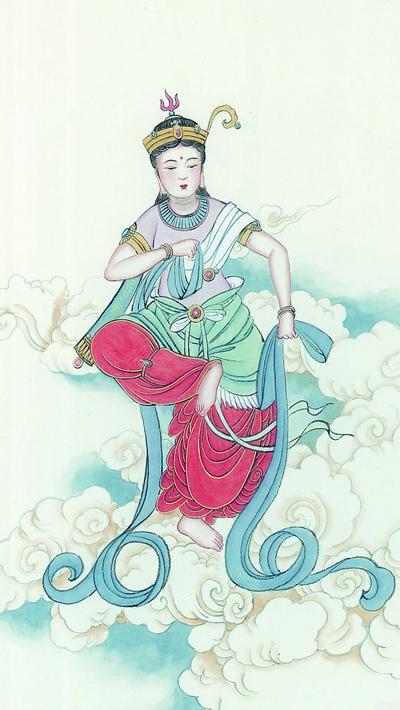
Seventeenth day
Forecast a slightly auspicious day with lucky star shining.
A Taoist saint visited the human on this day for blessings.
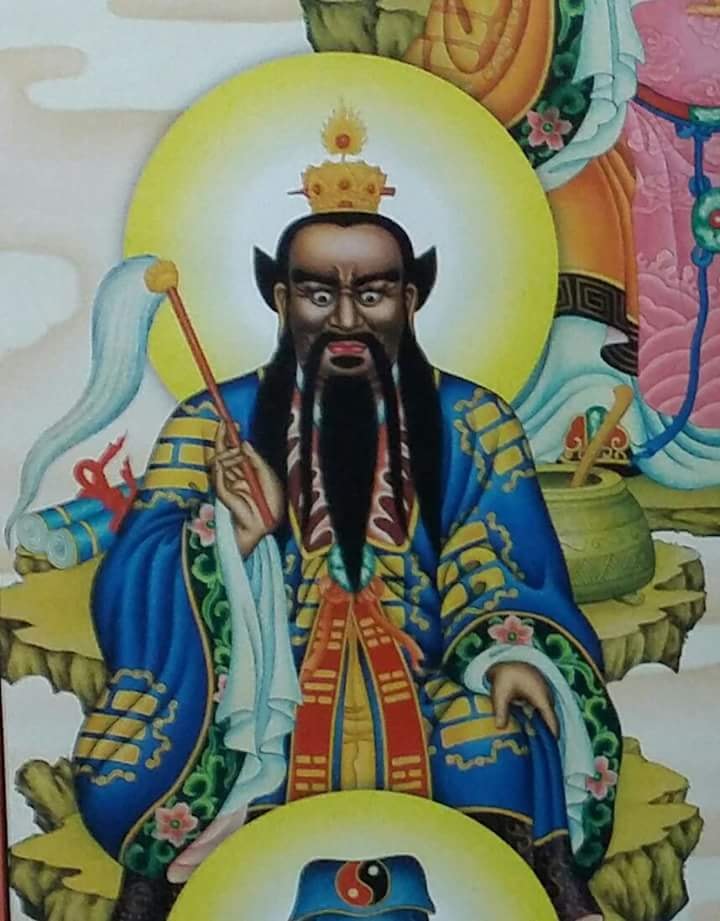
Eighteenth day
Forecast. Empty today.
The Lord of the Northern Dipper visited the human today for blessings.
文化篇。丑。臘月。十三日。十四日。十五日 Thirteen, fourteen and fifteen day of Chou month ~ 30 days countdown to the New Year
月令廣義。二十四卷。明。馮應京纂輯
十三日
大安
(注:意指一切順利)
神會
天元。太乙朝元。天帝遊東井
(注:太乙朝元謂太乙救苦天尊)

十四日
留連竜(竜同忌日)禁。長星瘟星出。
忌。交易。裁衣
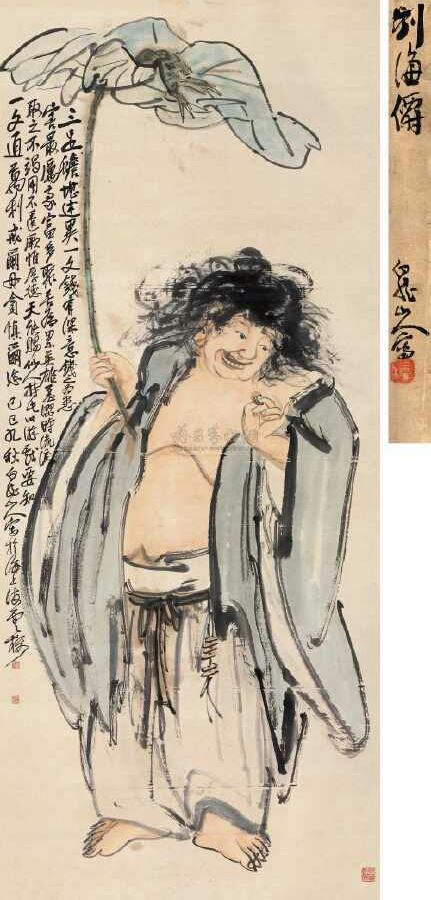
海蟾誕日。明悟弘道真君
(注:海蟾為劉海蟾,民間相傳謂偏財神)
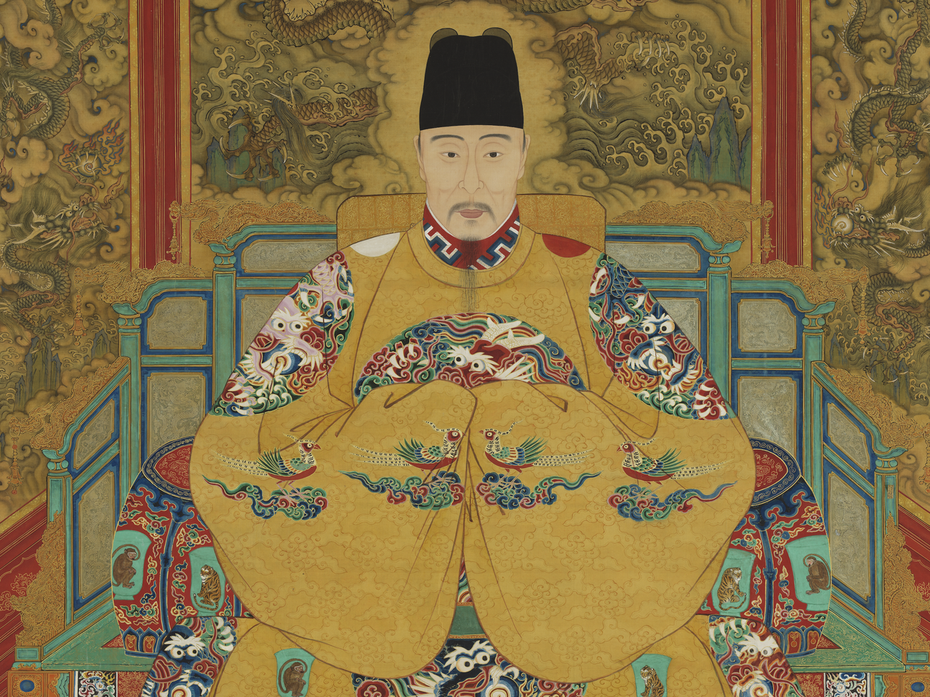
永陵世宗肅皇帝忌辰
嘉靖四十五年世系作十五日忌
(注:明朝第十一代皇帝,人稱嘉靖皇帝)
十五日
速喜。小空
(注:速喜意指速有喜事發生。小空意指諸事小不順)
景陵貞惠安和景皇后忌辰
景泰后。不忌
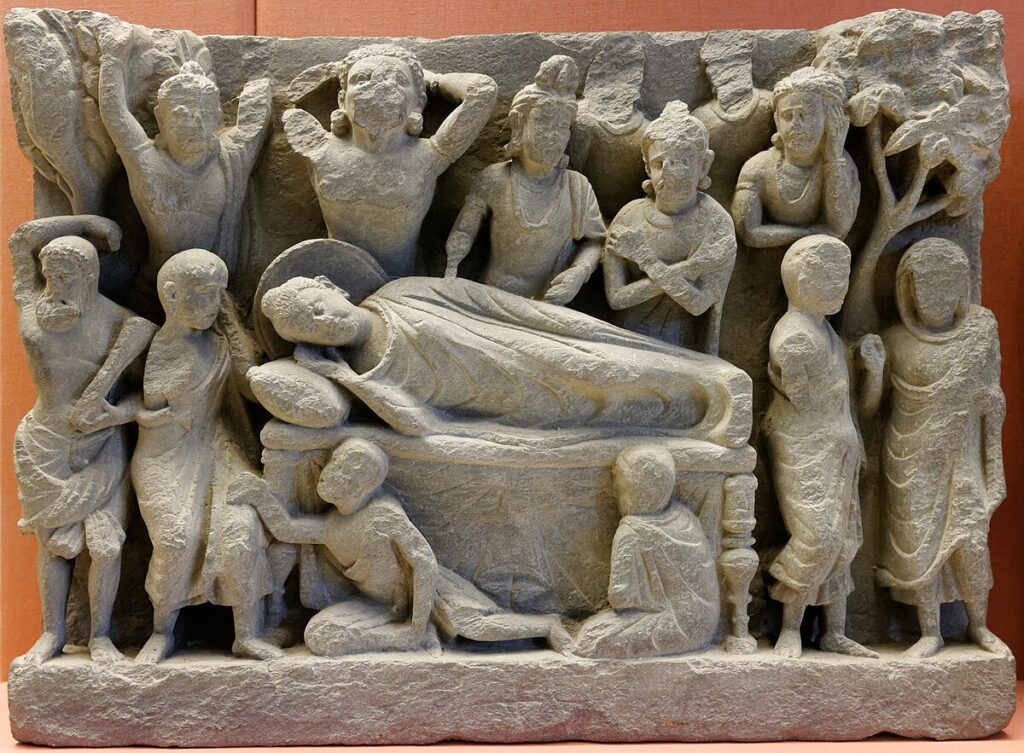
佛𣵀槃
《破邪論》周穆王五十二年十二月十五日暴風忽起。林木傷折。大地震動。西方有白虹十二道。南北通過連夜不滅。穆王問大史:扈多對西方大聖人滅度衰相現爾。此時佛𣵀槃也。
木塔祭天
古城國十二月十五日城外縛木塔。王及人民以衣物香藥置塔上焚之以祭天。
斗降
西斗星君
Thirteen day
Auspicious day ~ this is good for most of the activities.
Fourteen day
Forecast today is just a normal day, not good for complicated activities, especially visiting the tailor to make clothes and trading.
Today is also the birthday for the God of Wealth.
Also the birthday of the late Ming dynasty the eleventh emperor.
Fifteen day
Forecast today is slightly auspicious.
Today is also the day when Buddha lived forever without death. According to mythology, on this day wind became very strong all of a sudden, trees were broken and earthquake happened later. After that, there were twelve rainbow in the west, then the Buddha became forever life.
文化篇。丑。臘月。初九。十。十一。十二日 9th, tenth, eleventh & twelfth day of Chou month ~ 30 days countdown to the New Year
月令廣義。二十四卷。明。馮應京纂輯
初九日
速喜。長星。天地凶敗
忌。裁衣。交易
(注:速喜主有喜事。天地凶敗主忌出軍、應試、赴舉等)
初十日
赤口
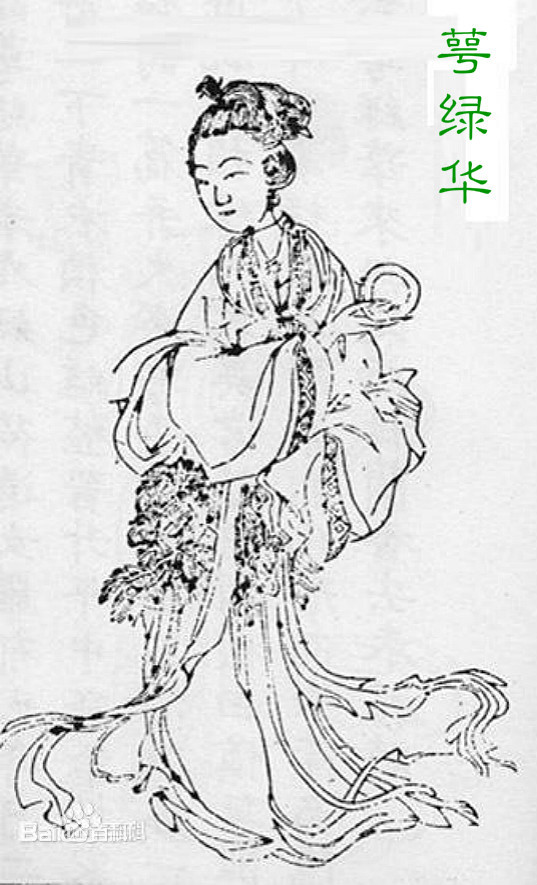
女仙降現。蕚綠華
(注:赤口主口舌,是非。蕚綠華為道教仙女)
十一日
小吉。天空。瘟星入
(注:小吉祥意,有人來報喜等事。天空為虛詐之神,代表詐偽,不實在)
十二日
空亡
百福日。道經
朝真。太素,三元君朝真
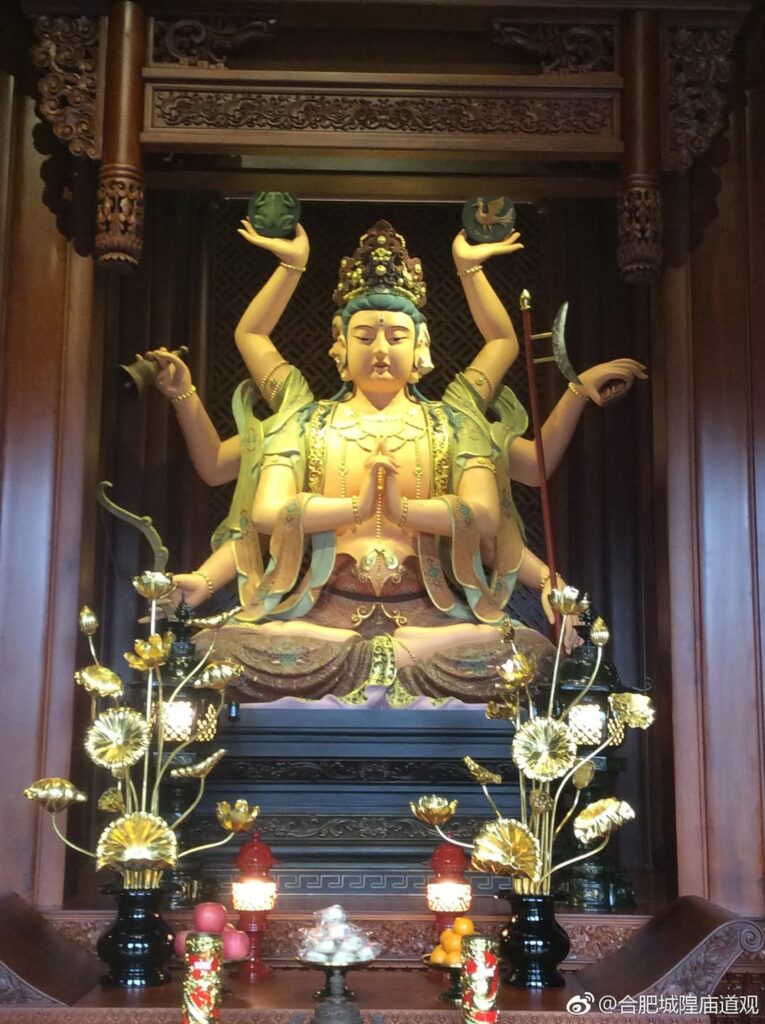
玉霄琳房。玉晨,大道
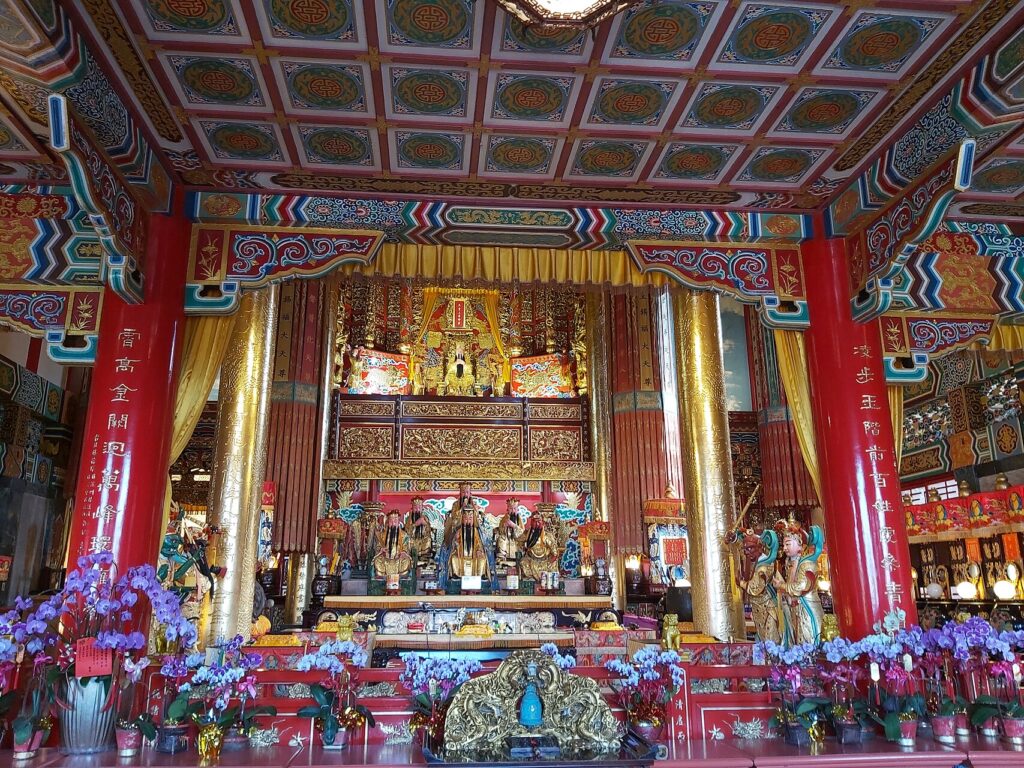
(注:百福日謂太素三元君朝真,三素元君,在道教有地位神衹)
The ninth day, forecast an auspicious day, but not suitable for attending examinations, trading, going to the tailor.
The tenth day, forecast likely to argue with people. According to taoist mythology, a taoist angel will come to visit human for blessings.
Eleventh day, mild auspicious day.
Twelfth day, empty, no obvious forecast. This is the birthday of one of the taoist lord.
文化篇。丑。臘月。初八 8th day of Chou month ~ 30 days countdown to the New Year
月令廣義。二十四卷。明。馮應京纂輯
初八日
留連竜禁
(注:留連指事情不順,難處理)
臘八
以臘月八日故曰臘八。凡臘四十日而以此日為勝。
王矦臘
《瑣碎錄》正臘日及臘八日。皆曰王矦(同候)臘。忌夫妻房事。
(注:五帝校定生人處所、受祿分野、降注三萬六千神氣。其日可謝罪、求𨒂年益壽、安定百神沐浴、祭祀先亡等,令人所求從願,求道必獲。此日不得聚會飲樂。)
釋伽佛
《傳燈錄》釋伽佛于檀持山中。學非非想。于十二月八日成佛。
百福齋
《內景經云》臘月八日。互修百福齋。
設浴
《譬喻經》佛臘月八日。降伏六師投佛。請死言佛以法水洗我心垢。令我請僧洗浴以除身穢。仍為常緣則設浴之事。西域舊果品也。亦今灌佛之始。
浴佛
宋元是日都城諸寺。作浴佛會。併送七寶以諸果品五穀煮粥謂之臘八粥。
臘八粥
見上又今俗于臘八日。以諸穀米菓煮粥相饋。謂逼邪袪寒郤疾毒。
等正覺
《佛藏》太子是年十二月八日。夜解盡生死已斷。明星出時霍然大悟成等正覺。
(注:意指至高無上正確徹底的全面覺悟。佛教修行最高覺悟。最高涅槃境界。此者興成佛無異)
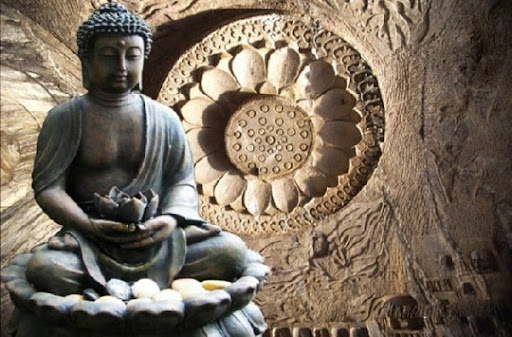
浴罪障
《荊楚歲時記》八日沐浴𨍭除罪障
貯神水
《救人方》臘中貯水來年治一切疾病。製飲食臘八日水尤神。
浴蠶連
桑柴灰淋冷浴掛
縣豬脂
或板油膏指縣風處以備熬膏。藥解毒諸需用。又懸脂或油四兩于廁。則夏月無蠅。
收鱖魚
(農桑撮要)臘八日收鱖魚。燒存性研細用酒調。服治小兒瘢疹。不出即發。更懸置厠上。不生諸蟲。
Today comes to the 8th day of Chou month. For those previous days, it is focused on the traditions of Taoist, and on the 8th day, since this is the day when Shakyamuni became the buddha, so this day is for the Buddhist traditions.
Overall forecast for this day is not a good day for most of the things. Just carry on normal life, no particular things should arrange for this day.
For taoist, according to mythology, the Five emperors of the Taoist, their jobs for this day is to evaluate the performance of people for the past year and set the rewards or punishment. That’s why this day is not for gatherings or events.
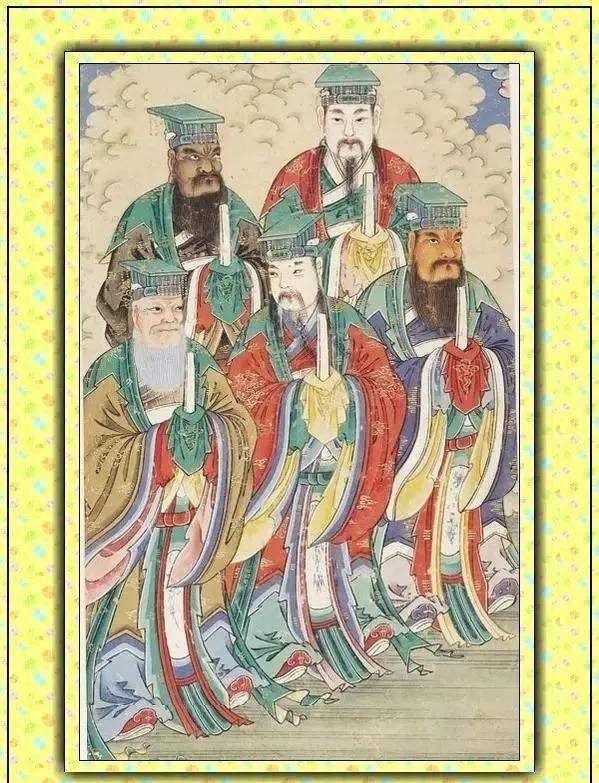
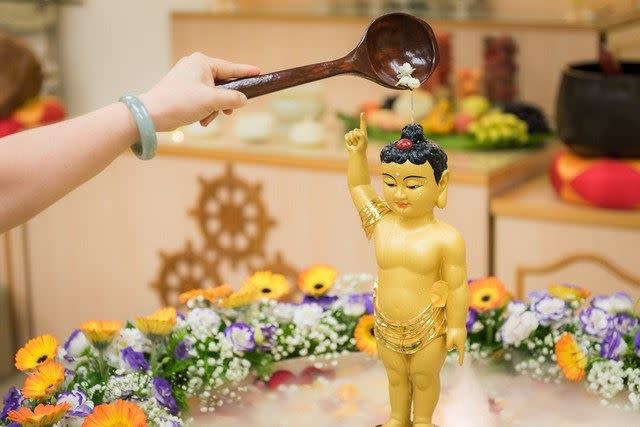
Buddha Bathing ceremony is on the 8th day too. On this day, people used cleaned water to bath buddha statue, they believed that by doing so can help to purify their mind and wash away their sinful acts.
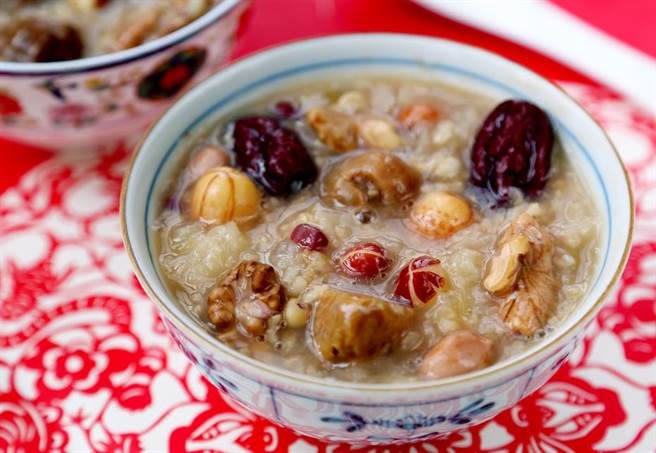
8th day congee is also famous tradition for this day. This is also a Buddhist tradition. They use various grains with fruits can cook them into a congee. They believed by eating this congee can help to fight all sickness away.
Moreover, this day also has some agricultural traditions.
People will put lard block and dry it outdoor. They will save it later when they need to make a special kind of medicine as for a poison cure. This is also good to hang in toilets, using its smell to scare off bugs.
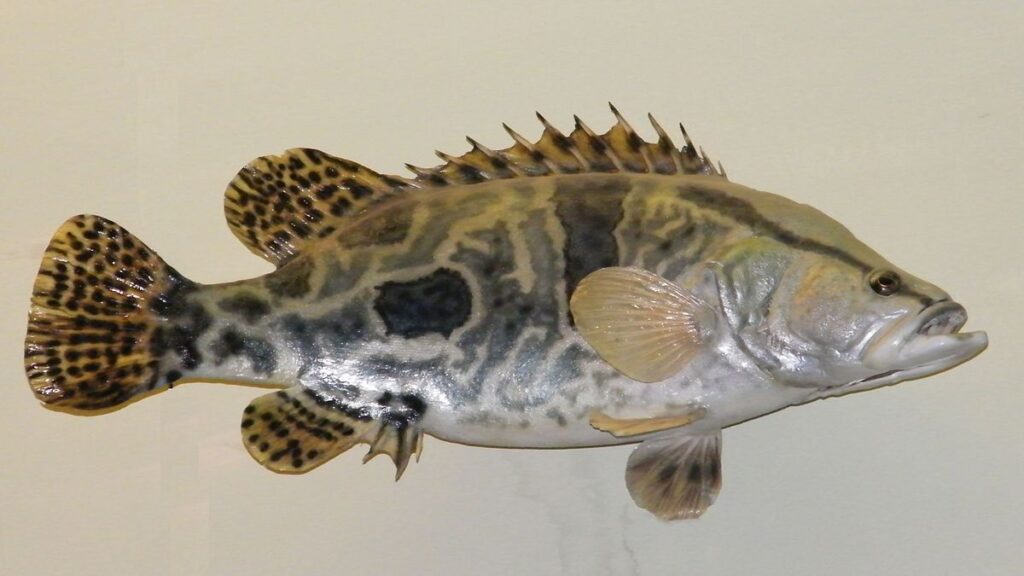
Fishermen will catch Chinese Perch fish (桂花魚) on this day, cook it with cooking wine and this is believed good to cure children’s skin rash.
文化篇。丑。臘月。初五。六。七日 5th, 6th & 7th of Chou month ~ 30 days countdown to the New Year
月令廣義。二十四卷。明。馮應京纂輯
初五日
小吉。四方耗
(注:擇日凶神。忌開市。交易。納財。出行。造倉庫凶)
初六日
空亡
天倉開
(注:天倉開日。同開天門。指玉皇大帝開放天門。降臨人間巡視和𧶽予祝福。)
初七日
大安。小空。四不祥
(注:大安意指一切順利。小空。佛學。皆空而無有故為小空。四不祥日忌上官赴任)
浡泥歲節
浡泥國以十二月七日為歲節
(注:意指汶萊新年)
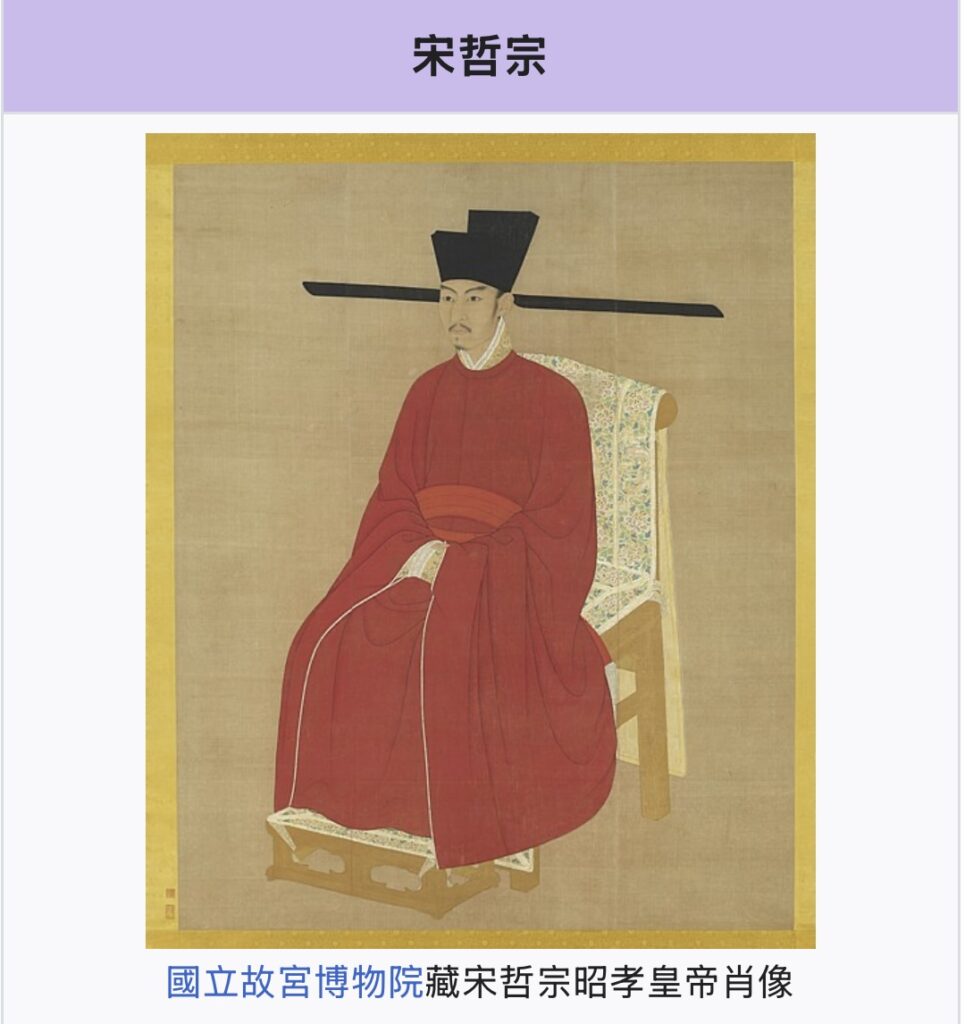
宋哲宗生
因避僖祖忌辰以次日為興隆節
(注:[1077年- 1100年,北宋第七位皇帝。僖祖為廟號,指數為君主。興隆節為宋哲宗誕辰)
忌
水陸遠行併忌夫婦事
Today we come to the traditions on the 5th, 6th and the 7th day of Chou month.
On the fifth, it was forecast that this is a non-auspicious day for grand opening of new business, traveling and trading.
6th day is empty and this is the day for the Lord of Heaven to evaluate the performance of all the people for the past year and who to receive blessings and whom for punishments.
7th day is forecast a smooth and lucky day but this is not a auspicious day for starting a new career.
This day is the birthday of the 7th Emperor of the Sun dynasty from year 1077-1100.
This is also the New year day for the Brunei country.
Not recommending taking long trip by ferry and couple affairs on this day.
文化篇。丑。臘月。初三、四日 3rd & 4th of Chou month ~ 30 days countdown to the New Year
月令廣義。二十四卷。明。馮應京纂輯
初三日
速喜大空
(注:招致喜慶之事。隨時用以占算凶吉福禍一種簡便方法。大空。空亡)
斗降
北斗。北極
(注:斗降日。北斗星君降臨的日子,道教認為此日行善,善報加倍,此日行惡,惡報加倍,或致削祿奪壽。)
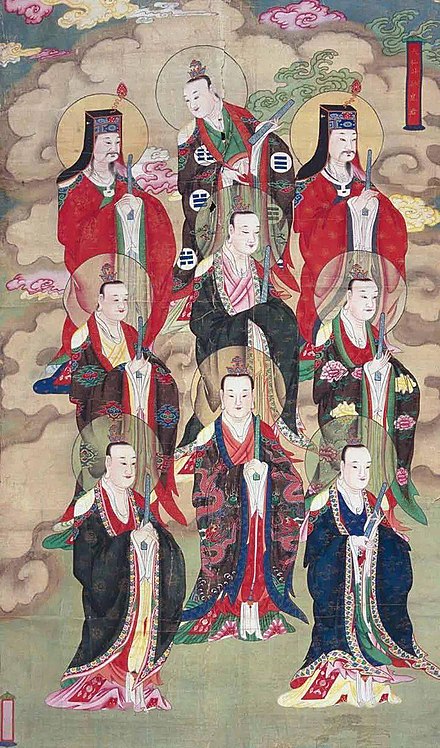
初四日
赤口。西。不詳
(注:口舌。與人吵架,會與人發生打官司告狀的事情,需防範)
顯陵慈孝皇后忌辰
嘉靖十七年𥈠宗蔣后
荅和奏仙
九壘土皇君詣荅和天奏仙名
(注:土皇是道教地神,即后土。土皇分九壘)
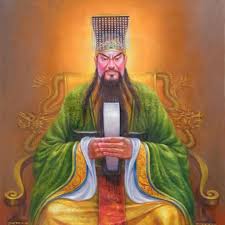
The third day of Chou month, people in ancient times believed this is the day for fortune telling, they would find out if it any lucky things will happen soon, but traditions told them, this is not a suitable day, since this will always ended up in negative answers.
Referring to taoist practice, this is the day for the Lord of the Northern Dipper to come to earth to evaluate on people. The main job of the Lord of the Northern Dipper is to mark the death dates of people according to their past behavior. Therefore, people believed that it is particularly important that they do not make mistakes or any wrong doing on this day.
Fourth day of Chou month, this is the days particularly important not to argue with others, or else, this will easily ended up in legitimate.
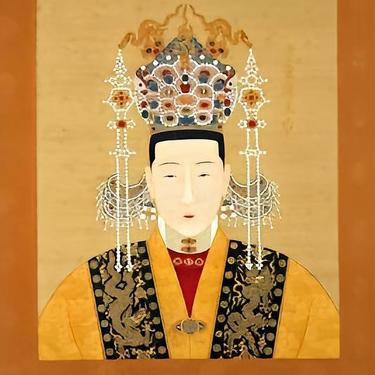
This day is also the birthday of the late Ming dynasty empress.
文化篇。丑。臘月。初二日 2nd of Chou month ~ 30 days countdown to the New Year
月令廣義。二十四卷。明。馮應京纂輯
初二日
留連竜禁忌。甲戌日
(注:留連。事情不順。難處理的意思。《康𤋮字典》龍古作竜)
勾曲羣仙
列子會羣仙于勾曲山
(注:茅山古稱勾曲山。位於江蘇省句容市和常州市交界處。是中國道教名山之一)
承天節
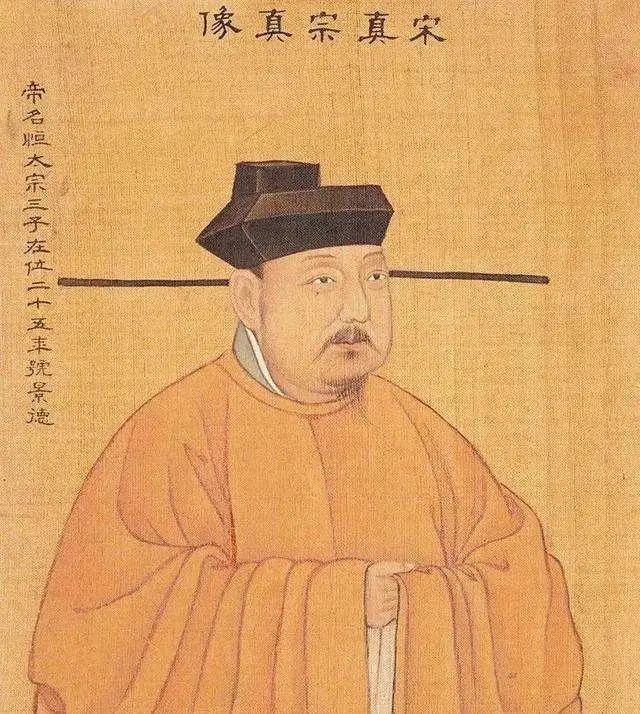
宋真宗生
(注:宋朝皇真宗帝誕辰)
白鶴橋
《統志》大茅君。每歲十二月二日。駕白鶴于句容縣東三里會羣仙有白鶴橋。
(注:大茅君。道教茅山派創教祖師)
山廟生辰
西殿
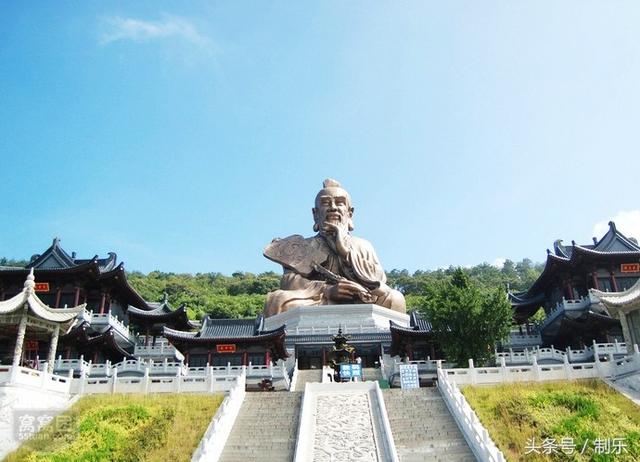
The second day of Chou month, today mainly is about the ancient traditions of the Tao religion in China.
Today is also the birthday of the late Song emperor.
文化篇。丑。臘月。初一日 1st of Chou month ~ 30 days countdown to the New year
月令廣義。二十四卷。明。馮應京纂輯
初一日
大安。地正。《三禮宗義》殷以建丑月為歲首曰地正
(注。古代曆法之一。出自《白虎通。三正》指殷代以丑月為正月的歷法。"十二月之時。萬物始牙而白。白者陰氣。故殷為地正。色尚白也。)
雞嗚朔
殷以地正為歲。雞鳴為朔。
(注。雞鳴:指天明之前。十二時辰第二個辰。後以地支來稱為丑時)
(注。朔:陰曆每月初一稱為"朔"。古人以新月初現為一月之始)
地統
商正建丑為地統
(注。奉建丑為正朔「以農曆十二月為正月」的王朝)
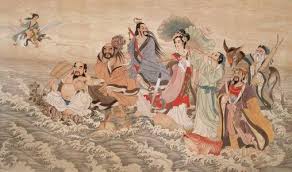
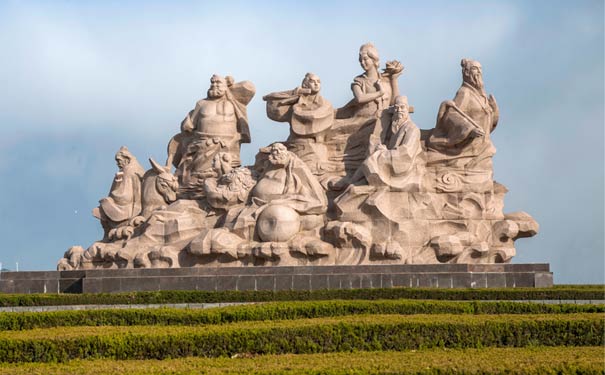
蓬萊會
八仙聚會蓬萊之辰
節令篇。小寒十二月篇 Winter solar term ~ Minor Cold
月令廣義。二十四卷。明。馮應京纂輯
小寒十二月節
《孝經緯》冬至後十五日。斗指癸為為小寒。十二月節。陽極陰生乃為寒。今月初寒尚小也。
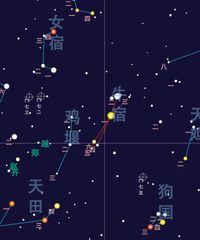
日在須牛
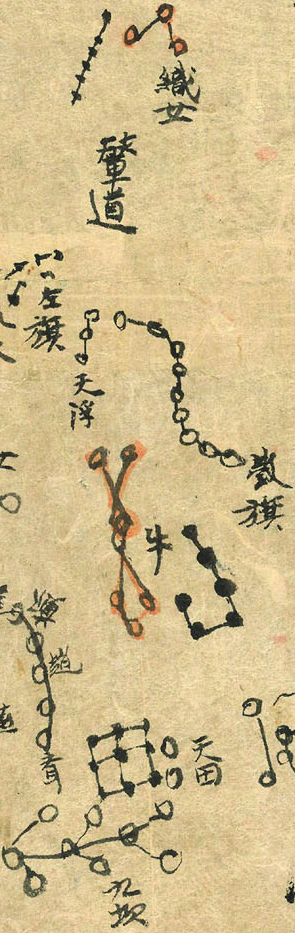
牛宿(注。牛金牛。二十八宿之一。北方七宿第二宿)去極一百一十二度。
日出入
出卯辰。入申酉
三候
小寒之五日。雁北鄉

次五日。鵲始巢
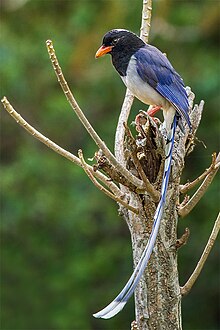
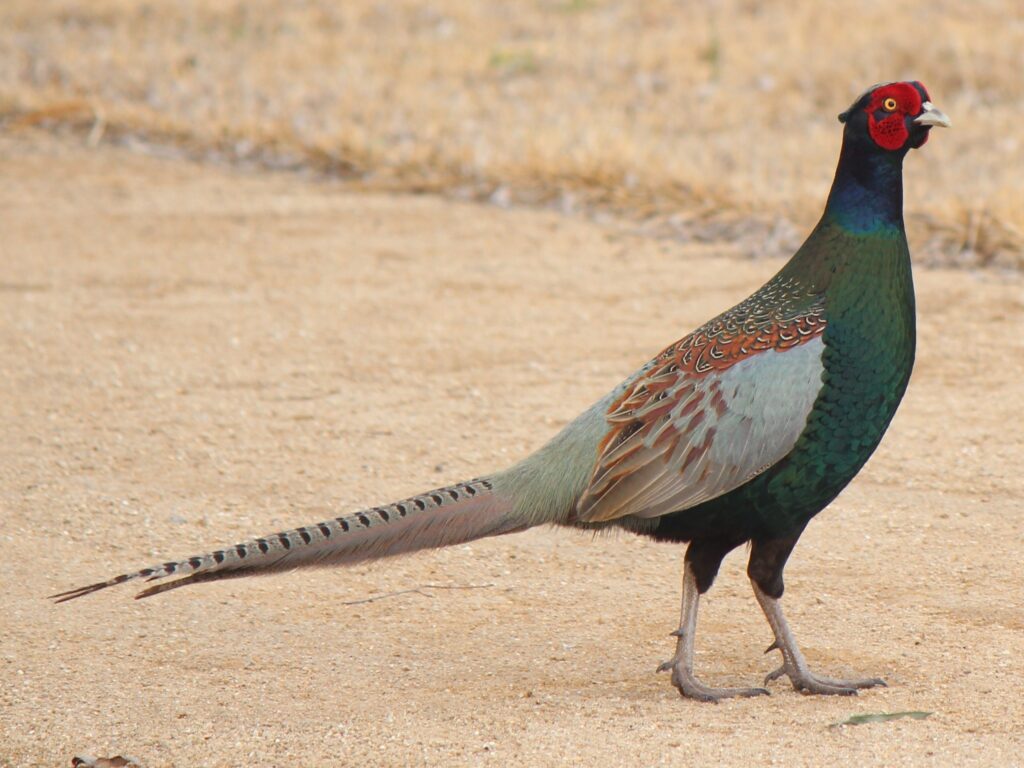
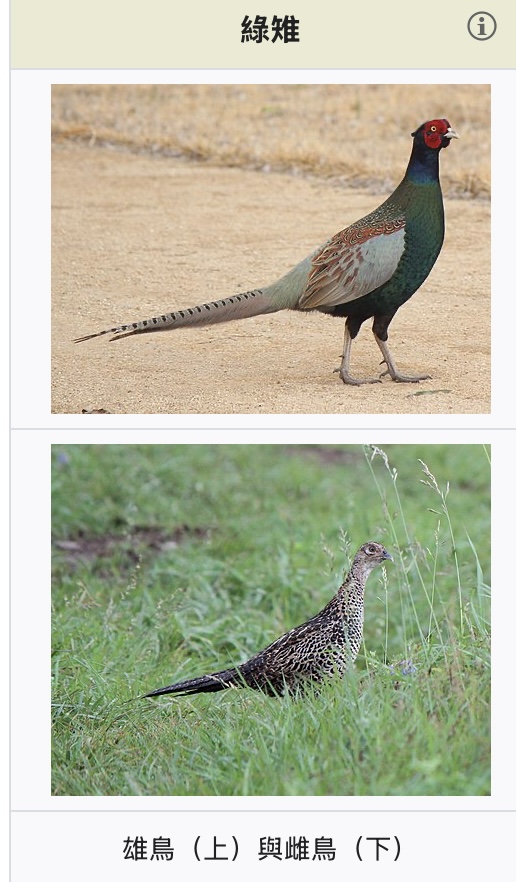
次五日。雉始雊梅花開。
水旺
小寒專用水。
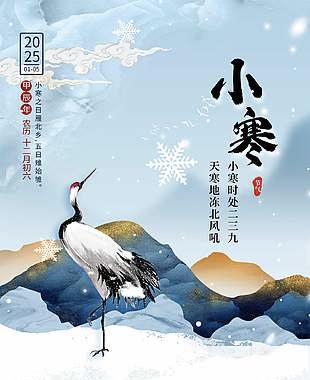
Minor cold is the fifth solar terms of the winter season. When it gets to minor cold, it is the twelve month of the agricultural calendar of the year. This is the last month of the whole year and the next month is Chinese New Year already.
Fifteen days after winter solstice, the tail of the Big Dipper is pointing the Gui direction (north), it is Minor cold, this is yet the coldest time. Cold appears when the ‘yin’ kicked in after the maximum strength of ‘yang’ has passed.
The sun will come out at direction Mao (east) and set in direction ShenYou (west).
The first five days big birds which migrated to the south to avoid the coldness, they will move according to the ‘yang’ energy (warmth), by this time, they sensed the ‘yang’ energy in the north is coming back, so they started to move back.
The second five days, is about another bird; Saulary 鵲; they also sensed that the yang energy is coming back, so they started to knit their nest again.
The last five days interval, is about the Green pheasant, they also sensed that the yang energy is gradually building up, so they started to sing all the time as they are getting active.
At Minor Cold, water energy is dominated during the season.
文化篇。臘日 Culture series ~ Year end God worship dates
歲時廣記。四十卷。南宋。陳元靚撰
歲時廣記卷之三十九卷
臘日
許慎說文曰。冬至後三戌為臘。嘉平祭部云漢改為臘。
臘者。獵也因取獸以祭也。 玉燈寶典云。臘者祭先祖蜡者。
報百神同日異祭也。何以用臘。聞天師曰。帝王各以其行之盛。
而祖以其終而臘。
水始於申盛於子終於辰。故水行之君以子祖辰臘。
火始於寅盛於午終於戌。故火行之君以午祖戌臘。
木始於亥盛於卯終於未。故木行之君以卯祖未臘。
金始於巳盛於酉終於丑。故金行之君以酉祖丑臘。
土始於未盛於戌終於辰。故土行之君以戌祖辰臘。
請蜡百神祀社稷享宗廟用臘日。
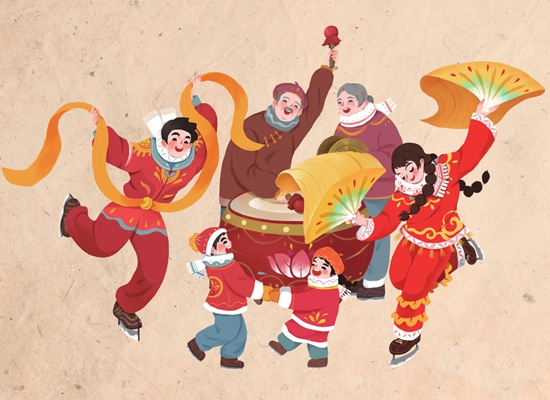
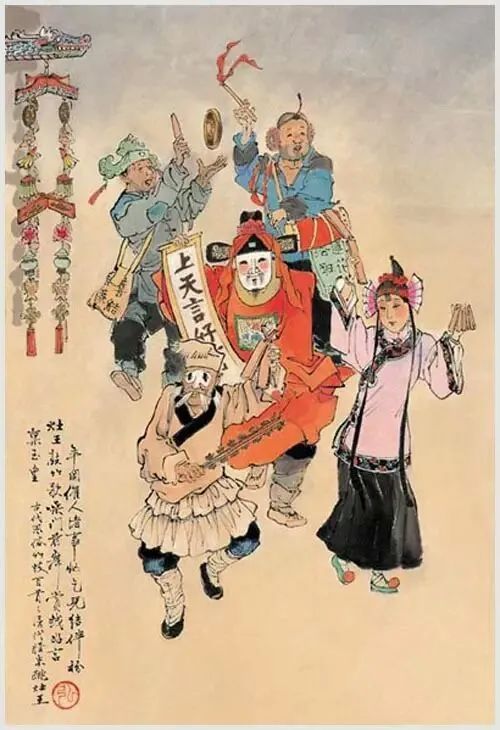
Winter solstice marks the middle of the winter season, fifteen days later is the last month of the year and winter. This is chou month (丑月). According to traditions, people in the ancient society, this is the prime time for God worshipping, they carried out all sorts of religious ceremonies at this time. As well, since this is the end of the whole year, the emperor will evaluate the performance of various people and was the time for glorification or otherwise for taking the blame to responsible parties in front of their gods.
According to ancient book, the three Xu days (戌日) after Winter solstice was the days for God worshipping. People will kill an animal as a sacrifice for the God during the ceremony.
For water year (the year with a water earthly branch), they will worship their water element Gods.
For fire year, they will worship their fire element Gods.
For wood year, they will worship their wood element Gods.
These are the same for the rest of the two elements.
文化篇。冬至日(2)Winter Solstice (2)
月令通考。明。盧翰撰
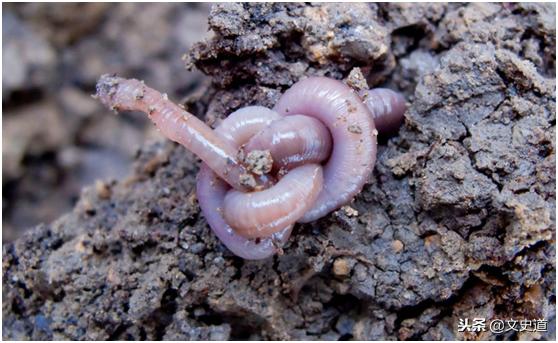
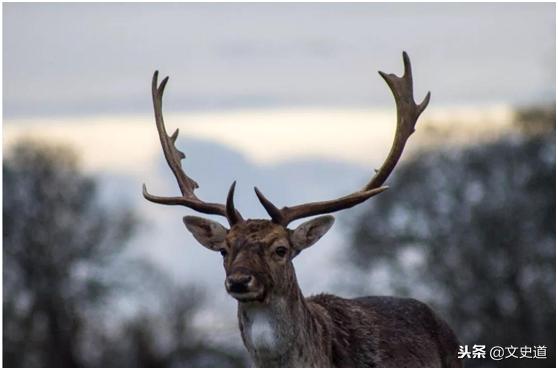
冬至之日。蚯蚓結。又五日麋角解。又五日水泉動。
仲冬之月。六陰極盛。一陽未復乃陽陰交會之時。故謂之冬至。
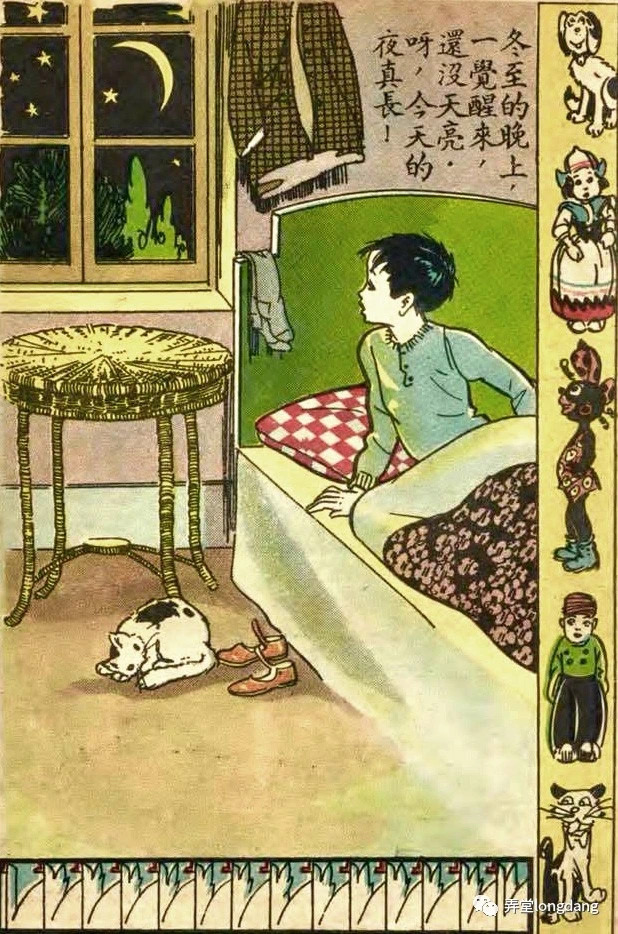
夜長而晝短。乃十一月之中氣也。
復十有一月之卦也。天地生物之心幾于滅。至此乃復可見。
冬至陰之極。子為正陰之位也。一之日謂斗建子。一陽之月。感極風寒也。
十一月乾之初九。陽氣復于地下始著。為一萬物萌動。鍾于太陰《前律曆志》
陽生于子。陰生于午。陽生于子故十一月曰冬至。鵲始加巢《淮南子》
日冬至則斗北中。繩陰氣極。陽氣萌故曰冬至為德 《淮南子》
Winter solstice (Part 2)
When time gets to winter solstice, this is the middle of the second last month of the whole year and the middle of winter season. This is Zi month 子月, both water and ‘yin’ energy are both strong and obvious now.
There are three physical signal from the nature confirming this. The earthworms are turning into a knot shape. People in the old times believed that worms are straight when yang energy is strong, and will turn into a knot shape when the yin energy is strong.
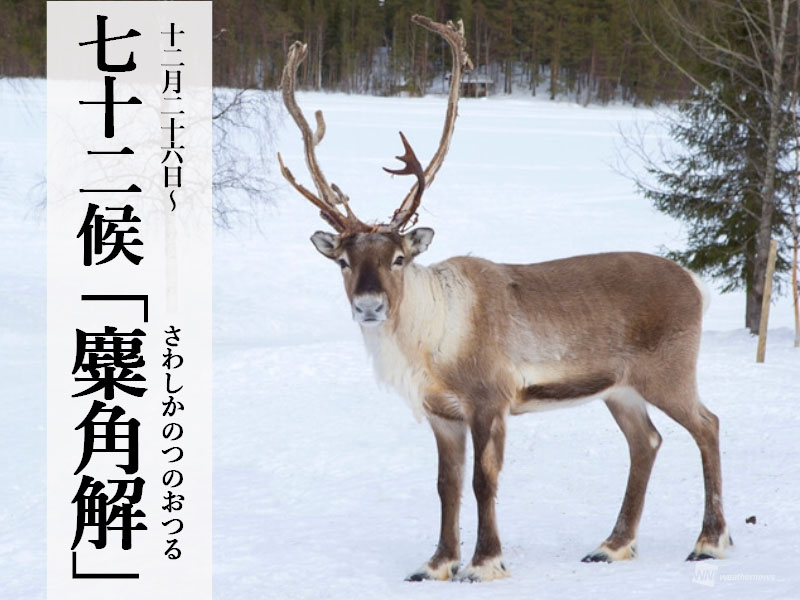
During the second five days, the horns of reindeers are not growing any longer. This particular species of reindeers with horns pointing backward, this is symbolizing ‘yin’, therefore during this time, when the first trace of ‘yang’ energy became visualized, then their horns will stop growing until the next season.
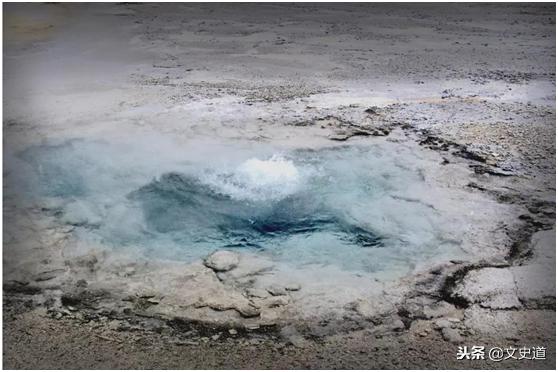
Then finally the last five days, as ‘yang’ energy is picking up, the underground water fountain became active and warm again.
文化篇。冬至 Forth winter solar term ~ Winter Solstice
歲時廣記。四十卷。南宋。陳元靚撰
冬至
通曆及高氏小史曰。地皇氏以十一月為冬至。
曆義疏云。冬至十一月之中氣也。
冬至者。極也。太陰之氣上於陽。太陽之氣下極於地。寒氣已極故曰冬至。
氣當易之是以王者。閉閭商旅。不行以其陽氣。乘踊君壽益長。是以冬賀也。
亦以日之行天至於巽維。東南角極之於此。故曰冬至。
Winter solar term ~ Winter Solstice
When the time gets to winter solstice, it is the second last month of the year, month 11th, this marks the middle of the Zi month 子月 and the water energy of Zi month has reached a high level.
Winter solstice means it is deep winter already and the ‘yin’ energy is at the peak level, it also maximizes out the ‘yang’ energy in this month.
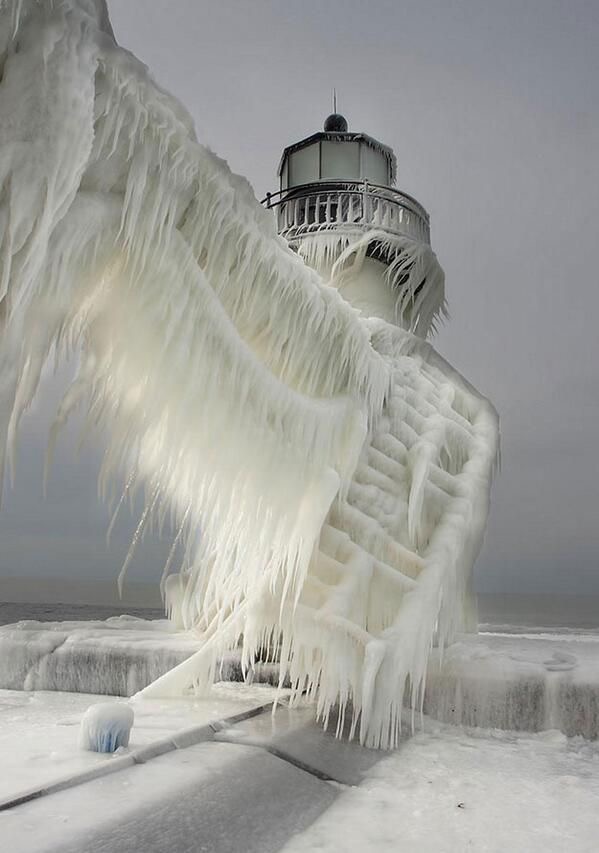
At this time, almost all the economic activities are stop due to the extreme coldness in the air, no transportations are to be seen.
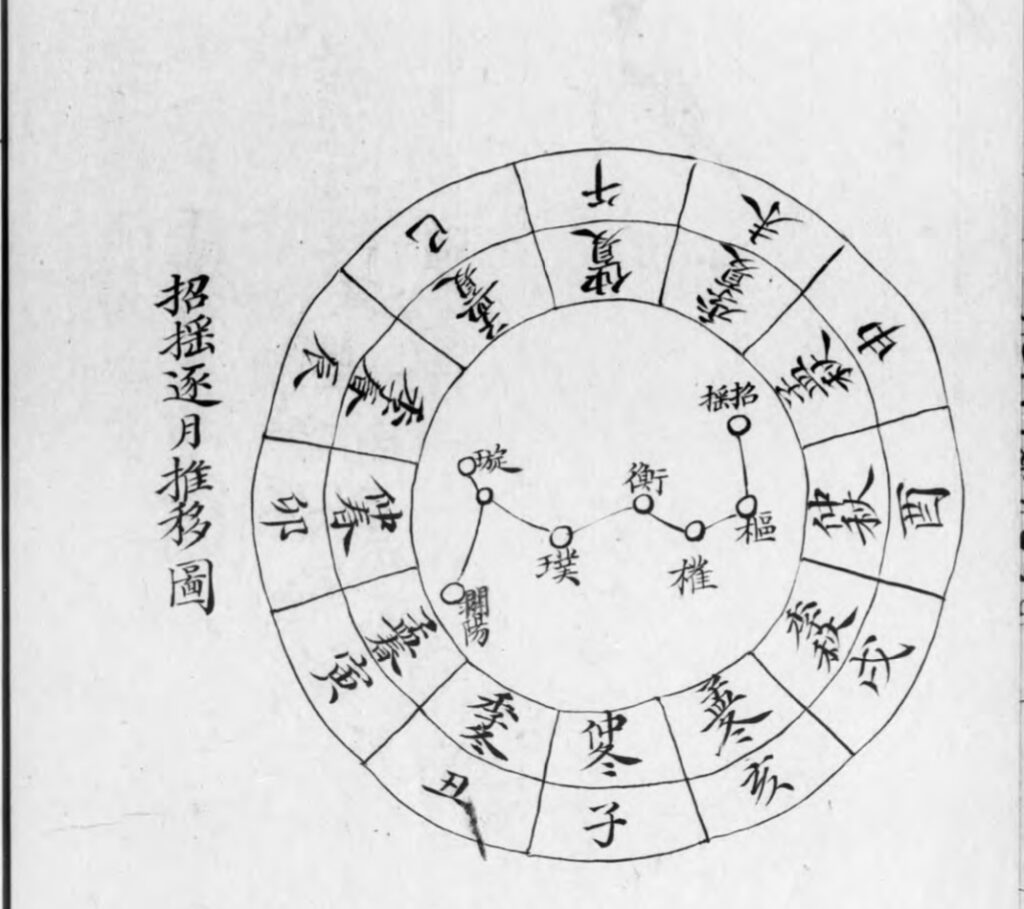
文化篇。天文招搖逐月推移圖 Tail of Northern Dipper movement indicates month changes
嵗時廣記。四十卷。南宋。陳元靚撰
《淮南志》
孟春招搖指寅。仲春指卯。季春指辰
孟夏指巳。仲夏指午。季夏指未
孟秋指申。仲秋指酉。季秋指戌
孟冬指亥。仲冬指子。季冬指丑
《漢志》云。閏月無中炁。斗餘指兩辰之間
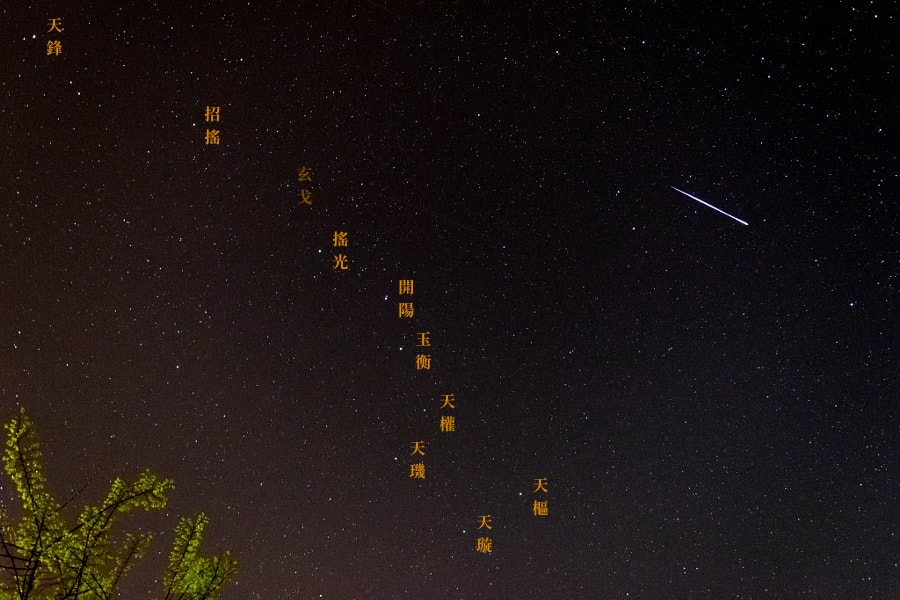
As we all know the name of the twelve earthly branches are also the name of the twelve calendar months of the year, but how come they share the same name?
According to a popular ancient Chinese astrology book, it wrote about a star called Seginus 招搖星. It belongs to the Northern Dipper and its near the tail. The Seginus is a flashing star since it’s sometimes bright and sometimes dim, therefore it looks like it’s flashing from time to time.
When Seginus is pointing direction Yin, Mao and Chen, it’s the three consecutive months of Spring season.
When Seginus is pointing direction Si, Wu and Wei, it’s the three consecutive months of Summer season.
When Seginus is pointing direction Shen, You and Xu, it’s the three months of Autumn season.
When Seginus is pointing direction Hai, Zi and Chou, its the three months of Winter season.
These twelve earthly branches also stands for directions too, as a result, when Seginus is pointing that direction, it’s the designated season of the year.
節令篇。大雪十一月節 Third winter solar term ~ Major snow
月令廣義。二十四卷。明馮應京纂輯
孝經緯》小雪後十五日.斗指壬為大雪。
十一月節。言積陰為雪。至此凜冽而大矣。
日出入
出辰入申
三候
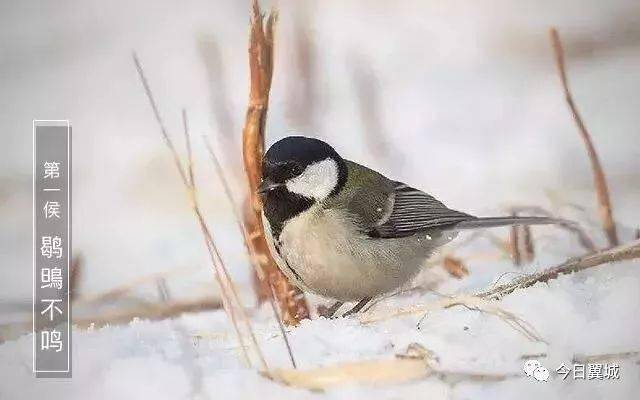
大雪之五日。𪂇鳥不鳴。
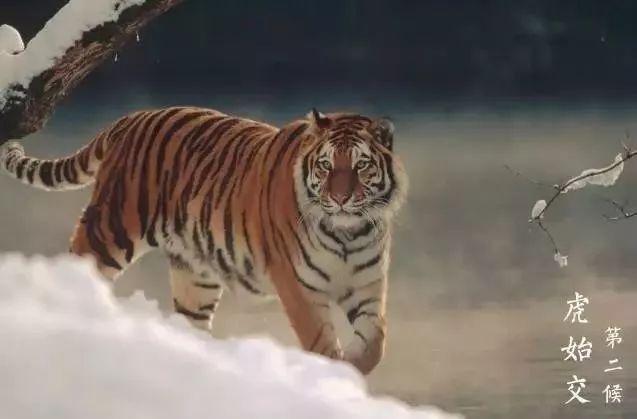
次五日。岩槿榮。虎始交。
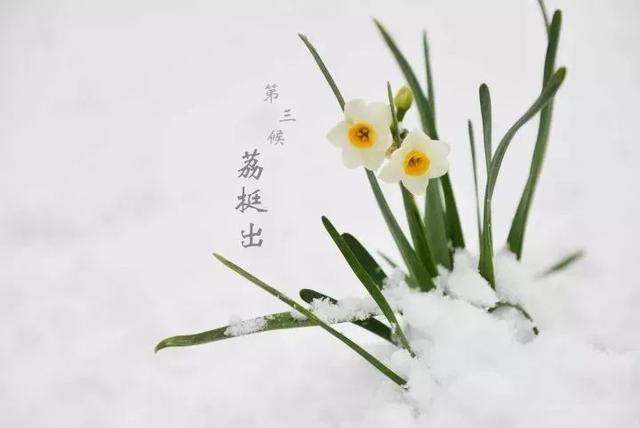
次五日。荔挺出。水仙開。
五行用旺
大雪水旺
Fifteen days after light snow, the tail of the Big Dipper is pointing to the direction north, is the third winter solar term ~ Major snow.
When we get to Major snow, it is the eleventh month of the year, Zi month 子月. The name of this solar term, snow also carries a meaning of the ‘Yin’ energy, this flow of yin is getting strong and results in snow piling up in nature. When yin energy gets to the max, the yang energy is ready to kick off soon. This is the basic feature of this ‘Yang’ & “Yin” energy.
During this month, the sun is coming out at direction Chen (southeast) and sinking in direction Shen (southwest).
People in ancient times, they also observed the first five days, it’s getting really cold and the wild birds are not coming out. The second five days, tigers in the forest will come out and ready for mating season. The last five days, the wild water lily sensed that the ‘yang’ energy is about to kick off, so it will start bursting soon.
During this period, water element gets to its strongest status.
節令篇。十月中炁。小雪 Second solar term in winter season ~ Light Snow
月令廣義。二十四卷。明馮應京纂輯
立冬後十五日。斗指亥為小雪。十月中天地積陰。
溫則為雨。寒則為雪。時言小者。
寒未深而雪未大也。
三候
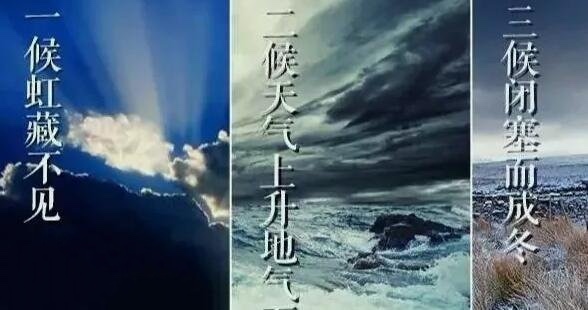
小雪之五日。虹藏不見
次五日。天氣上騰。地氣下降
後五日。橘始黃。閉塞而成冬
木生
小雪水正。旺而木生
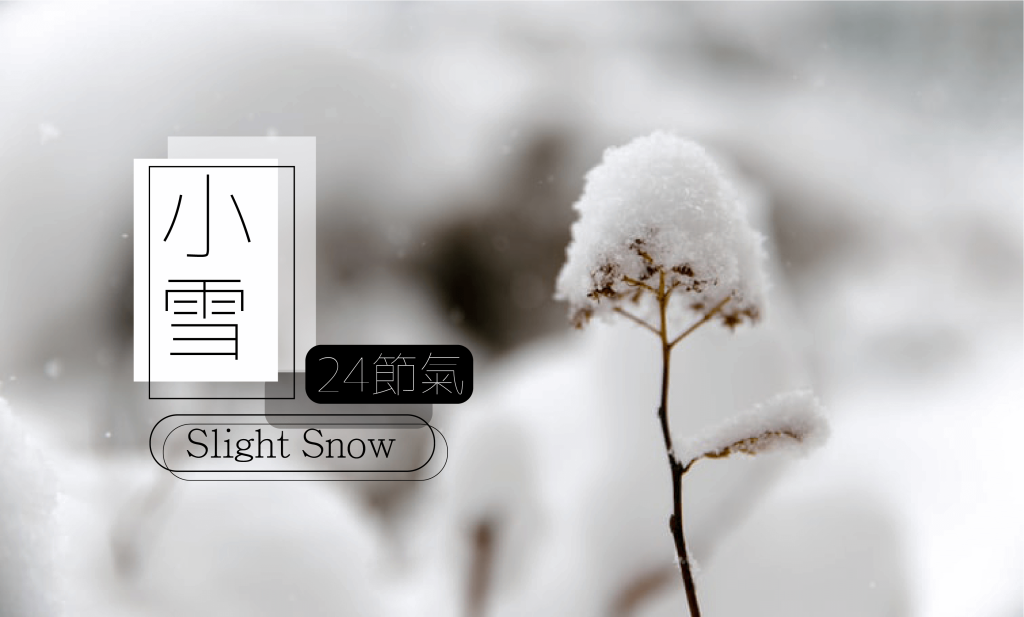
Second solar term of winter season, light snow. This is the fifteen days after the first winter solar term, Winter Commences. The tail of the Big Dipper is pointer direction Hai (northwest), this is the tenth month of the year.
During this time, the ‘Yin’ energy is filled in the air and it is strong at this month.
When the temperature is slightly milder, then it is rain, if it is colder, then there is snow. Light means at this time, it is yet the coldest and snow will become more for the rest of the year.
First five days of light snow, the ‘Yin’ energy is dominating and therefore, we cannot see rainbow during this time.
Second five days, the ‘Yang’ energy freezes in the sky while the ‘Yin’ energy stays on the ground, they are not circulating, which means at this time, all the things stop.
Third five days, since the ‘Yang’ and ‘Yin’ energy are not circulating, therefore, it is stuck and makes the winter status
節令篇。立冬十月節 Winter solar term ~ Winter solstice
月令廣義。二十四卷。明萬曆
立冬十月節 Solar term to kick start winter season ~ Winter Solstice
《孝經緯》霜降後十五日。斗指乾為立冬。十月節。冬者終也。萬物皆收藏也。
日出入
出卯辰。入申酉
三候
立冬之五日。蓀(一種香草)乃榮。冬芛熟。水始冰
次五日。地始凍
後五日。雉 (野鳥)入大水為蜃(水龍)
太陽在卯
日躔大火之次
According to ancient book, fifteen days after the last autumn solar term, Frost Descent, the tail of the Big Dipper points direction Qian (northwest), that is time for solar term, Winter solstice.
Winter season carries a meaning of storing, which means after a whole year of hardworking, all the crops and harvests are putting away and store them properly, this is the manner of winter season.
At this time of the year, the sun comes out from southeast and sinks in southwest.
This is the beginning of winter, first five days of winter solstice, a type of aromatic grass and bamboo shoot ripped at this time, water starts to freeze.
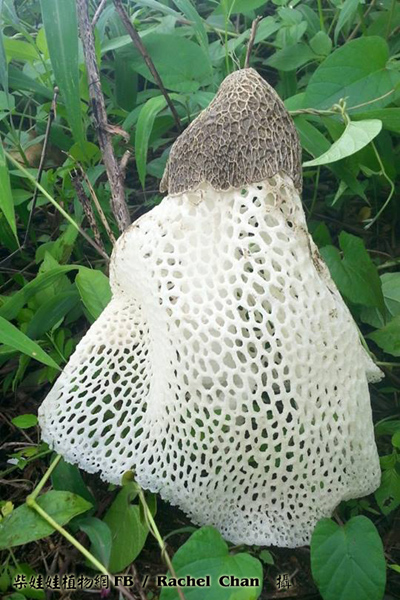
10th days, ground begins to freeze too.
15th days, a wild birds start to fly on water and turn into dragon (this is how ancient people observed and thought)
月令篇。九月中炁霜降 Solar Term ~ Autumn Cold Dew
月令解卷。經部。欽定四庫全書
是月也。霜始降則百工休乃命。有司曰。寒氣總至民力不堪其皆入室
工民四民之中。亦居六職之中。國之器用所資也。
霜降則休。注謂寒而膠漆之作。不復堅好。此未盡古人之意。
蓋當休老勞農之時。凡終歲勤動者無不休矣。
百工之役使之少息。此亦聖人順時之政也。
夫積陰成寒。其氣總至歲時之所同也。民生畏寒入此室處亦其情之所同也。
Autumn solar term, Xu month 戌月 is Cold Dew. By referring to ancient book, having a better understanding of the description of Cold Dew, is the time for cold weather to come.
It is time for all labour force to rest and not staying outdoor as the wind chill was too strong to work outside. People were much encouraged to stay indoor to protect themselves.
This was also a government policies for the general public according to the weather changes.
節氣篇。寒露九月節 5th solar term of autumn ~ Cold Dew
月令廣義。二十四卷。明萬曆。馮應京纂
《孝經緯》秋分後十五日。斗指辛為寒露。言言露冷寒而將欲凝結也。
日在亢
亢宿 (注:亢金龍,二十八宿之一,東方七宿第二宿)之度去極九十度。
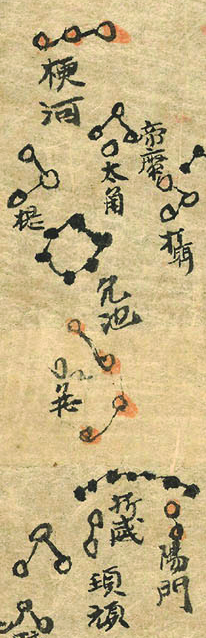
表影
天表景長八尺五寸四分
日出入
出卯入酉
三候
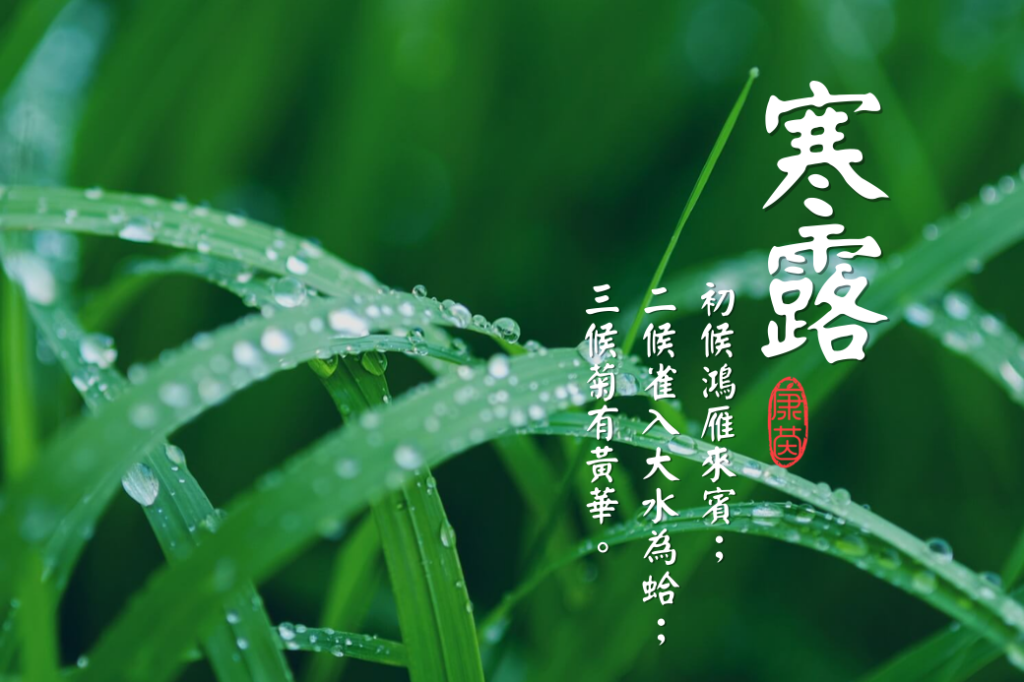
寒露之五日。鴻雁來賓
次五日。雀入大水為蛤
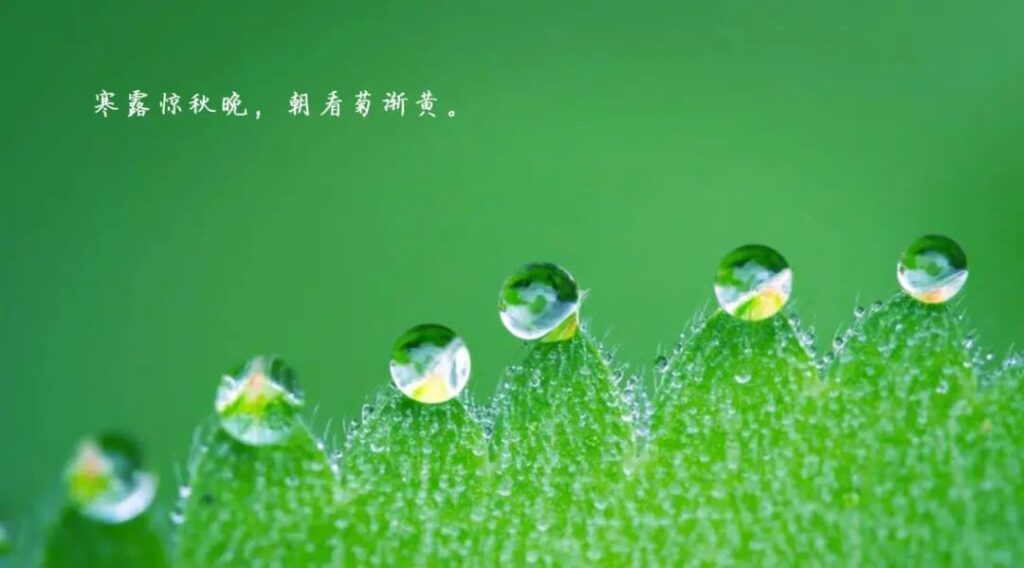
後五日。菊有黃華
金旺
寒露七日。金正旺
Today is the day we officially entered the fifth and also the second last solar term of autumn season, Cold Dew, which also means, thirty days from today, we will enter winter season and a new slot of winter solar terms will kick in.
Cold dew, from the name we can tell water drops will condense in the morning when the air is still cold. Temperature is dropping day by day until deep winter, so it is named as Cold Dew.
People in the ancient society divided one solar term into three sessions. During Cold Dew, the first session is birds migrated to the warm weather countries already and wait for warmer weather and they will return.
Second session is shell fishes were showing a lot on the sand on beaches, and people in the old days thought they were turned from those migrated birds.
Third session is the majority of the flowers withered already and only left chrysanthemum are still beautifully blossoming.
In terms of five elements, from the seventh days of Cold Dew, metal element dominates the season.
八月中炁。秋分 Fourth autumn solar term ~ Autumn Equinox
月令廣義。二十四卷。明萬曆
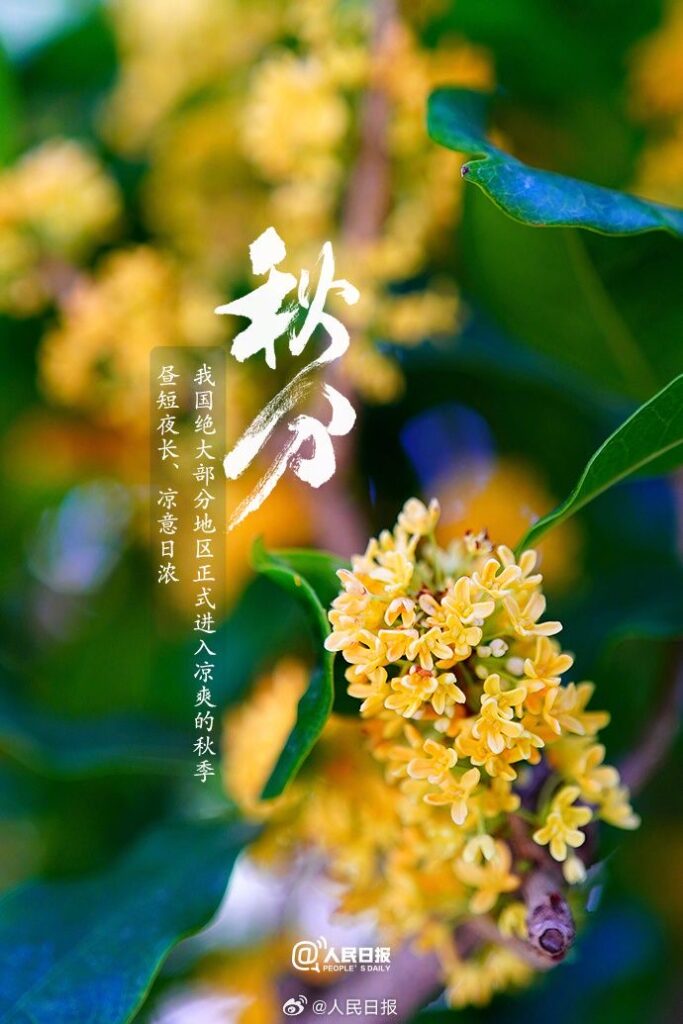
白露十五日。斗指酉為秋分。陰生於午。極於亥。故酉其中分也。仲月之節為秋分。秋為陰中陰。陽適中。故晝夜長短亦均焉。
日在角
角宿(注:是二十八宿之一,東方青龍七宿第一,在七曜屬木,以蛟象徵,故稱角木蛟)之度去極八十四度。
表景
天表影長六尺五寸五分
晝夜均
秋分中氣日出卯三刻。日入酉三刻。晝五十刻。夜五十刻。
三候
秋分之五日。雷乃收聲
次五日。蟄蠱壞。戶景天華
後五日。水始涸
秋分而成
《老子》天地之氣莫大於和。和則陰陽調。日夜分。故萬物春分而生。秋分而成。生與成必得和之精。故積陰不生。積陽不分。陰陽交接乃能成和。
Autumn equinox is the fourth solar term of autumn season, which means we have already entered deep autumn and two more solar terms, we will enter winter season. During this time, fifteen days after the last solar term, White Dew, the tail of the Big Dipper is pointing direction You (酉) west.
While the first yin energy starts in Wu month 午月, yin energy maximizes in Hai month 亥月, therefore, You month (eighth month) is the middle point of both yin and yang energy. Daytime and nighttime is equally long during this solar term period.
The length of the sun during autumn equinox is 6ft and 5 inches long.
酉。八月節令。白露 Mid autumn solar term ~ White Dew
月令廣義。二十四卷。明萬曆。馮應京纂
月令通考
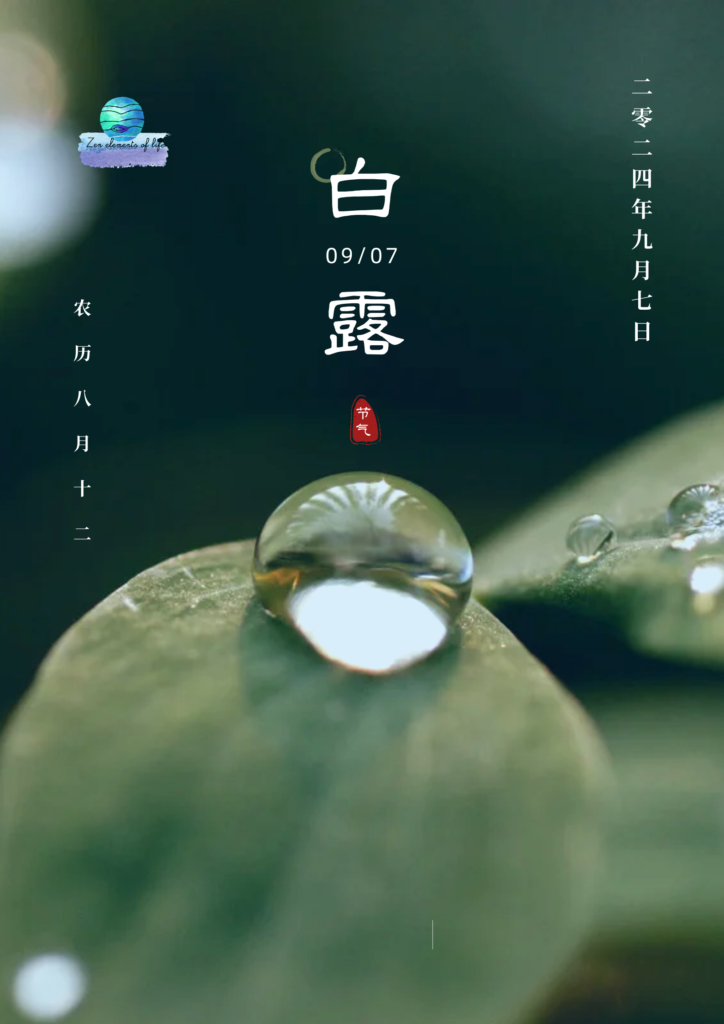
《孝經緯》處暑後十五日。斗指庚為白露.言陰氣漸重露凝而白也。
日出入
出卯入酉
三候
白露之五日。鴻雁來。次五日。玄鳥歸。後五日。羣鳥養羞。
此記酉月之候。育風疾風也。來自北而來南也。歸春來而秋去也。羞者。藏之。以備冬月之養也。
金旺
白露秋分。俱金用事。
兌居西方正秋之時,于五行屬金。
From the last solar term, we are about to enter the second month of autumn season since the third solar term, White Dew. The name of white dew is closely related to the critical features of autumn in the old society.
White belongs to metal element, and it represents autumn. During this time of the year, those heat escalated from summer is dropping gradually. Dew is visible on leaves and plants in the morning. From these two natural phenomenon, we can conclude that we are in deep autumn already. From the language of five elements, metal and water elements are dominated the second half of the year.
八月令 the eighth month ~ You month 酉月
月令廣義。二十四卷。明萬曆。馮應京纂
仲秋之月。日在角(角在辰壽星之次)(注:角。二十八宿之一,東方青龍七宿第一,在七曜屬木,以蛟象徵,故稱角木蛟)。
其日庚辛。其帝少皥。其神蓐收。其蟲毛其音商律中南呂。
其數九其味辛。其臭腥其祀門祭先軒。
冠帶有常。常制也。此因時之寒而預為衣冠之備。
乃命有司申嚴百刑。孟秋既命嚴斷刑。此又命之故曰。申嚴刑止有五而云。百刑者。據罪言之也。曰罪多而刑五是也。
斬殺必當。刑之所加。不止斬殺所命上。此者以大辟尤重故也。
民收斂務畜。
菜多積聚。菜所以助穀之不足。凡為歲備者。無不貯儲。孟秋巳命此又趨之。
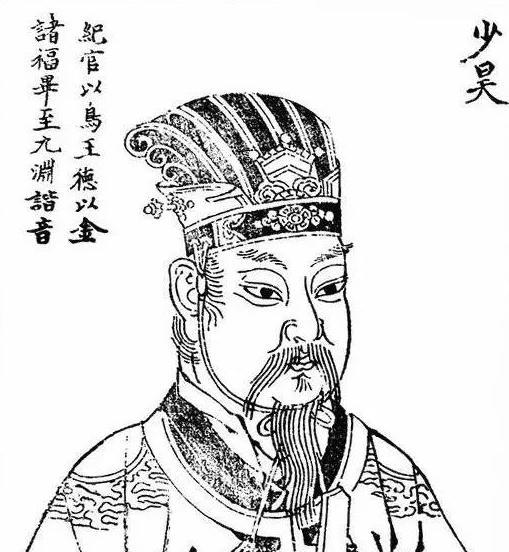
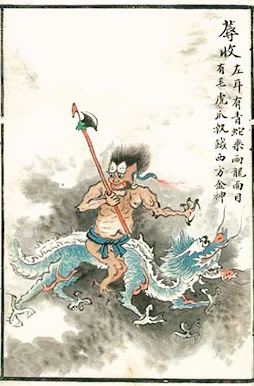
On the 7th September 2024, is the third solar term of autumn, White Dew 白露, which means we are already in the middle of autumn. From the point of view from the ancient society, they have specific features and traditions for autumn.
The eight month of the year, which is You month for 酉月, the second month of autumn. In terms of heavenly stems are Geng 庚 and Shen 辛 metal elements. The emperor of autumn is 少皥, since it is autumn so it belongs to metal element. The God is 蓐收, it carries a meaning of autumn harvest. Number 9 represents metal element.
Around this time, the temperature starts to drop gradually until it reaches deep winter. People started to gather and organize thick clothes to keep them warm under the cold weather.
As mentioned in last posts, autumn is also the season for death penalties. Any criminals received death penalties, they are usually due in autumn.
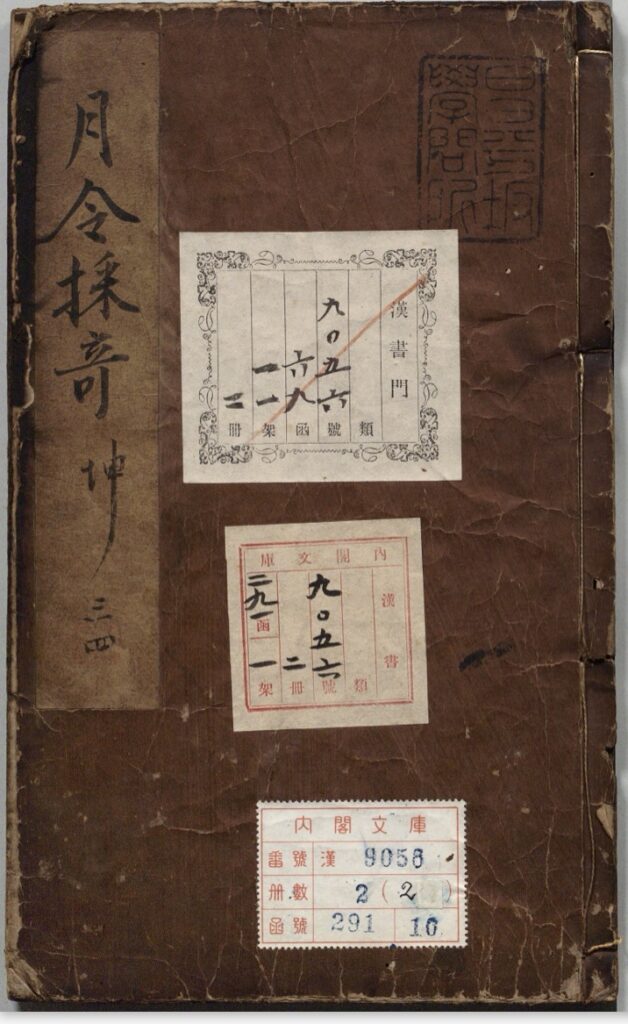
七夕節。古代情人節 An ancient love story, another valentines day from the Chinese culture
月令釆奇。四卷。明萬曆。李一楫編
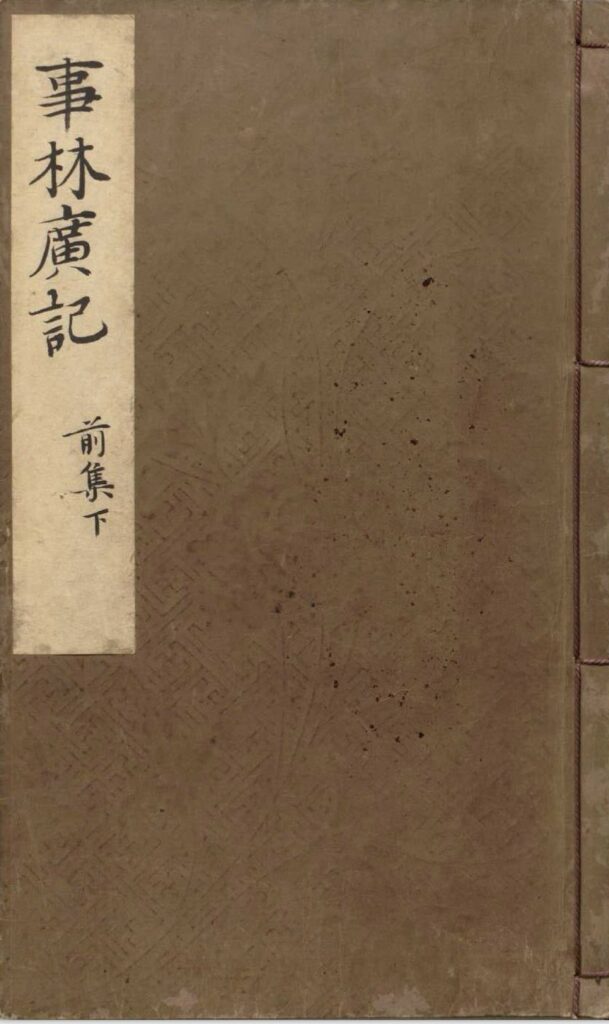
事林廣記。十二卷。南宋。陳元靚編
荊楚歲時記。七夕為牛女聚會之辰。戴德云。此日織女東向。蓋言星也。石氏星經云。牽牛名天關。佐肋期云。織女神名牧陰。天官書云。是天帝外孫。傳玄擬天問云。七夕牛女會天河。即其事也。牽牛主關梁。織女則主瓜果。
七月七日之夜謂之七夕。齊諧記曰桂陽城武丁有仙道。忽謂其弟曰。七月七日織女當渡河。吾向已被召躬問織女何事渡河。答曰暫詣牽牛出人至今云。織女嫁牽牛也。傳玄擬天問曰。七月七日牽牛織女會天河也。七月七日夜灑掃中庭。施幾筵設酒脯。牽牛織女相會守夜者。見天漫中有白氣光曜。五色以此為徵。應見者便拜願乞富乞壽無子者乞子。
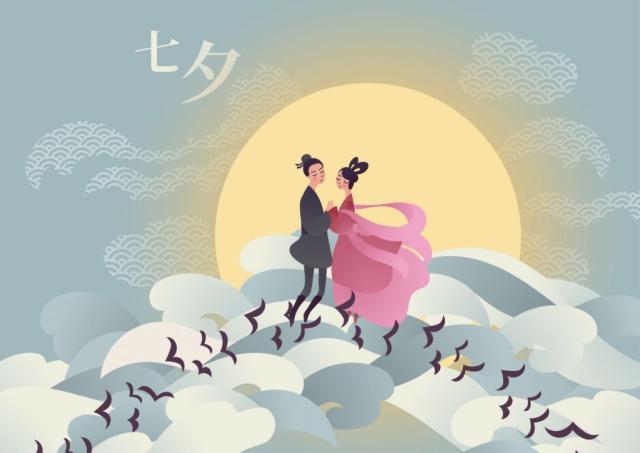
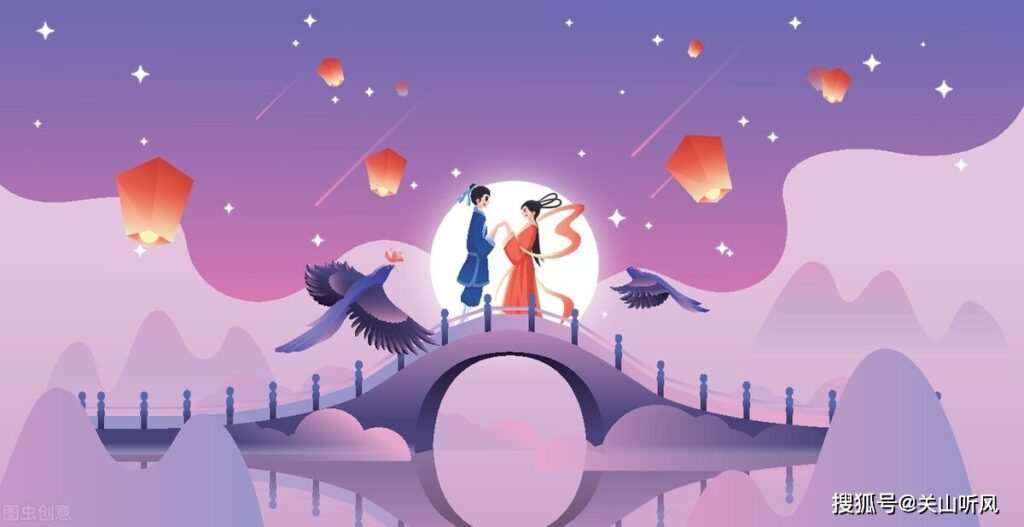
The first valentines day in the year is the first fifteen days from the Chinese new year which we called the 元宵節. The second one is during the seventh month of the year, Shen month 申月. This is the love story between a cow boy and a knitting lady. They are married but lived separately, and they can only get together once during this time of the year on a bridge above a river in the sky.
People usually will pray for blessings on longevity, luck and having kids at this time too.
七月中炁。處暑 Second solar term of autumn ~ End of Heat
月令廣義。二十四卷。明萬曆三十年。馮應京纂
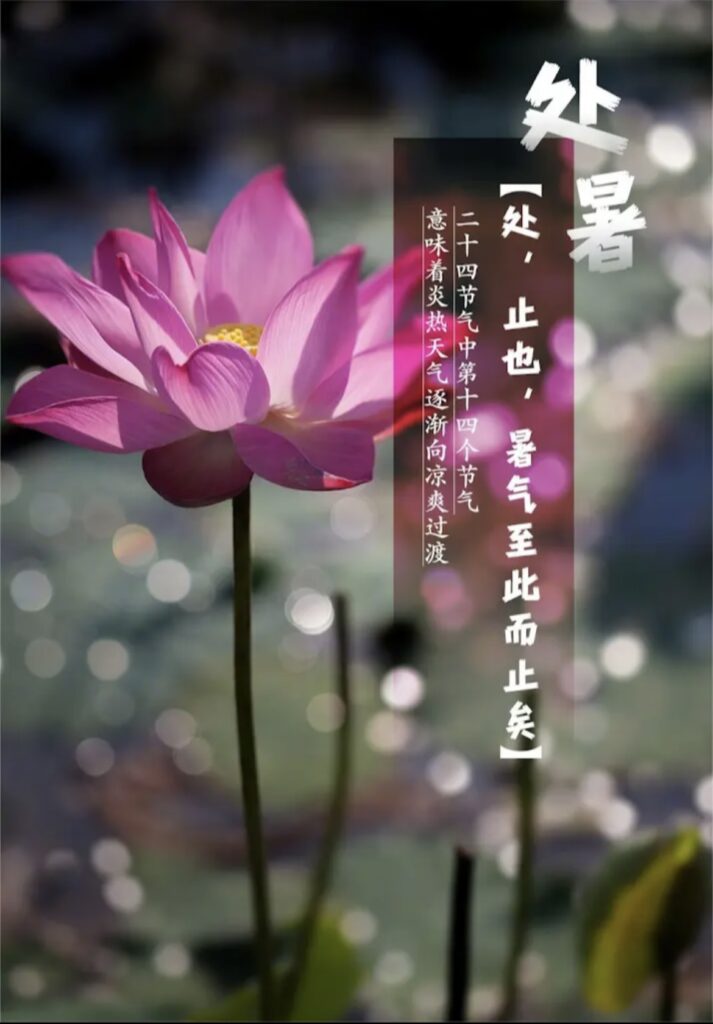
立秋後十五日。斗指申為處暑。言瀆暑將退伏而潛處也。處上聲止也。暑氣止息也。
三候
處暑之五日。鷹乃祭鳥。次五日。天地始肅。後五日禾乃登。
Fifteen days after the last solar term, Start of Autumn, when the tail of the Big Dipper points direction Shen 申 (southwest), is the time for End of heat. At this period of the year, the summer heat is about to fade away gradually, which means we have officially entered the second half of the year, in terms of the five elements, metal and water elements are dominating the remaining time.
節令。立秋七月節 Solar term for 7th month, Shen month 申月, Autumn Commences
月令廣義。二十四卷
《孝經緯》大暑後十五日。斗指坤(未坤申方)為立秋七月節。
秋耆揫也(意:收攏、聚集)。萬物于此揫斂也。
日出入
出卯(東)入酉(西)
三候
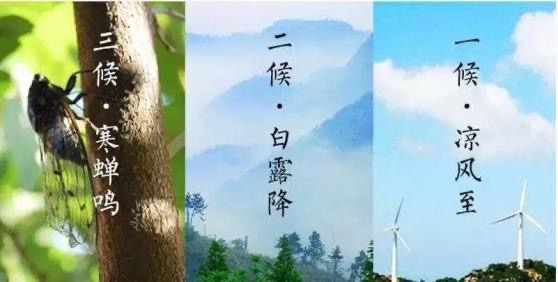
立秋之五日。涼風至。芷乃箭。
次五日。白露降。
後五日。寒蟬鳴
土金用事
立秋坤土五日。餘皆金旺。
一葉落
《淮南子》一葉落而天下知秋。
秋至而梧桐一葉落。
First solar term of autumn is ‘Autumn Commences’, it illustrates the seventh month of the year which is Shen month 申月. Fifteen days after the last solar term ‘major heat’, the tail of the ‘Big Dipper’ is pointing direction ‘Kun’ 坤方, is southwest Shen 申. It is autumn, is the season for harvest and storing.
At this time, the sun comes out from the direction Mao 卯方 and sets in the direction You 酉方.
大暑。六月中炁 Solar Term of Wei Month 未月 ~ Major Heat
月令廣義。24卷。明馮應京纂輯。六月令。節令
小暑後十五日斗指未為大暑。六月中卜大者。就極熱之中分為大小。
初後為小。望後為大也。
日在卯
柳宿之度,去極七十二度(星宿後宮的朱雀七星士之一)。
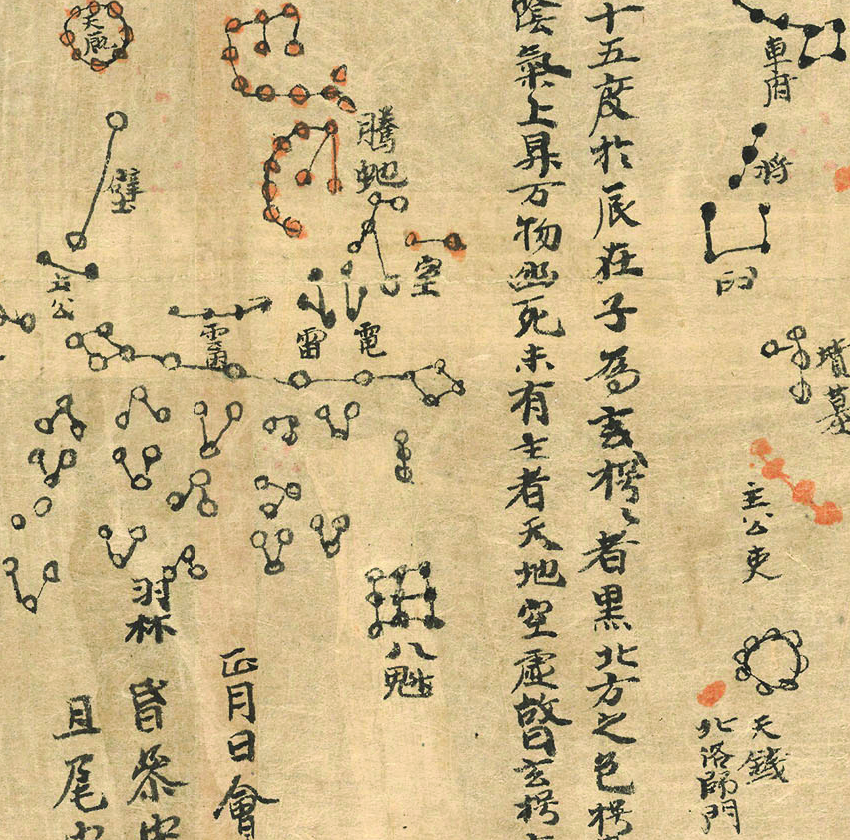
表影
天表影長二尺五寸八分。
三候
大暑之五日。腐草化為螢。次五日大潤溽暑(潮溼悶熱)。
後五日大雨時行。
太陽過午
日躔鶉火之次(鶉火與十二辰相配為午,與二十八宿相配為柳、星、張三宿)
己土王
大暑己土旺十五日
未半卦氣
大暑未之半。其卦為𢁉為風。水風並山風蠱。
Fifteen days after solar term ; minor heat 小暑;the tail of the big dipper is pointing to the direction Wei 未,is the mid of sixth month, it enters the hottest period of the whole year.
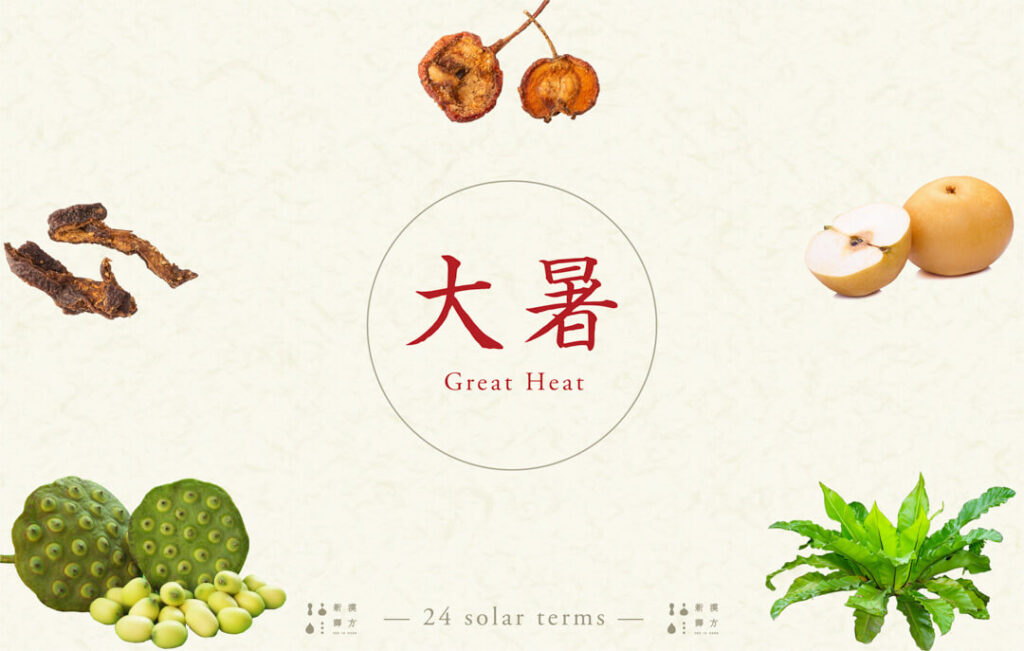
月令廣義。二十四卷。明。馮應京纂輯
伏日文化 Traditions for the hottest days in the year (what did people do in the old days?)
現代人,大部分都會在三伏天進行天灸中醫治療。在古代,無論平民或政府官員都會在伏天季節,除了中醫保健外,還有各種不同的習俗,大部分現在已經失傳了。
氣候
陰氣藏伏
「後漢書」六月伏日。周時無至。此乃有之師。古曰。伏者謂陰氣將起。迫干殘陽而未得升故為藏伏。
秦作伏祠
秦穆公(春秋時代秦國國君,在位三十九年)二年初作伏祠社磔狗四門。以禦蠱災蓋祠社。以伏日同無伏祀蓋起。於此漢有春社二社與伏分也。
置上伏
吏註。六月上伏。秦始皇所置也。
伏日封功
前漢諭封每擇伏日
伏閉盡日
漢和帝(漢和帝劉肇,東漢第四位皇帝,在位十七年)令伏閉盡日。
(注)漢官舊儀。日伏日厲鬼行。故伏閉盡日不干他事。
巴蜀擇伏
「風俗通」漢中巴蜀。自擇伏日。其地濕暑。草木早生晚落。氣異中國故命元。
𧶽氷(冰異體字)
石季龍(趙武帝石虎,字季龍,中國五胡十六國時代中,後趙的第三位皇帝)於氷臺藏氷,三伏之日以湯大臣。
伏臘羊酒
「楊惲書」田家作苦藏時。伏臘(古代兩種祭祀名稱。伏在夏季伏日)烹臘肉羔羊酒自羊炮。
伏日𧶽肉
「漢書」伏日𧶽從官肉。大官日晏不來。東方朔特為郎拔劍割肉。謂同官曰伏日。
避暑飲
「袁紹(東漢末年割據勢力之一)」三伏之際。盡日與劉崧飲酒。故河朔有避暑之飲。
伏不嫁聚
「四時𥴠要」三伏嫁聚傷夫婦(陰陽)(大忌)伏日切勿迎新婦。犯之大凶。
Nowadays, in Wei month, generally people will go to do Chinese medical to do treatment especially for these hottest day in the year. In the old days, there are a lot of tradition and activities.
Weather
Hottest days in Wei month sixth month 未月,yin energy starts to escalate and forcing the yang energy to be stored underground.
God Worship
During high temperature days, it’s easy for people to get infectious disease, so emperor in those days lead his people to go into temple to worship gods for people to stay healthy.
Award Ceremony
During the Han dynasty, emperors choose these special days to hold award ceremonies.
Closed Day
Han emperor set these days as a closed days as nothing will go on and people are at rest.
Emperor gifted ice to his official
Ice was an extremely rare resources in those days, as they do not have any freezing tools. The emperor will gift ice to his officials during these hottest days.
Eat mutton meal
Mutton is a warm meat according to the Chinese medicine point of view, and they believe eating warm meat to keep the heat in the inner body to prepare for the cold season. People will eat mutton and drink lamb milk and wine.
No wedding ceremony
During these hot days, no wedding ceremony was held due to they think this is non-auspicious and unlucky.
月令廣義。二十四卷。明。馮應京纂輯 上。中。下元節
Gods of Nature (2)
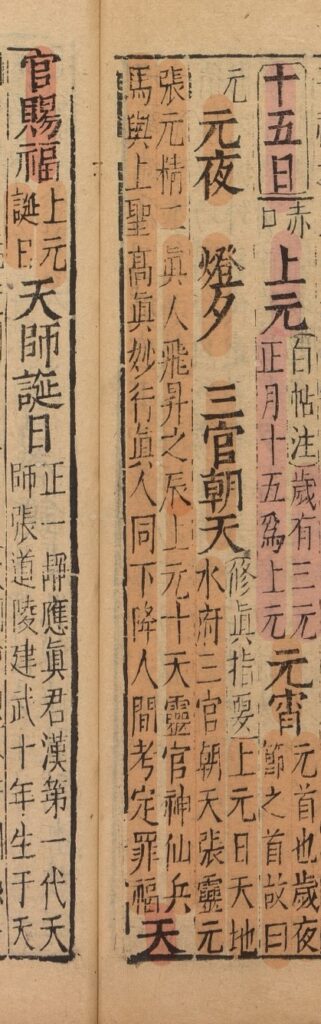
十五日。上元
「白帖注」歲有三元。正月十五為上元。
元首為歲夜節之首。故曰元夜。燈夕。
三官朝天
「修真指要」上元日。天地水府三官朝天。
張靈元。張元精二真人飛昇之辰。上元十靈官神仙兵馬
與上聖高真妙行真人。同下降人間考定罪福。
天官𧶽福
上元誕日
中元地官
七月十五日
十五日。下元節
水官解厄
「正乙要旨」下元十月十五日水官解厄
Referring to this ancient book being written in the Ming dynasty, the author mentioned the Gods of Nature. He wrote the myth behind them and how come people worship these Gods.
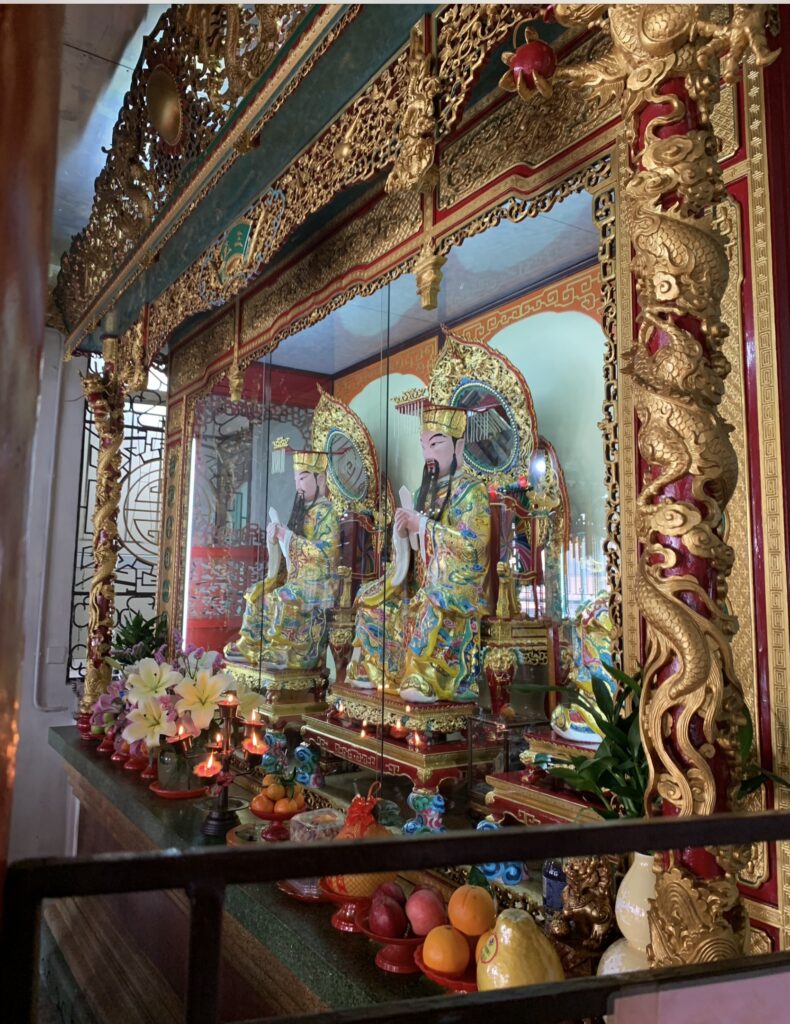
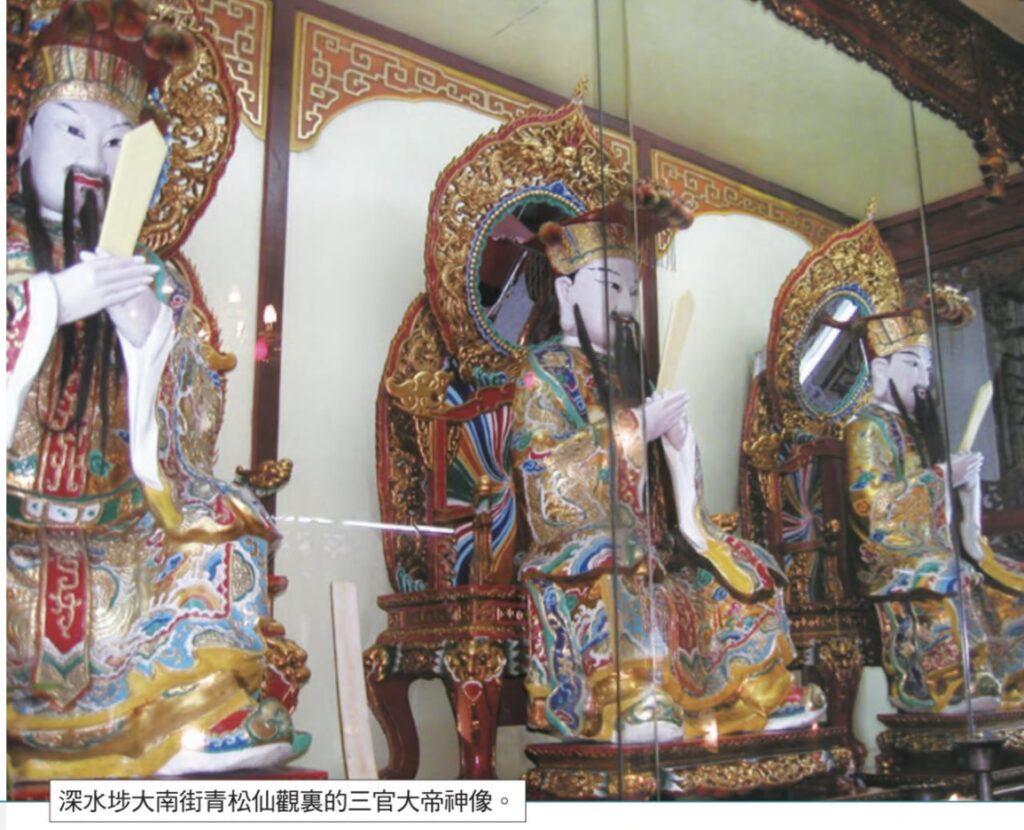
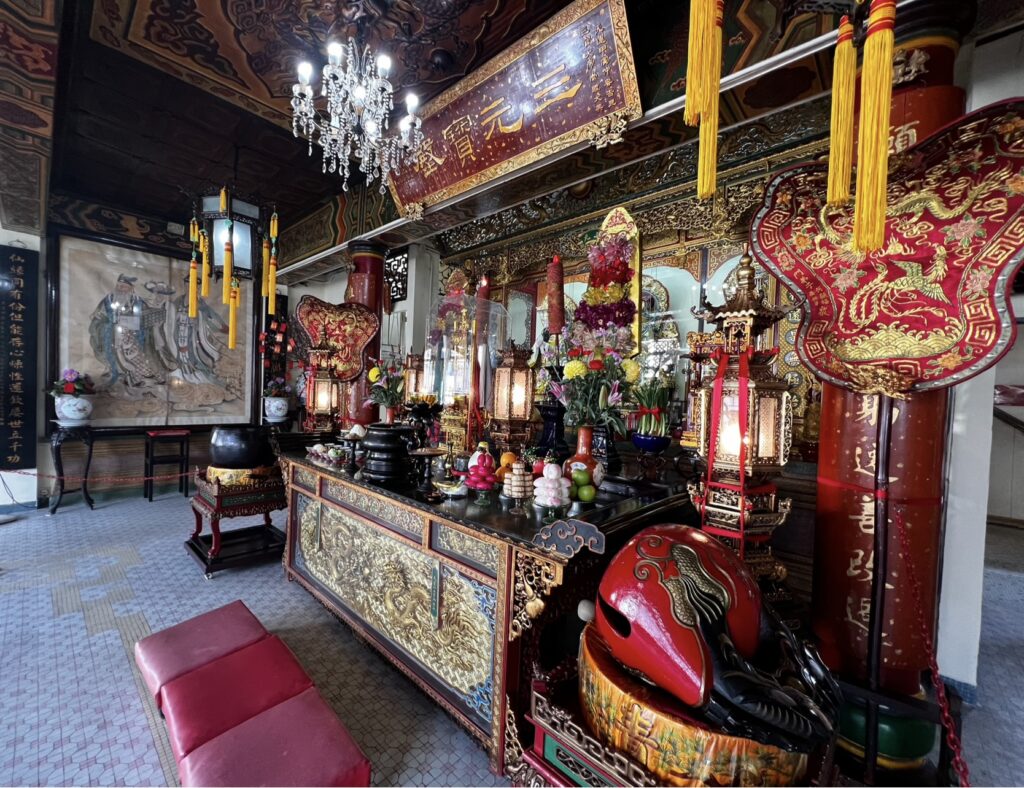
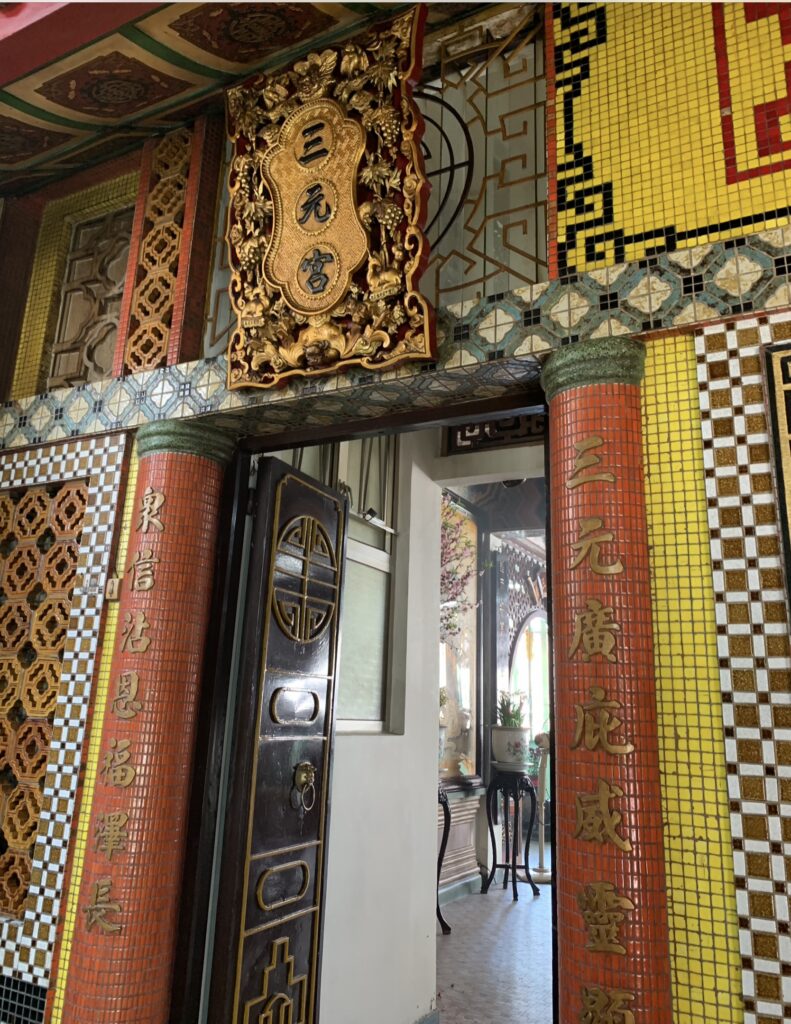
三官大帝~天神組合 Gods of Nature
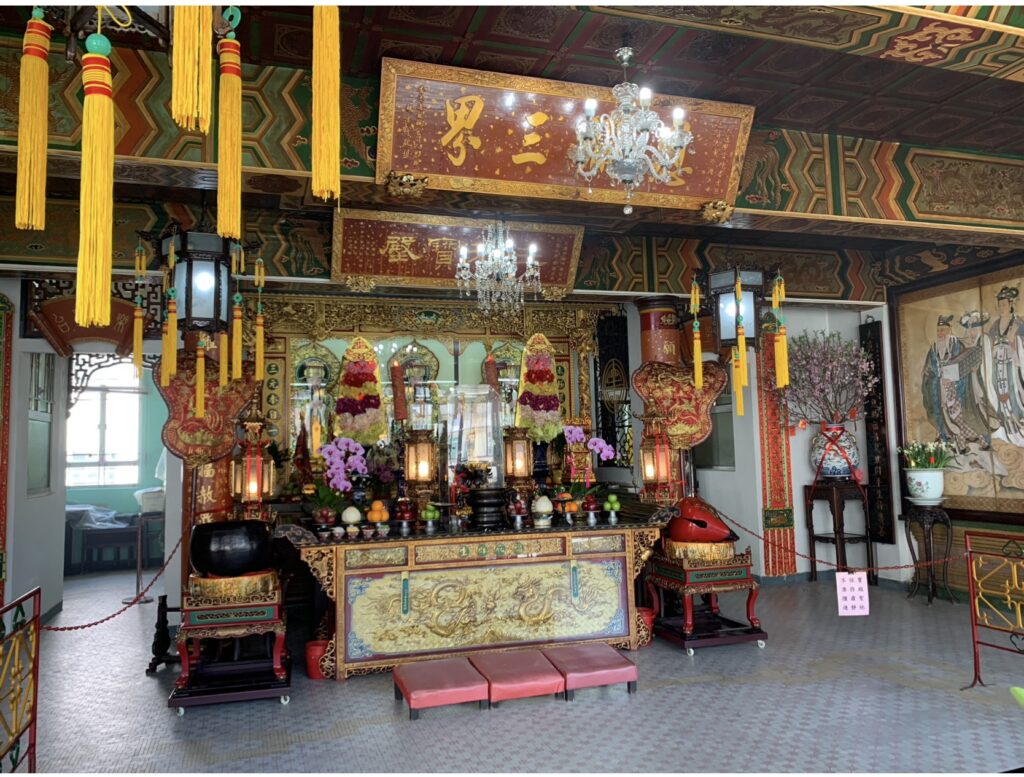
功能:擋煞消災
誕日:天官正月十五日
地官七月十五日
水官十月十五日
三官大帝是一組天神的組合,來自人類對天、地、水的自然崇拜。
三官即天官、地官和水官。祂們各有職司,
天官𧶽福(這就是很多人家門口放置天官𧶽福神位)、地官赦罪、水官消災解厄。
這三個神祇最初只是普通的民間俗神,但在東漢時被道教吸納之後,一下子變身成為主管人間禍福的天神,在道教中地位極高,
僅次於玉帝。
宋以後又被稱為三元大帝,廟宇的神牌則多稱為三元三品三官大帝、中元二品赦罪地官清虛大帝、三元三品解厄水官洞陰大帝。
People in the old society, they worship all the resources they get from the nature, so it comes up with the concept of this set of Gods.
This is the combination of God of Sky, God of Earth and God of Water. There is one saying that, this concept has a long history as the East Han dynasty (東漢時期 25-220 year), they used to be original gods that people worship at home, later they are being included into the Taoism and they then become more and more popular.
God of Sky ~ auspicious blessings
God of Earth ~ being forgive for all the wrong doing
God of Water ~ help to avoid for any danger
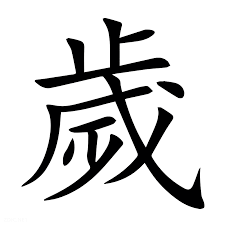
月令廣義。二十四卷。明馮應京簒輯 “歲”
旬歲 。 滿歲曰旬歲
(說文。旬。十日為一旬,滿也)
嗣歲 。 來歲也
比歲 。 比類也
洊歲 。 再歲也
(說文。洊。荐、再也)
積歲。積年也累歲也。積土而為山。積水而為海。旦暮積謂之歲
歲晏 。 歲晚也又清平之歲
(說文。晏。天清也,無雲之處也)
明年 。 來歲也
一齡 。 一年也,凡稱年載。自一以至十百皆同。又稱歲日,霜日,周日,春日,秋之類也。
暮年 。 歲既暮也,又老年,耄年,衰年,頹齡晚景比之
大有年 。 (春秋)五穀皆熟也
有年 。 豐登歲
稔歲 。 稔亦年也,𣫛熟曰稔豐年也
豐年 。 歲熟也
六月節。小暑 Wei month solar term ~ moderate heat
月令廣義云。
孝經緯。夏至後十五日。斗指丁為小暑。六月節
日在鬼 (鬼金羊,二十八宿之一,南方七宿第二宿)
鬼宿之度去極六十七度。
Fifteen days after solar term ‘summer solstice’, is another summer solar term ‘moderate heat’. At this time, the big dipper is pointing direction Ding 丁 is moderate heat time.
表影。天表影長二尺五十九分。
日出入。出寅入酉
In this month, the sun rises in direction Yin 寅 (northeast) and sets in direction You 酉 (West)
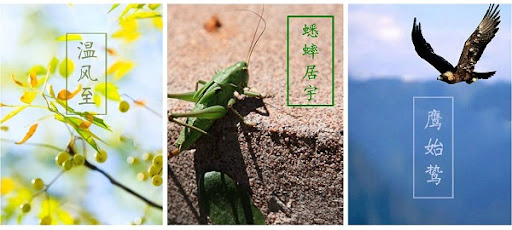
三候
小暑之五日。溫風至。至次五日。
蟋蟀居壁。後五日。鷹乃學習。
Three pendants of ‘moderate heat’
1st five days ~ warm wind
2nd five days ~ crickets live under shades since the temperature is too high
3rd five days ~ eagles will avoid landing on the ground since the ground temperature is too high.
太陽在未。日躔鶉首之次。
五行用事。十日丁火旺。後乙木三日。己土三日。
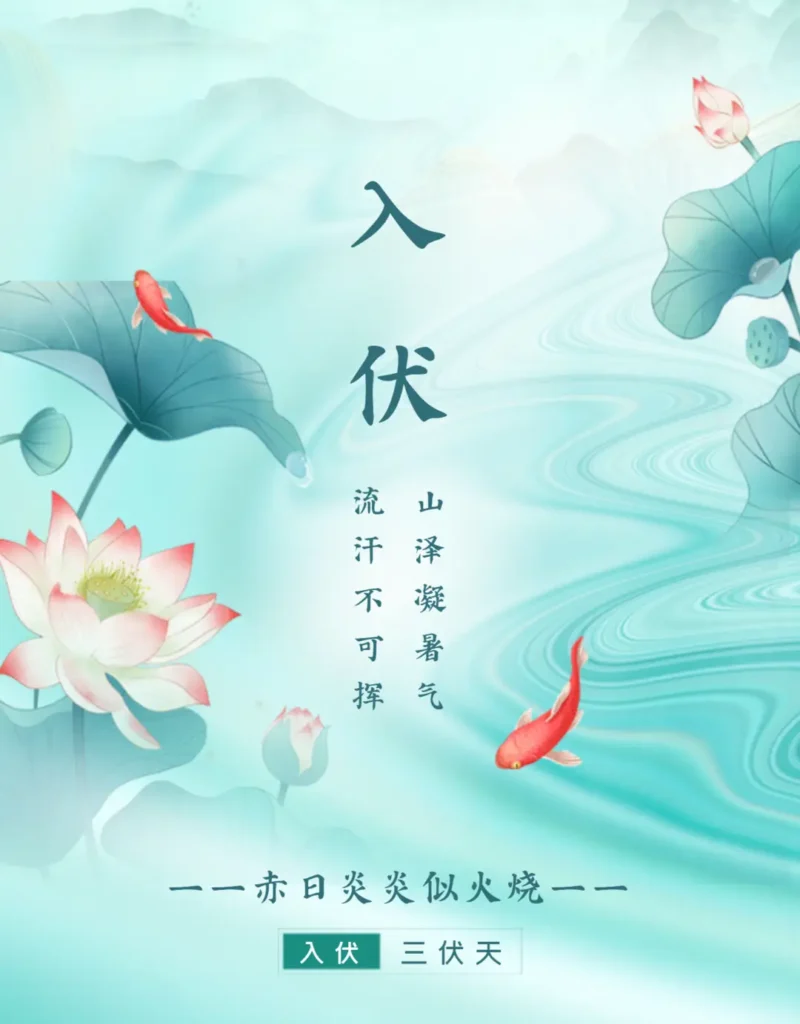
月令廣義卷之十一,伏日 Three hottest day in Wei month 未月
曆忌釋云:
伏者何。金氣伏藏之日也。四時代謝皆以相生。
立春木代水。水生木。
立夏火代木。木生火。
立冬水代金。金生水。
至于立秋以金代火。金畏于火。故至庚日。必伏庚者金也。
三伏
通書。夏至後第三庚為初伏。
第四庚為中伏。
立秋後第一庚為末伏。故三伏。
凡四十四日大熱。所以對臘之大寒也。
As mentioned in the last article, Wei month, the sixth month of the year, even it belongs to the earth element but actually it also related to fire element too.
During Wei month, there are three hottest day of the year. They are the three Geng metal day 庚日。
Referring to ancient book, they explained why are three Geng metal day.
According to seasons change, spring wood generates summer fire, autumn metal generates winter water. The relationship between fire and metal is an exceptional case. Fire can destruct metal, as a result, metal energy needs to escape the peak of heat. As a result, it comes up with the concept of the three hottest Geng metal day.
First day is; the third Geng metal day after solar term Summer Solstice
Second day is; the forth Geng metal day
Final day is; the first Geng metal day after solar term Start of Autumn
月令廣義卷之十一;六月令。未月 All about the sixth month, Wei month.
禮記月令云。
季夏之月,日在柳(柳宿,南方朱雀七宿第三宿),昏火中旦奎中。
其日丙丁。其帝炎帝。其神祝融。其蟲羽(羽毛之蟲屬火)。
其味苦。其臭焦。
季夏之月。斗柄建在未。溫風始至。風主涼時,熱極而溫。
According to ancient book, Wei month is the last month of the summer season. The sun is in 柳宿, the star sign in the south.
In this month, the handle of the big dipper is at direction Wei.
We can feel warm wind blowing and the summer heat as well.

月令釆奇四卷。明。五月令 午月 Wu month (fifth month)
五月中炁。斗指午。故月建午。從月之中炁而定建也。
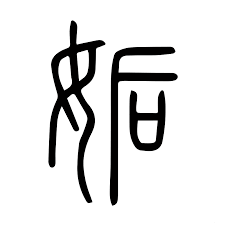
午者何。陰陽交故曰午。説文(説文解字)午。牾也。(逆也)
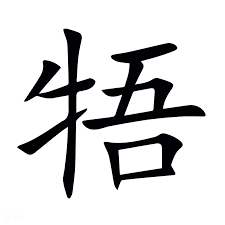
五月陰從下而上。陽昇地而出。陰氣與陽相仵逆也。
一陰生。陰陽爭與生六。日長至而復短。月卦名垢。姤遇也。
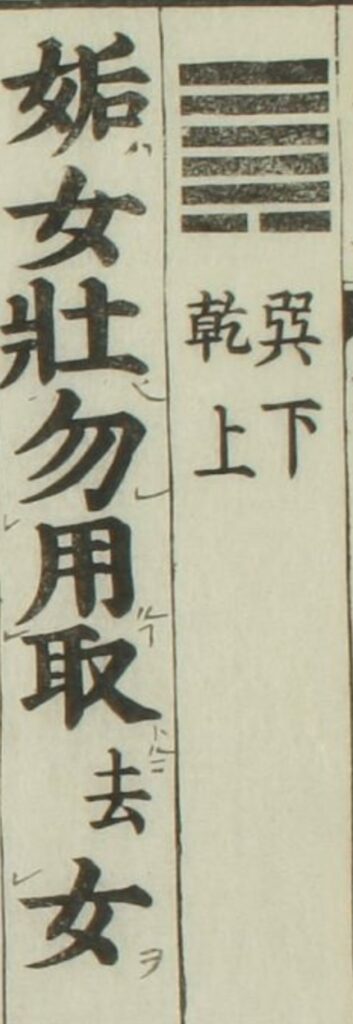
以陰遇陽。以柔遇剛之象。氣卦版離。離為火。
文明之象。
Interpretation:
The fifth month is the Wu month 午月, in this month, the energy of yin & yang swap in this month. (Yang energy from Zhi month 子月 to Si month 巳月, Yin energy from Wu month 午月 to Hai month 亥月).
Month trigram for Wu month is Coupling bagua 姤卦。 From this trigram, we can see the yin lin presents from the bottom.
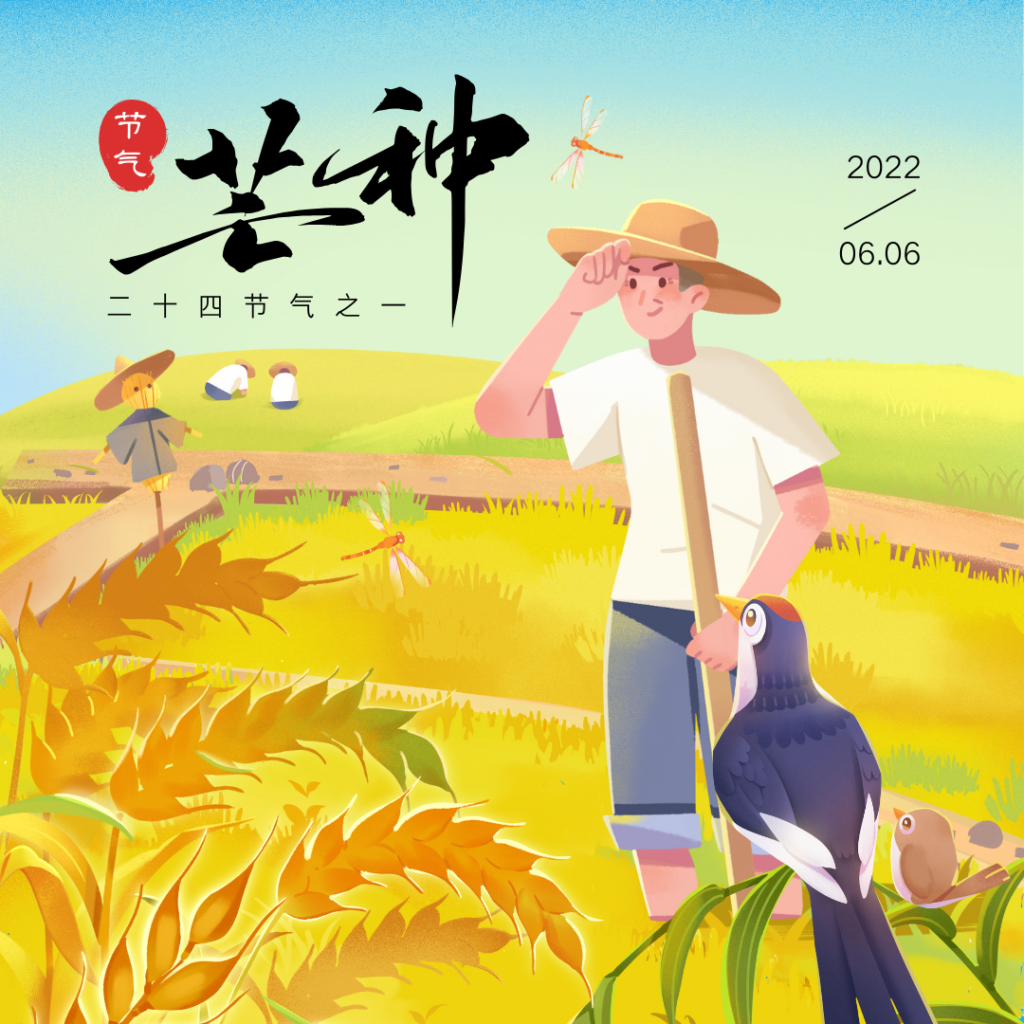
Grain in Ear 芒種 ~ The third solar term in summer season
Grain in ear is the ninth solar term throughout the whole year and the third in summer season, it is at 5th of June in every year. Grain includes buckwheat, rice, barley etc types of crops, some of the crops are waiting to be harvested from the spring planting season, and the some are waiting to be planted from the summer season. Those are plant in summer are the late planting crops.
Farmers are very busy at this time, during early summer as they have to harvest the spring crops and plant the summer crops. Grain in ear is completely a solar term based on agricultural needs. At this time, the heat in the air is obviously escalating and getting more humid throughout the whole summer.
In grain-in-ear, it is Si month, the 4th month of the year, there is a Chinese festival at this time, it is the dragon boat festival and it means the Wu month officially starts.
During dragon boat festival, people have dragon boat competition and eat the sticky rice dumplings.
月令釆奇云:
孝經緯曰。小滿後十五日。斗指丙。為芒種。芒種者。言有芒之榖。可播種也。太陽尚在申。表影長二尺五寸九分。
五月中炁。斗指午。故月建午。從月中炁而定建也。
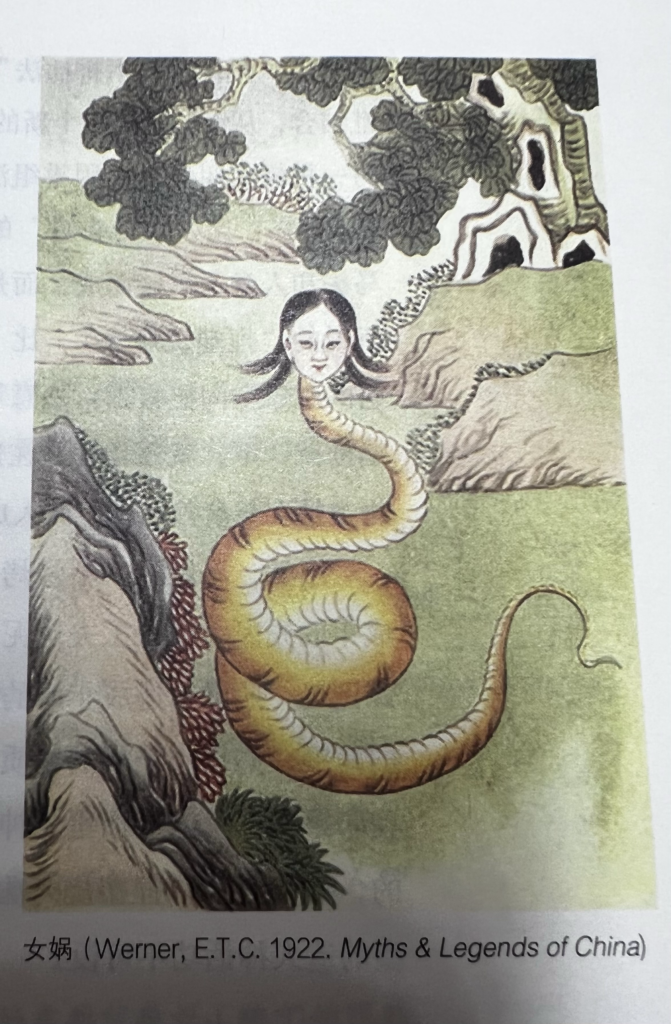
Chinese Mythology ~ Nuwa (女媧) The Goddess that create human beings
As we all know, from the 1st day of chinese new year, and until the 7th day of the chinese new year, it is set as the birthday day of all human beings in the world (人日)
According to traditions, the 1st day is Day of Rooster, 2nd day is Day of Dog, 3rd is day of Pig, 4th is Day of Sheep, 5th is Day of Cow, 6th is Day of Horse and finally the 7th is Day of Human.
This order is according to the order that Nuwa create living create to live in the world. The seventh day, she created human, therefore, on the 7th day we all celebrate the birthday of all humankinds.
跟隨傳統,從新年第一天計算起,一直到第七天,這稱作 “人日”,每個人的生日。第一天是雞,第二天是狗,第三天是豬,第四天是羊,第五天是牛,第六天是馬,第七天是人類的生日。
傳說中,女媧負責在土地上製造生物,一直到了第七天,她用她的腸子生化生化人類,所以第七天,人類便誕生。
卯月中氣:春分 Spring Equinox
事林廣記:八節雲氣 –
春分日,東方青雲,宜麥歲熟,氣雲萬物不實,人熱疫,其日晴明,萬物不成。
Weather during spring equinox to forecast the agricultural economy of this year. If there is slightly greenish cloud in the east, crops will be ripened, if cloud is loose, people are likely to fall sick and crops will be not be good and ripened on time.
歲時廣記:歲時廣記卷第一,春 – 仲春月
春分之日,玄鳥至,後五日雷乃發。後五曰始電。
During spring equinox, birds are back, thunder in heard and lightening are seen.
月令廣義:卷四,春令
分日占:春分,震卦,氣應向明庶風(春風) 至,從兌沖方來為逆氣兇,其日東方有青雲歲豐。晴明燠熱萬物不成。
Zhen trigram (震卦), wind from the east, if wind comes from west, this is opposing, and can be treated as a sign of bad performance in farming activities this year.
月令彩奇:卷之一,二月令
後十五日,斗指卯為春分,分,半分也。一年分享為四時,皆九十日,春之半。秋之半,晝夜平等。
Second half of the month, the tail of the big dipper is pointing direction mao (卯), this is spring equinox, spring has gone half already. Just like the autumn equinox, daytime and night time is equally long.
月令通考:卷之三,二月
分,別也,仲春四陽二陰,晝夜之氣,中停陰陽交分,故謂之春分,二月之中氣也。
Spring equinox means the wood energy is at the peak now.
春社 (Chun She) ~ Ceremony worship the motherland
Chun She is one of the most long history ceremony since the ancient society. China is a country relied on agricultural activities, therefore, they have all sorts of different cultures traditions passing along until today.
Chun (春) is spring season and she (社) means a place where people worship and in the ancient times, it also carries a meaning of motherland.
This is carried out twice a year, once in spring and once in autumn when its harvest time. This is making sense since spring is planting season and by worshipping the motherland, hopefully, all planting are carried out smoothly and when its autumn, its harvest time. Farmers all hope they will get a very fruitful harvest for the year. That’s why spring and autumn worship are two very critical ceremonies to carry out.
According to history, Chun She started almost over 2000 years ago and we can find some trances of history in oracle.
Chun she is usually around the solar term spring equinox time, which is 20th or 21st March every year. Both the local government and local people will carry out their ceremonies themselves. Official bodies are in a very formal format, they will follow all the settings and procedures throughout the whole process but on the other hand, local people were doing it in a more causal way.
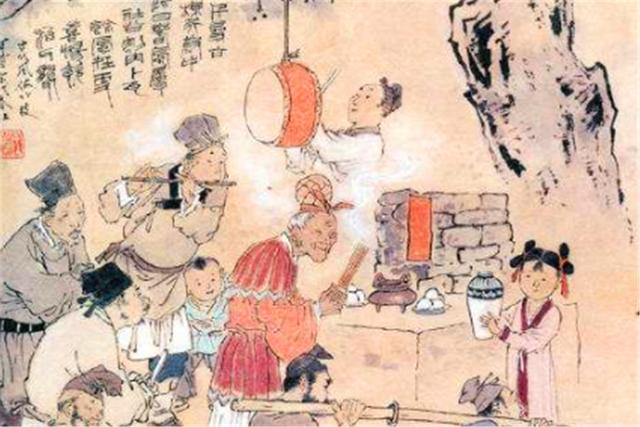
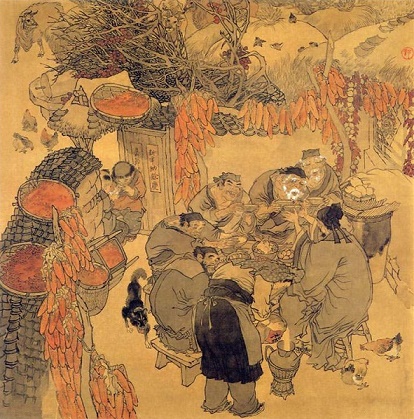
Local people treated this as a party style, they will drink, play games, watched Chinese opera, eat banquet meals together. We can see from lots of drawing masterpieces from ancient times showing scenes from Chun she.
春社是源自中國的傳統民俗節日,是祭祀社稷土地神的日子,春社的時間一般為立春之後的第五個戊日,約在春分前後,但也有二月初二、二月初八、二月十二、二月十五之說。有些人認為社日在商、西周之原始時期,是男女幽會的狂歡節日。
花月名稱(玄柔系列)Other names of twelve months
正月:端月🌸開端之意。一年之始名「端月」🌸
二月:花月🌸古時的節慶「花朝節」月曆二月初二🌸百花爭豔🌸是以引伸「花月」的名稱🌸
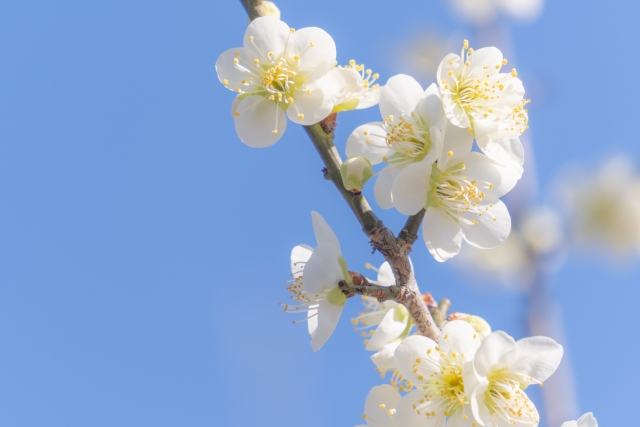
三月:梅月🌸梅樹至三月盛開吐艷🌸稱為「梅月」🌸
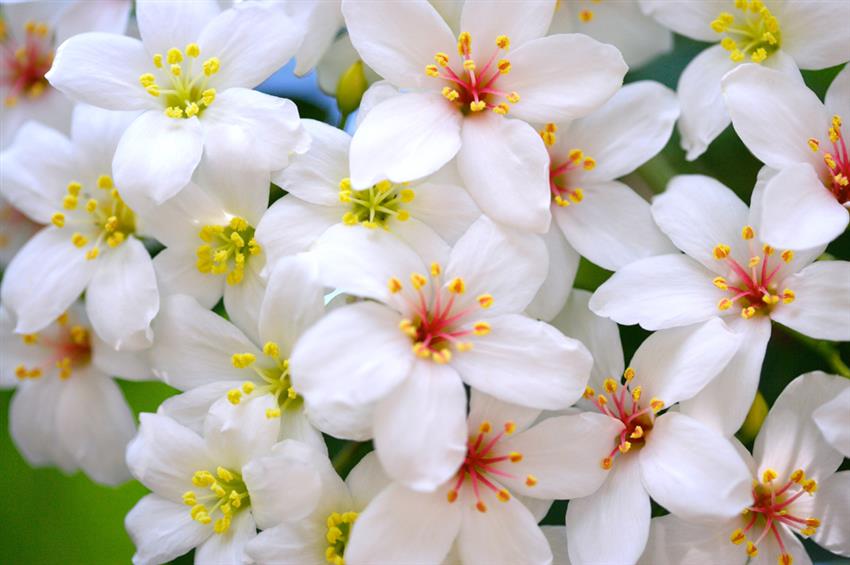
四月:桐月🌼四川省盛產桐樹四月枝頭綻放花朵🌼故名「桐月」🌼
五月:蒲月🌼端午節各家於門楣掛上菖蒲(菖蘭)避邪🌼故稱「蒲月」🌼
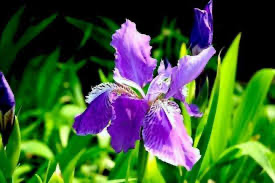
六月:伏月🌼六月的天氣炎熱🌼各種動物都蟄伏在蔭涼處避暑(三伏天最炎🌼天干庚為首)休息🌼言「伏月」🌼
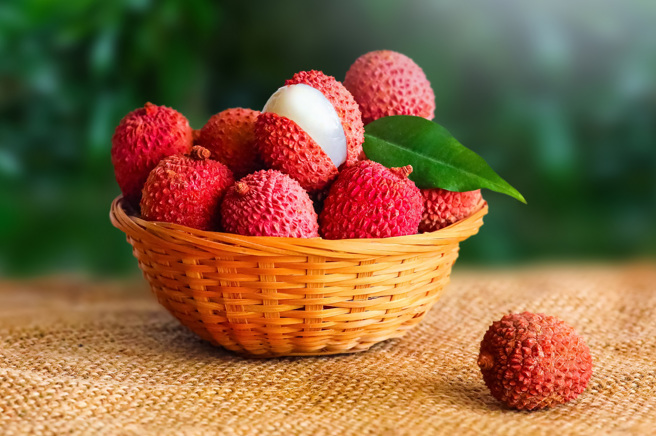
七月:荔月🍁因七月盛產荔枝🍁所以稱「荔月」🍁
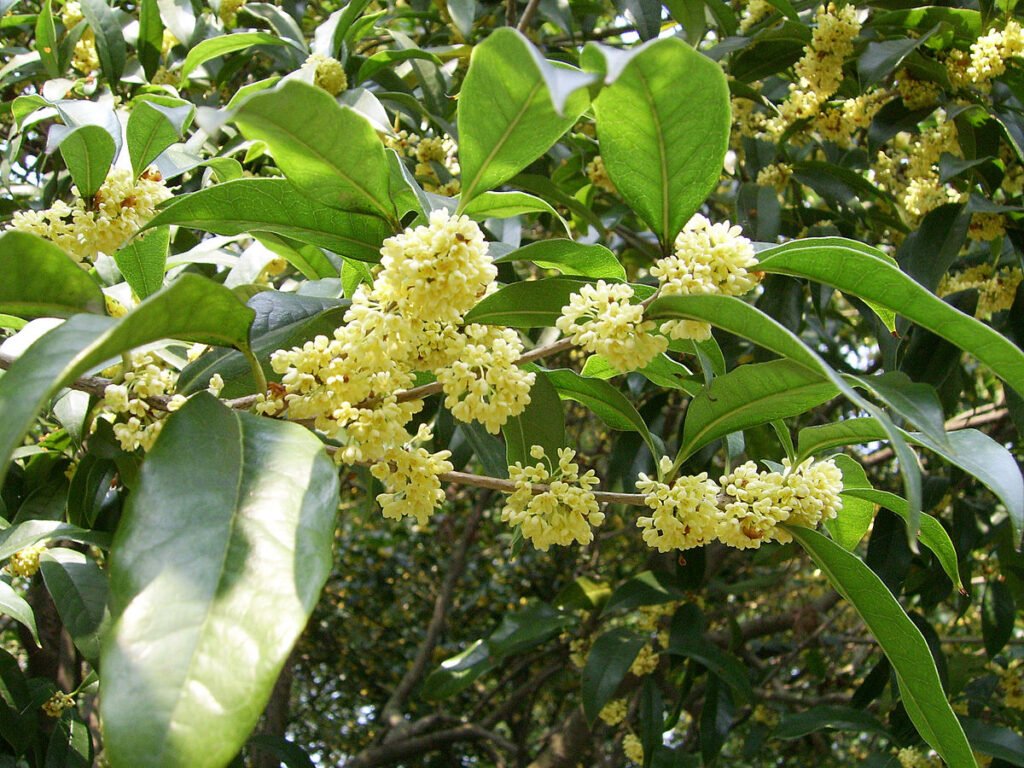
八月:桂月🍁八月桂花飄香🍁故稱「桂月」🍁
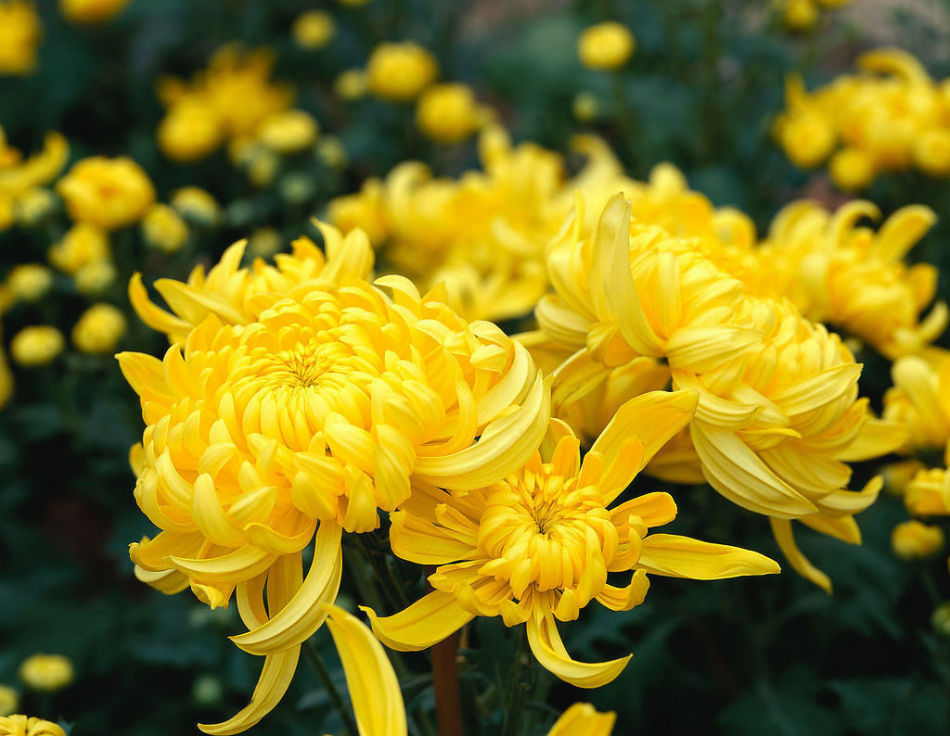
九月:菊月🍁菊花盛綻於此月🍁所以叫「菊月」🍁
十月:陽月🥀十月屬於小陽之時所以稱此時為「陽月」🥀
十一月:葭月🥀「葭」是蘆葦🥀十一月開花🥀名「葭月」🥀
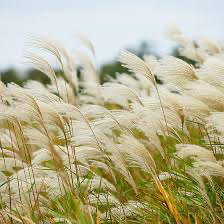
十二月:臘月。🍂「臘」是慶祝本歲與新年交接之時一種祭祀🎋在十二月舉行,所以稱作「臘月」🌸
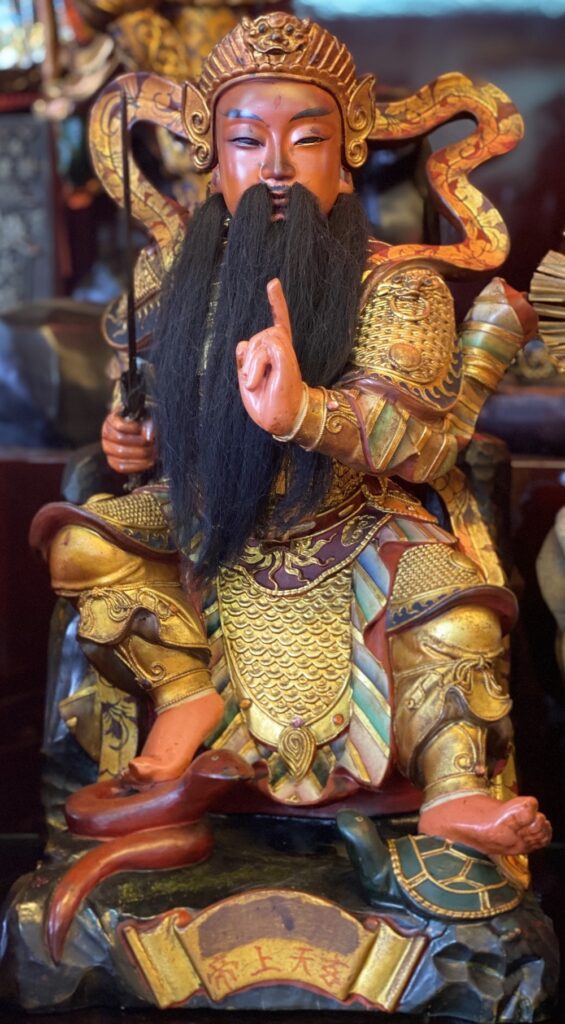
玄天上帝旦(農曆三月初三日)Birthday of the God of the northern star
中國民間自古以來就深信天上星宿之運轉和人類命運息息相關。而在眾星運轉的世界裡。唯有北極星永恆不動。因此古人就把北極星奉為「北斗星君」。
道教則認為北方是幽暗寒冷之所。則是人死後陰魂歸宿處。因此叫作「玄」。而統治北方黑陰暗領域的神。就稱 「 玄天上帝」。 「玄天上帝」乃「北極玄武星君」的化身。道教將「玄天上帝」奉祀於「北極殿」或「真武殿」。因而「玄天上帝」又稱「北極大帝」 「真武大帝」… 等。他的全稱為「北極玄天上帝」。
道教說法。「玄武」乃龜蛇合體。位於北方其色黑所以稱「玄」。「玄武」以龜蛇合體以應北宿之象。道教尊稱「上帝」為「三元都統帥 」。統帥三十六帥。是道教靈威最盛信仰最廣的神明之一
另民間說法。「玄天上帝」原為一名屠夫。 決心修道。擬將屠刀拋入河中。但又恐誤傷水中的生靈。乃舉刀切腹以淨身體。再將腸肚拋棄河中用以贖罪。那知此時空中忽降萬道金光護體。渡化他成仙。這就是俗稱「放下屠刀。立地成佛」 的典故了。
Ancient chinese society believed in astrology. They can foresee changes via observing the even tiny alteration of the stars‘ locations. They believed messages from stars are all related to daily lives of the general public. When all the stars move when our planet rotates, there is only one star that is stationary, this is the ‘Northern star’. Since this star is unique, therefore, they deified it as god.
The God of the northern stars rules the first seven flying stars of the feng shui flying stars. North in feng shui is a water element and it is the darkest and coldest. So dark that it is the ultimate heaven for passed away souls.
In taoist belief, there is a divine beast of a mixture of snake and turtle shape. It is black and lives in the north. It is also the image of the ’God of the northern star‘ on earth.
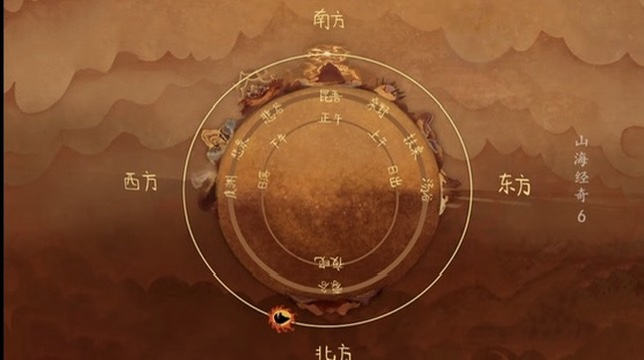
中國古代日出。日入稱謂 Name of sunrise and sunset in the ancient Chinese society and mythology
湯谷:晹谷。古代傳說日出之處。
出處:山海經。海外東經曰:"下有湯谷。湯谷上有扶桑,十日所浴,有黑齒北。有谷,曰溫湯谷有扶木,一日方至,一日方出,皆載於鳥。
虞淵:傳說為日沒處。
古人傳說,太陽早晨從東方晹谷出發,晚上落入西方的禺谷。
出處:淮南子。天文訓,日至于虞淵,是謂黃昏。
悲谷:哺時 (午後三時至五時),傍晚
出處:淮南子。天文訓:(日)至于悲谷,是謂哺時。
昆吾: 正午時太陽所在的地方。
出處:淮南子。天文訓:「至中昆吾是謂正中。」
蒙谷: 古代傳說日落之處。
出處: 淮南子。天文訓:「至于虞淵是謂黃昏。至于蒙谷,是謂定昏。」
中元節陰曆七月十五日 Hungry Ghost Festival
根據古時暦書記載:
中元地官 (傳說「地官赦罪」,農曆七月十五日是地官的誕辰,民間稱這一天為中元節,在這一天有祭祖並祈求地官赦免祖先之罪的習俗,亦是祭祀一切亡靈的日子。)勾搜眾人,分別善惡,以其日作玄都,大獻於玉京山,以世間奇異好妙,幢幡寶蓋供養之具。 精膳飲食,獻諸眾聖。
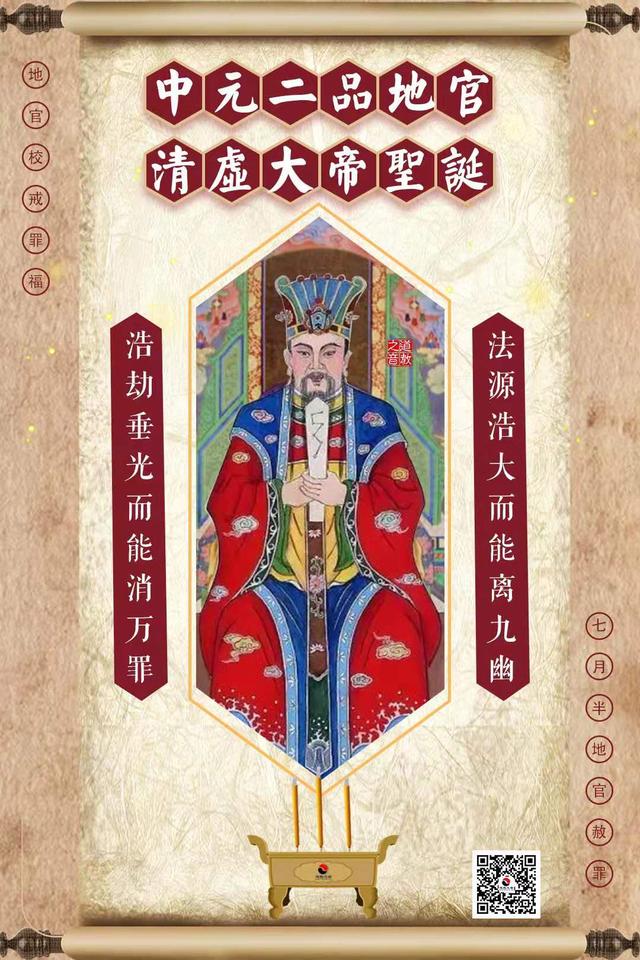
According to Chinese Almanac from ancient times, it recorded the story and belief of hungry ghost festival in the old times. As time passed, these traditions has been changed due to changes in the society. We can only know the true picture of hungry ghost festival from reading these old books.
People believed The God of the Land 地官 (There are three Gods in this aspects, they are God of the Heaven, Land and Water. God of the Land is responsible for checking good deeds and evil acts that people had done and deciding whether that person is getting awards or punishments).
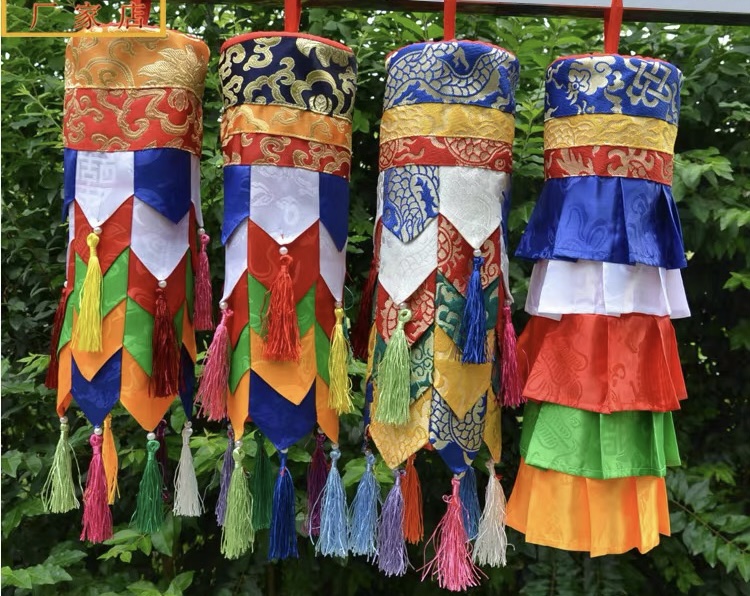
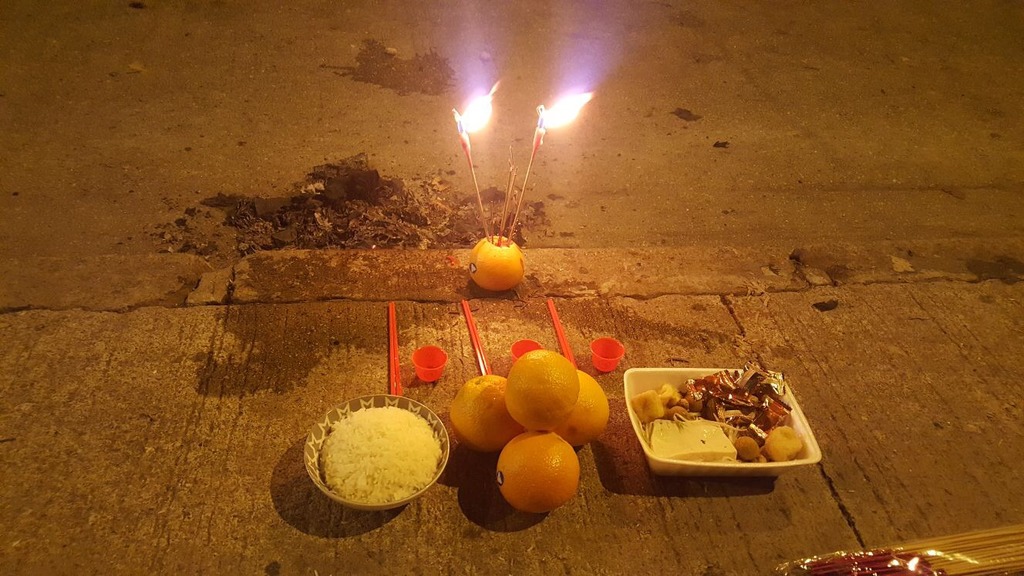
In order for people to praise the God of Land, they will prepare religious decorations like picture below. Prayers are being embroidery on special fabric and make into cylinder shape to worship the God of Land. People also have to prepare food and drinks to feed those hungry ghosts for good deeds.